
Bear Viewing Safety & Etiquette Guide
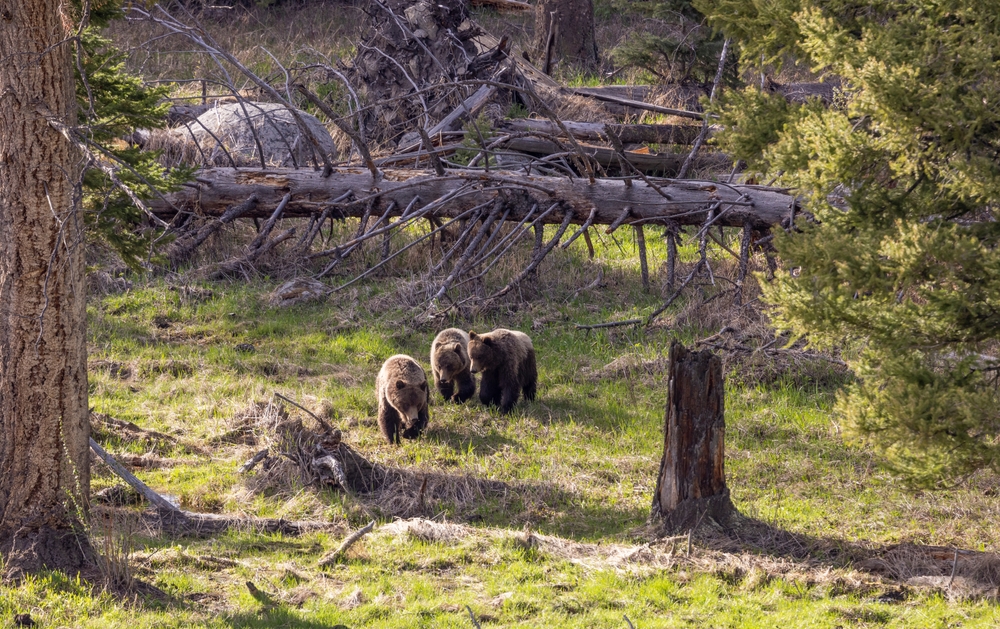
Alaska offers some of the most thrilling opportunities for observing wild bears in their natural habitat. Its remote wilderness areas and pristine landscapes are home to a healthy population of brown bears, often referred to as grizzlies in other regions. Whether you are a first-time visitor or a seasoned adventurer, understanding bear behavior is essential for safe and respectful wildlife experiences.
Bears are intelligent, curious, and often misunderstood animals. They are not naturally aggressive toward humans, but their behavior can be unpredictable, especially if they feel threatened, startled, or are protecting their young. Observing their body language is key to recognizing signs of agitation. For instance, head swaying, huffing, jaw popping, or bluff charging can indicate discomfort or an attempt to establish boundaries.
When you’re in bear country, you are entering their domain. It is vital to approach every encounter with respect and caution. Bears are often focused on feeding during the summer and fall months, primarily on salmon, berries, or sedge grass. Disrupting their natural routines can have consequences, not only for your safety but also for the bears’ long-term survival. Human interference can lead to stress behaviors and even condition bears to associate people with food, which often leads to dangerous outcomes and, in some cases, relocation or euthanasia of the animal.
The Importance of Safe Distances
One of the fundamental rules of bear viewing safety is maintaining proper distance at all times. In Alaska, wildlife regulations require a minimum of 50 yards between people and bears. However, many seasoned naturalists recommend staying at least 100 yards away whenever possible, especially when cubs are present.
Distance protects both humans and bears. Getting too close can trigger defensive behaviors or provoke a bear that might feel cornered. It’s important to use binoculars or long lenses for photography, allowing for a closer view without intruding on their space. If a bear approaches you, the best practice is to remain calm, avoid sudden movements, and slowly back away without turning your back.
In fly out bear viewing excursions, where small planes land in remote coastal areas or along rivers teeming with salmon, guides are trained to ensure guests maintain safe distances. They understand the seasonal patterns and daily movements of bear populations and can help position groups in ways that avoid crowding or interrupting bear activity. Visitors should always follow their lead and respect the buffer zones established for both safety and bear well-being.
Practicing Proper Bear Etiquette
Bear etiquette is a set of unwritten rules designed to minimize disturbance to the animals while maximizing safety for humans. Following these practices ensures that bears continue their natural behavior without being habituated to people. It also promotes a deeper, more meaningful connection between humans and Alaska’s incredible wildlife.
Keeping noise to a minimum is a key aspect of good bear etiquette. While in some cases it is helpful to make your presence known (especially when hiking in dense brush), loud voices or sudden outbursts can be disruptive. Observers should remain quiet, avoid direct eye contact, and never attempt to attract a bear’s attention.
It is also essential to stay in designated observation areas and trails. Straying from these paths not only increases your risk but can also stress bears and affect their feeding or mating behavior. If you’re part of a group, staying together in a compact, non-threatening formation helps prevent bears from feeling surrounded or intimidated.
Never feed bears or leave food scraps behind. Alaska wildlife rules strictly prohibit feeding wildlife, as it leads to habituation and aggressive behavior. Carry all trash out with you and use bear-resistant containers when storing food in the backcountry. Even biodegradable food waste can pose a problem, as it can alter bear behavior over time.
Fly Out Bear Viewing: What to Expect
Fly out bear viewing has become one of the most popular wildlife experiences in Alaska. It combines the thrill of a scenic flight with the unmatched opportunity to observe bears fishing, playing, and interacting in some of the state’s most remote and beautiful areas. Locations like Katmai National Park and Lake Clark National Park are accessible only by plane and are prime spots for brown bear interaction.
These tours typically involve a small group flying in a bush plane to a coastal or riverine location. Once there, participants spend several hours with a guide, carefully observing and photographing bears in their natural environment. Because these areas often have high bear densities and minimal human infrastructure, the viewing can be remarkably intimate and authentic.
Guides play a critical role in ensuring safety and enforcing proper bear etiquette. They assess the bear’s mood, environmental factors, and group dynamics to position visitors in a way that minimizes disturbance. It’s important to remain patient and flexible during these outings, as bears move at their own pace. Respecting their space and rhythm often leads to more rewarding and peaceful encounters.
Fly out experiences also highlight the importance of Leave No Trace principles. Visitors must leave the area exactly as they found it, ensuring future groups can enjoy the same pristine conditions. This approach preserves not only the landscape but also the integrity of the bear’s habitat and behavior.
Respecting Alaska’s Wildlife Rules
Alaska’s wildlife management rules are designed to protect both people and animals. These regulations are grounded in decades of scientific research and field observations. They ensure that wildlife tourism, including bear viewing, can continue without endangering ecosystems or altering natural behavior patterns.
Key rules include observing safe distances, not feeding wildlife, disposing of waste properly, and staying on marked trails. Some areas may require permits or have specific seasonal restrictions based on bear activity. Visitors should familiarize themselves with local guidelines before entering bear territory, especially in national parks or wildlife refuges.
Additionally, respecting seasonal closures and following the advice of rangers and guides can help reduce stress on bear populations during sensitive times such as mating or denning seasons. Understanding that these rules are not arbitrary, but essential components of conservation, fosters a deeper appreciation for Alaska’s wild spaces and the majestic creatures that inhabit them.
Education plays a major role in encouraging responsible wildlife encounters. Organizations and tour operators across Alaska invest in training guides and educating tourists on best practices. Visitors are encouraged to ask questions, stay informed, and act as ambassadors for ethical wildlife tourism when they return home.
Conclusion
Bear viewing in Alaska is a powerful and awe-inspiring experience that offers a rare window into the lives of one of nature’s most impressive predators. But with this privilege comes responsibility. Understanding bear behavior, maintaining safe distances, and practicing proper bear etiquette are not just suggestions, they are essential actions for ensuring a safe and respectful encounter.
Fly out bear viewing adventures provide unforgettable memories, but they must be undertaken with care and guided by the principles of conservation and awareness. Alaska’s wildlife rules are there to protect the very experiences we seek: wild, unspoiled, and untamed moments that remind us of nature’s majesty.
By embracing these values and making conscious choices in the field, every visitor can help protect Alaska’s bears and their habitats for generations to come. Responsible bear viewing is not just about safety, it is about honoring the profound connection between people and the wild.