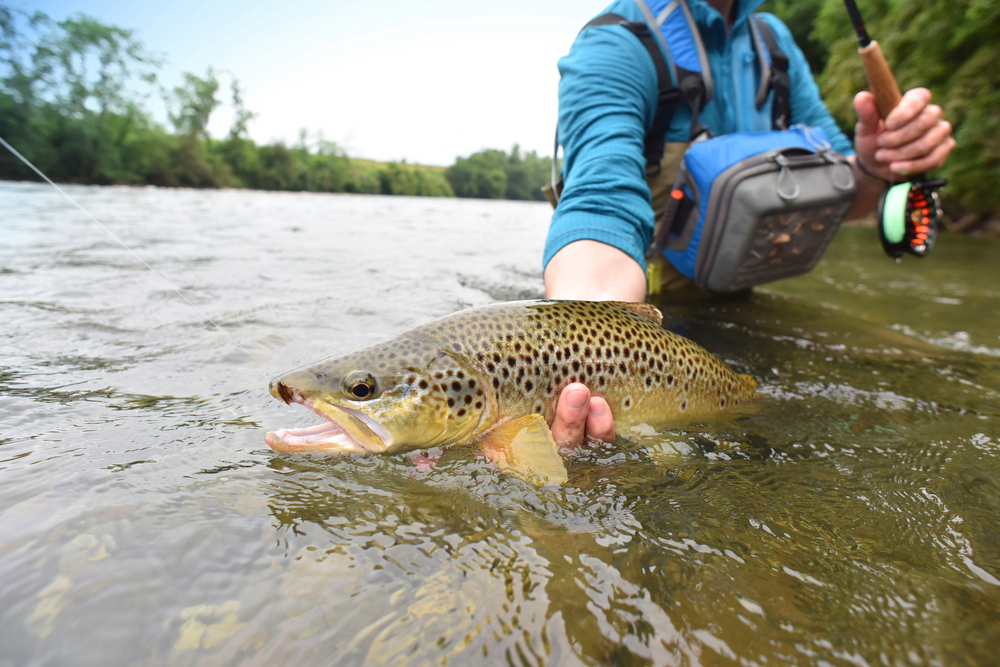
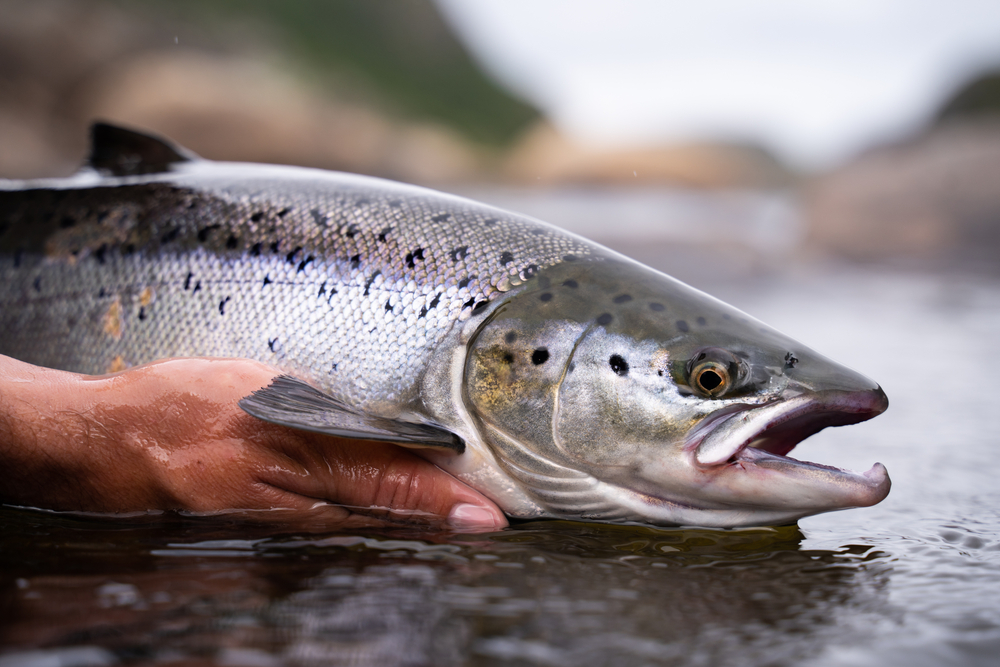
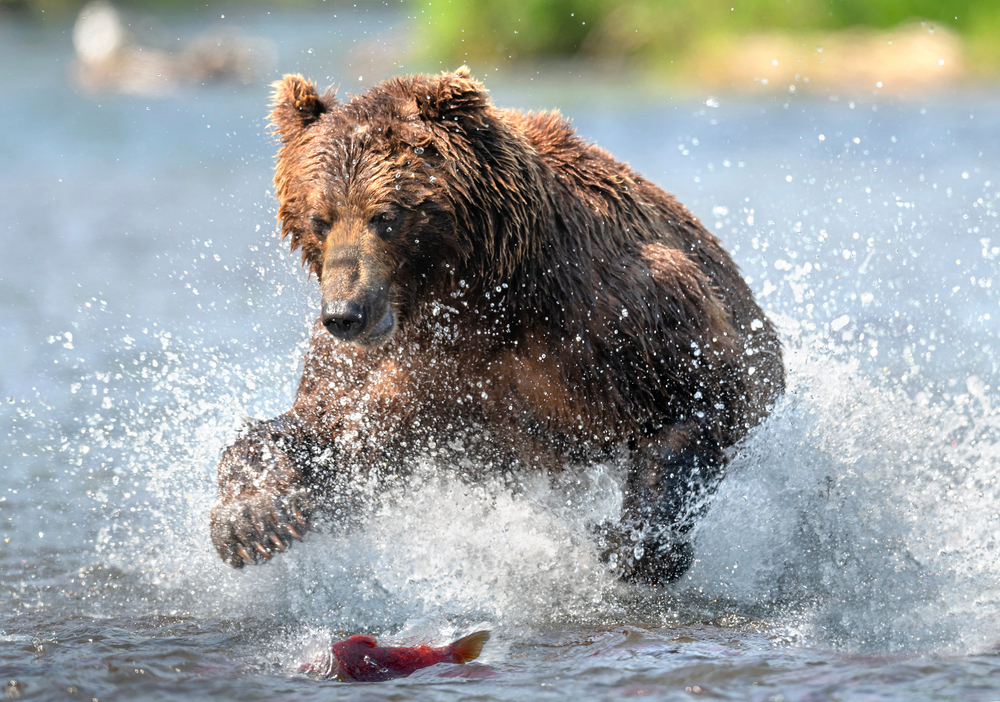
Alaska’s trout and char fisheries are shaped by cold water, seasonal runoff, salmon activity, and the conditions of each individual river system. Around Kenai and across Southcentral Alaska, knowing what the water is doing can be just as important as choosing a fly or lure.
The most productive conditions for trout and char are generally cold, adequately oxygenated water with enough clarity for fish to locate food. But Alaska anglers also need to account for snowmelt, glacier-fed water, rainfall, changing river levels, and seasonal salmon runs. Rather than looking for one “perfect” temperature or river level, pay attention to how conditions are changing and how fish respond.
What local anglers should know
Rising or falling water can change where trout and char hold, feed, and find relief from current.
Glacier-fed rivers and clear-water tributaries around the Kenai Peninsula can behave very differently even on the same day.
Rainfall and snowmelt can quickly affect water level, clarity, current speed, and accessibility.
Salmon runs can reshape trout and char feeding opportunities as eggs and other food sources become available.
Conditions observed at one access point should not automatically be assumed to represent an entire watershed.
Why Do Water Conditions Matter for Trout and Char in Alaska?
Water conditions matter for trout and char in Alaska because temperature, clarity, flow, and available food influence where these fish hold and how actively they feed. Around Kenai, anglers may encounter everything from relatively clear tributaries to larger systems affected by runoff, rainfall, and glacial influence.
Trout and char are cold-water fish, but temperature is only part of the picture. Current strength affects how much energy a fish must spend holding in a particular location. Visibility affects feeding opportunities. River level can open new holding water or make previously productive areas less appealing.
Southcentral Alaska also experiences pronounced seasonal changes. Conditions around the Kenai River, Kasilof River, Cook Inlet drainage, and smaller Kenai Peninsula waters can shift substantially as spring runoff gives way to summer fishing and eventually colder fall conditions.
Alaska West Air Inc serves anglers traveling into Alaska fisheries where access and local conditions can play a major role in trip planning. From here forward, we focus on helping readers understand the factors worth watching rather than promising that any particular set of conditions will produce fish.
What Local Water Conditions Should Anglers Monitor?
Local anglers should monitor water temperature, river level, flow trend, clarity, recent precipitation, and seasonal fish activity before deciding how and where to fish. No single measurement tells the entire story, particularly across the varied waters of the Kenai Peninsula and greater Southcentral Alaska.
Public river gauges and weather information can help establish whether water is rising, falling, warming, or cooling. The National Weather Service and U.S. Geological Survey are useful public sources for weather, streamflow, and water-condition information where monitoring stations are available.
Those readings still require context. A gauge represents a specific monitoring location, while an angler may be fishing miles away or on a tributary with different characteristics. Treat public data as part of the decision, then compare it with conditions you actually encounter.
How Do Changing Water Levels Affect Alaska Trout and Char?
Changing water levels affect Alaska trout and char by altering current speed, available holding areas, shoreline habitat, and the places where food travels through the river. A productive location under stable flow may fish very differently after substantial rain or during a rapid rise or drop.
Higher water can increase current and reduce visibility. It may also create or expand softer-current areas along banks, behind structure, and near current seams. Lower water can concentrate flow and make some holding areas shallower or more exposed.
On rivers around Kenai, anglers should pay attention to the trend rather than simply labeling the river “high” or “low.” A rapid change may require a different approach than a river that has remained at a similar level for several days.
What Are the Warning Signs of Difficult or Unsafe Water Conditions?
Warning signs include rapidly rising water, unusually poor visibility, strong current, floating debris, unexpected changes in access, and conditions that exceed an angler’s experience or equipment. Catching fish should always remain secondary to evaluating whether a river can be approached and fished safely.
Watch for:
Water rising noticeably during your time on the river.
Increased debris moving downstream.
Current that makes previously accessible areas difficult to approach.
Sudden reductions in visibility following rain or runoff.
Banks, gravel bars, or crossings disappearing as water rises.
Cold conditions that increase the consequences of getting wet.
Weather changes that could affect remote access or return plans.
Alaska’s remoteness makes conservative decisions especially valuable. Conditions that might be an inconvenience close to town can become much more consequential farther from established roads and services.
When Should Anglers Rely on Local Professional Knowledge?
Anglers should rely on local professional knowledge when remote access, unfamiliar rivers, rapidly changing conditions, or trip logistics make personal observation alone insufficient. Public data is useful, but it cannot always tell you exactly what conditions will look like at a specific fishing location.
A river may be fishable in one reach and difficult in another. Tributaries can also differ sharply from nearby main-stem water. For visitors unfamiliar with the Kenai Peninsula or more remote Alaska fisheries, understanding those differences can save valuable fishing time.
Professional trip planning is especially useful when access itself is part of the fishing experience. Weather, aircraft considerations, river conditions, and the characteristics of a destination all need to be considered together.
What Common Conditions Change Trout and Char Fishing in Southcentral Alaska?
The most common conditions changing trout and char fishing in Southcentral Alaska are seasonal runoff, rain, glacial influence, salmon activity, and normal changes in river flow. Each can affect visibility, feeding behavior, access, or where fish concentrate.
Spring and early-season runoff can increase water volume as snow melts. Rain events can raise rivers during summer and fall. Glacier-influenced systems may carry suspended sediment that changes water appearance and visibility.
Salmon are another major seasonal influence. Their movement through Alaska waters changes the food available to resident fish. Trout and char can adjust their feeding locations as salmon activity develops, making seasonal timing an important part of understanding a fishery.
How Can Anglers Prepare for Changing Alaska Water Conditions?
Anglers can prepare by checking recent weather and river information, carrying equipment for variable conditions, and building flexibility into their fishing plans. Around Kenai, a fixed plan can become less useful when rainfall, runoff, wind, or river levels change unexpectedly.
Check conditions as close to departure as practical. Look at trends rather than relying only on one measurement. Prepare for cold water even when the air temperature feels comfortable, and avoid assuming that conditions experienced on a previous Alaska trip will repeat.
For remote trips, flexibility becomes even more important. A destination should be evaluated based on current circumstances rather than expectations created weeks or months earlier.
What Results Can Anglers Expect From Reading the Water?
Reading the water can help anglers make better decisions about where to concentrate their effort, but it cannot guarantee fishing success. Trout and char behavior reflects a combination of water conditions, seasonal food sources, fish movement, weather, and the characteristics of the individual river.
An angler who recognizes current seams, softer holding water, changes in depth, and differences in clarity has more information to work with. That knowledge becomes particularly useful when conditions change during a trip.
The goal is adaptability. Alaska fishing rewards anglers who observe first and adjust rather than forcing one technique or location to work.
What Mistakes Do Anglers Make When Judging Alaska Water Conditions?
Common mistakes include relying on outdated reports, focusing on a single measurement, assuming nearby rivers have identical conditions, and prioritizing fishing plans over safety. Alaska’s large watersheds and rapidly changing weather make current, location-specific observations especially valuable.
Mistake: Using a river report from several days ago as if nothing has changed. Consequence: Rainfall or runoff may have substantially altered the water. Better approach: Check recent information and evaluate conditions again upon arrival.
Mistake: Assuming clear water is always better. Consequence: Anglers may overlook productive water simply because visibility is different from what they expected. Better approach: Consider clarity alongside flow, food, structure, and fish behavior.
Mistake: Treating every Kenai Peninsula fishery the same. Consequence: Techniques and expectations may not fit the water being fished. Better approach: Evaluate the specific river, tributary, or lake and its current conditions.
What Is a Common Kenai-Area Fishing Scenario?
A common Kenai-area scenario is arriving after recent weather has changed a river from the conditions an angler expected when the trip was planned. The water may be higher, lower, less clear, or moving differently, requiring the angler to reassess both fishing locations and techniques.
This is not a case study or a description of a specific Alaska West Air Inc trip. It is simply a realistic example of why flexible planning matters in Southcentral Alaska.
Instead of immediately assuming the fishing will be poor, evaluate what changed. Look for different current speeds, protected holding areas, clearer tributary influence, or other features that may help fish feed efficiently.
How Can Remote Fishing Access Expand Your Options?
Remote fishing access can expand an angler’s options by making fisheries beyond ordinary road access available, subject to weather, logistics, destination conditions, and appropriate trip planning. For anglers based around Kenai, that can create opportunities to experience a broader range of Alaska waters.
We encourage anglers to think about the complete fishing environment rather than focusing only on a destination name. Current water conditions, seasonal timing, access requirements, and weather can all influence the experience.
How Should Anglers Compare Road-Accessible and Remote Fishing Options?
Anglers should compare road-accessible and remote fishing based on access, flexibility, current conditions, logistics, and the type of experience they want. Neither option is automatically better, and conditions around the Kenai Peninsula can make one choice more practical on a particular trip.
Road-accessible fishing may make it easier to change locations during the day. Remote fishing can provide access to waters that cannot be conveniently reached by road, but it requires additional planning and greater attention to weather and logistics.
The better option is the one suited to current conditions, the angler’s experience, and the objectives of the trip.
What Areas Are Relevant to Anglers Based in Kenai?
Anglers based in Kenai are positioned near a diverse Southcentral Alaska fishing region that includes the Kenai Peninsula, Cook Inlet drainage, the Kenai River, the Kasilof River, and waters associated with nearby communities such as Soldotna and Sterling. Specific fishing access and trip availability depend on the destination and current circumstances.
The broader region contains very different types of water, which is exactly why anglers should avoid treating one local conditions report as universal.
What Can It Cost to Ignore Changing Water Conditions?
Ignoring changing water conditions can cost anglers fishing time, create unnecessary logistical problems, and increase exposure to avoidable safety risks. In remote Alaska, arriving with an inflexible plan can be particularly frustrating when weather or water has changed since the trip was organized.
Checking current information does not eliminate uncertainty. It simply gives anglers a stronger basis for making decisions before and during their trip.
FAQ About Water Conditions for Trout and Char in Alaska
What water conditions are best for trout and char around Kenai?
Cold, sufficiently oxygenated water with suitable feeding opportunities and manageable flows generally provides favorable habitat for trout and char around Kenai. Anglers should avoid reducing “good conditions” to one temperature or river level. Seasonal food availability, clarity, current, recent weather, and the characteristics of the specific fishery all matter.
Does rain ruin trout fishing on the Kenai Peninsula?
No, rain does not automatically ruin trout fishing on the Kenai Peninsula. Its impact depends on how much rain falls, how a watershed responds, and whether river level, current, or clarity changes significantly. Checking recent weather and streamflow trends provides more useful information than assuming any rainy period means poor fishing.
Why does river clarity change in Southcentral Alaska?
River clarity can change because of precipitation, runoff, tributary inputs, glacial influence, and changing flows. Southcentral Alaska includes both clear-water and glacier-influenced systems, so anglers should understand the characteristics of the specific water they intend to fish rather than expecting every river near Kenai to look alike.
Do salmon runs affect trout and char fishing in Alaska?
Yes, salmon runs can significantly affect trout and char feeding opportunities in Alaska. As salmon move into freshwater and progress through their seasonal cycles, they influence food availability for resident fish. The exact effect varies by river, salmon species, timing, and local conditions, so anglers should match expectations to the particular fishery.
How quickly can water conditions change near Kenai?
Water conditions near Kenai can change over relatively short periods when rainfall, runoff, or other weather-related factors affect a watershed. The speed and magnitude of change vary between rivers. That is why anglers should check recent information close to their fishing date and continue observing the water after arriving.
Are conditions on the Kenai River the same as nearby tributaries?
No, conditions on the Kenai River should not be assumed to match nearby tributaries. Differences in watershed size, water source, precipitation, flow, and other factors can produce noticeably different conditions. A tributary may have different clarity, temperature, or current characteristics even though it connects to the same broader river system.
Should I check river gauges before an Alaska fishing trip?
Yes, available river gauges can provide useful information about recent water levels and flow trends before an Alaska fishing trip. U.S. Geological Survey data can help anglers see whether monitored water is rising, falling, or remaining relatively stable, but gauge information should still be combined with weather reports and local observations.
Is remote trout fishing more affected by changing conditions?
Remote trout fishing is not necessarily more affected biologically, but changing conditions can have greater logistical consequences in remote areas. Weather, water, access, and transportation need to work together. Anglers traveling beyond the road system should therefore approach plans with flexibility and obtain current information relevant to their destination.
Water conditions are one of the most useful pieces of the Alaska fishing puzzle. For anglers around Kenai, paying attention to flow, clarity, weather, seasonal food sources, and changes over time can lead to better decisions both on and off the water.
Plan Your Alaska Fishing Access Around the Conditions
We help anglers explore Alaska fishing opportunities while recognizing that weather, water, and remote access conditions can change. Build flexibility into the trip, check current information, and choose an experience suited to the conditions you encounter.
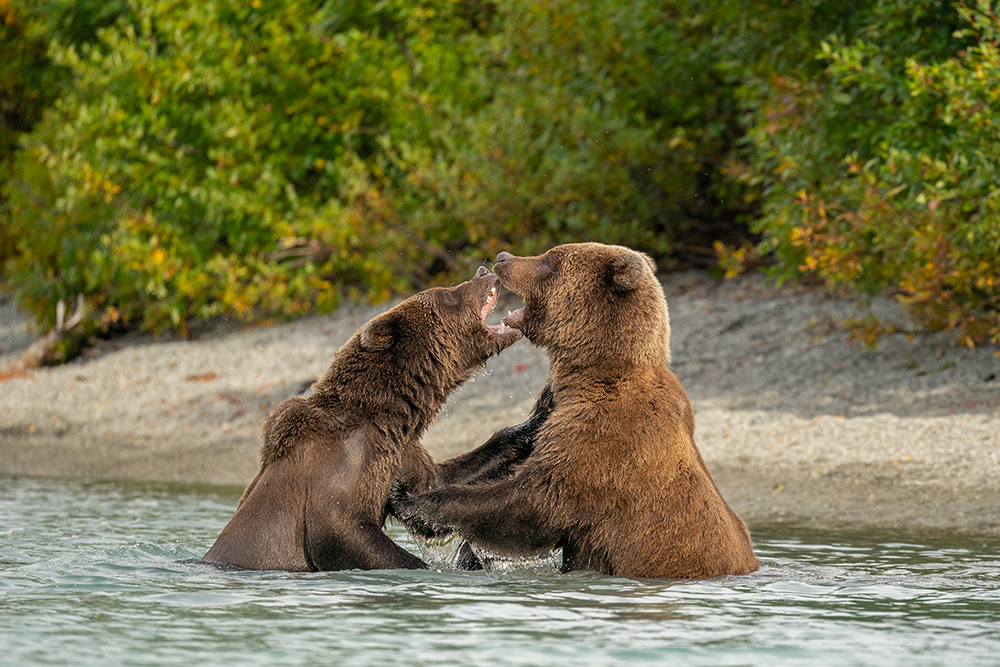
Seeing several brown bears feeding along the same river or coastal flat can seem unusual almost anywhere else. Around Southcentral and Southwest Alaska, however, exceptionally productive salmon streams, rich coastal habitat, and vast stretches of wilderness can support concentrations of bears that few other places can match.
For travelers starting in Kenai, understanding why these bears gather also explains why destinations across Cook Inlet have become some of Alaska’s best-known wildlife viewing areas.
Quick answer: Alaska has high brown bear density because large areas provide abundant food, productive salmon runs, varied coastal vegetation, and extensive habitat with relatively little development. Alaska Department of Fish and Game reports that resource-rich areas such as the Alaska Peninsula, Kodiak, and Admiralty Island can support densities as high as roughly one brown bear per square mile.
What local readers and visitors should know
Salmon are one of the biggest reasons coastal Alaska can support large, healthy brown bears.
Coastal sedge flats, berries, roots, and other plants provide additional seasonal food before and after salmon runs.
Areas across Cook Inlet from Kenai connect travelers with some of the state’s most productive brown bear habitat.
Brown bears and grizzly bears are the same species, although the term “brown bear” is commonly used for large coastal populations.
Bear concentrations change through the season as different foods become available.
Why Brown Bear Density Is So High in Coastal Alaska
Coastal Alaska supports high brown bear density primarily because bears can find large quantities of nutritious food within productive ecosystems. Salmon-filled streams are especially important, but bears also use wetlands, tidal flats, berry-producing areas, river bottoms, and other habitats throughout the year.
Alaska Department of Fish and Game explains that coastal brown bears generally have access to more abundant food and a milder climate than many bears living farther inland. Those conditions can support both larger individual bears and greater numbers of bears in the same general landscape.
This distinction matters around the Kenai Peninsula. The region sits near Cook Inlet and within flying range of remote coastal country where rivers, lakes, mountains, and tidal habitats create productive feeding areas.
At Alaska West Air Inc, we provide fly-out bear viewing and flightseeing experiences from the Kenai area, giving visitors access to remote Alaska landscapes where wildlife can be observed in natural habitat.
Salmon Are a Major Driver of Brown Bear Concentrations
Salmon runs allow many brown bears to concentrate near the same waterways because they deliver an unusually rich seasonal food supply. During summer and early fall, bears may shift their movements toward rivers, creeks, and lake systems where spawning salmon become available.
The National Park Service identifies salmon as a major reason brown bears gather in places such as Katmai National Park and Preserve. Bears spend much of their active season searching for food, so locations offering dependable, concentrated calories naturally draw more animals.
For visitors departing Kenai, this is why bear viewing is closely connected to season and destination. Bears are not evenly distributed across Alaska. They move according to changing food availability.
Coastal Habitat Provides More Than Fish
Alaska’s productive coast supports bears with sedges, berries, roots, shellfish, and other foods in addition to salmon. That dietary variety helps explain why areas along the Alaska Peninsula and the coast of Katmai can support so many animals.
National Park Service observations from Katmai show brown bears using coastal sedge flats in early summer and moving toward salmon streams as fish become available. Some coastal bears also forage on tidal flats.
That variety matters because a bear does not depend on one food source every day of the season. A landscape containing multiple productive habitats can give bears feeding opportunities from spring through fall.
Why Katmai and the Alaska Peninsula Stand Out
Katmai and the Alaska Peninsula stand out because their coastal ecosystems combine plentiful food with large areas of relatively undeveloped habitat. The National Park Service describes portions of the Katmai coastline as supporting some of the highest documented brown bear densities in North America.
Katmai National Park and Preserve estimates roughly 2,200 brown bears within its approximately 4.2 million acres. Those animals are not spread evenly throughout the park. Food-rich rivers, lakeshores, coastal flats, and salmon streams can produce much greater local concentrations than less productive terrain.
From Kenai, remote destinations across Cook Inlet can therefore offer a dramatically different wildlife experience from what travelers see along developed roads and communities.
How Brown Bear Activity Changes Through the Season
Brown bear concentrations change throughout the year because bears follow the most useful food source available at the time. Spring vegetation, summer salmon, berries, roots, and fall feeding opportunities can all influence where animals spend their time.
In spring, recently emerged bears often seek early vegetation in lower-elevation areas. As summer develops, bears may use river bottoms, herbaceous areas, berry habitat, and salmon waterways. During fall, salmon streams and riparian areas can continue to attract feeding bears before denning season.
For visitors planning wildlife trips from Kenai, this seasonal movement is one reason there is no single bear-viewing location that behaves exactly the same throughout the year.
What High Bear Density Means for Wildlife Viewing
High brown bear density can create excellent viewing opportunities, but it never means a wildlife sighting is guaranteed. Bears remain wild animals that choose where and when to move according to food, weather, competition, and other natural conditions.
The advantage of traveling into productive bear habitat is not that bears appear on command. Instead, visitors are entering landscapes that naturally attract bears because the habitat provides what they need.
Our fly-out bear viewing trips are designed around access to remote wildlife areas, including locations across Cook Inlet. Depending on the trip and seasonal conditions, visitors may observe bears feeding, traveling, or interacting within their natural environment.
Common Signs You Are in Productive Brown Bear Habitat
Productive brown bear habitat usually combines food, water, cover, and enough space for animals to move naturally. Around Southcentral and Southwest Alaska, several landscape features can indicate areas where bear activity may be more likely.
Active salmon streams can attract feeding bears during fish runs.
Coastal sedge flats provide important vegetation during portions of the season.
River corridors give bears access to food and travel routes.
Berry-producing slopes and openings become valuable as berries ripen.
Tidal flats can provide additional coastal feeding opportunities.
Remote shorelines and undeveloped watersheds often provide greater habitat continuity.
Trails, tracks, disturbed vegetation, or other bear sign can indicate recent activity, although visitors should never approach wildlife to investigate.
Why Professional Bear Viewing Makes Sense
Professional bear viewing helps visitors reach remote habitat while benefiting from local knowledge of aircraft operations, destinations, and seasonal conditions. Much of Alaska’s strongest brown bear habitat is far beyond the road system, making access an important part of planning the experience.
Visitors should never treat high-density bear habitat like a zoo or controlled attraction. National Park Service guidance emphasizes giving bears room to feed, travel, sleep, and behave naturally.
From our base near Kenai, air access makes it possible to reach areas that would otherwise require substantially more travel or may not be road-accessible at all.
Common Bear Viewing Mistakes
The most common bear viewing mistakes involve assuming wildlife will behave predictably or focusing so heavily on photographs that visitors lose awareness of their surroundings.
Mistake: Expecting guaranteed sightings. Wild animals move freely, so even excellent habitat cannot produce guaranteed encounters. A better approach is to view the entire flight and landscape as part of the experience.
Mistake: Assuming all parts of Alaska have the same bear density. Bear density varies dramatically with habitat quality. Food-rich coastal areas can support many more bears than less productive country.
Mistake: Planning without considering season. A productive viewing location in one month may look very different later. Salmon runs and other food sources influence bear movement.
Mistake: Getting too focused on the perfect photograph. Wildlife needs space. Visitors should follow guide instructions and allow bears to move and feed without interference.
A Common Local Bear Viewing Scenario
A common Kenai bear viewing trip starts with a flight across or around Cook Inlet toward remote habitat where road access is limited or nonexistent. From the air, travelers begin to see just how much the landscape changes beyond the developed portions of the peninsula.
Instead of neighborhoods and highways, the view may include large waterways, mountains, wetlands, shoreline habitat, and extensive wilderness. Once in productive bear country, the reason for Alaska’s high bear density becomes easier to understand. There is simply an extraordinary amount of habitat and seasonal food available.
Actual wildlife activity varies from trip to trip because these are wild animals in an uncontrolled environment.
Bear Viewing and Flightseeing Options From Kenai
Bear viewing and flightseeing offer different ways to experience Alaska’s wildlife landscapes from Kenai. Bear viewing focuses more directly on reaching productive wildlife habitat, while flightseeing emphasizes the larger landscape, including mountains, glaciers, volcanoes, waterways, and possible wildlife sightings from the air.
We offer fly-out bear viewing trips as well as flightseeing and custom charter options. The right choice depends on whether your priority is spending time around bear habitat or seeing a broader range of Alaska scenery.
Bear viewing is the better fit when brown bears are the main reason for your trip, while general flightseeing is better for travelers who want a broader scenic overview. Both can reveal how enormous and lightly developed the country surrounding the peninsula really is.
A dedicated bear trip focuses on destinations selected for wildlife viewing potential. A scenic flight may include glaciers, mountains, Cook Inlet, volcanoes, and opportunities to spot wildlife along the way. Neither experience should be treated as guaranteeing a particular wildlife sighting.
Service Areas and Destinations
Our base in Kenai provides access to the Kenai Peninsula, Cook Inlet, and remote destinations throughout Southcentral and Southwest Alaska. Bear viewing destinations may include areas across the inlet where rich coastal habitat and salmon systems attract brown bears.
Trip destinations depend on the experience selected, seasonal conditions, weather, and operational considerations.
What You Miss by Viewing Bears Only From the Road System
Limiting an Alaska wildlife trip to the road system can mean missing some of the state’s most productive remote habitat. The greatest concentrations of coastal brown bears are often associated with waterways and wilderness landscapes that are difficult or impossible to reach by ordinary vehicle.
Flying also provides perspective. From above, visitors can see the relationship between mountains, rivers, wetlands, shorelines, and undeveloped land that makes this region so productive for wildlife.
Why does Alaska have such a high density of brown bears?
Alaska has high brown bear density because many regions combine abundant food with extensive habitat. Productive salmon runs are especially valuable along the coast, while sedges, berries, roots, and other foods support bears at different times of year. Areas with the richest resources can sustain far greater densities than less productive regions.
Are brown bears common around Kenai?
Brown bears occur on the Kenai Peninsula, but their distribution is not uniform. Habitat, food sources, human development, and seasonal movement all influence where bears are found. Travelers interested in concentrated viewing often fly from the peninsula toward remote coastal habitats across Cook Inlet where productive feeding areas attract bears.
Are Alaska brown bears and grizzly bears different species?
No. Brown bears and grizzly bears are the same species, Ursus arctos. In Alaska, the term brown bear is commonly associated with coastal animals that have access to rich food sources such as salmon, while grizzly is often used for bears living in interior or northern environments.
Where are some of Alaska’s highest brown bear densities?
Some of Alaska’s highest brown bear densities occur in highly productive coastal areas. Alaska Department of Fish and Game identifies the Alaska Peninsula, Kodiak, and Admiralty Island among places capable of supporting exceptionally high densities, while the National Park Service notes particularly high documented densities along portions of Katmai’s coast.
Why do salmon attract so many bears?
Salmon attract brown bears because they provide a concentrated, calorie-rich seasonal food source. When spawning fish enter rivers and streams, bears can gather where those fish are accessible. This abundance helps explain why salmon watersheds around the Alaska Peninsula and other coastal regions support such significant bear populations.
When is bear viewing available from Kenai?
Summer is a key bear-viewing period because seasonal food sources, including salmon, can concentrate bears in accessible feeding areas. Alaska West Air currently lists fly-out bear viewing trips among its experiences, with individual destinations having their own operating seasons. Weather and wildlife movement can influence any particular day’s experience.
Can I see brown bears while flightseeing near Cook Inlet?
Wildlife can sometimes be seen during flightseeing around Cook Inlet and surrounding wilderness, but sightings are never guaranteed. A general scenic flight covers broader landscapes, while a dedicated fly-out bear viewing trip is a better choice when observing brown bears is the primary goal of your Alaska visit.
Why can coastal Alaska support larger bears?
Coastal Alaska can support larger brown bears because many coastal habitats provide exceptionally rich food resources, particularly spawning salmon. Alaska Department of Fish and Game notes that abundant coastal food and comparatively mild conditions allow many coastal brown bears to grow larger and occur at higher densities than bears in less productive northern and interior habitats.
See Alaska’s Brown Bear Country From a Local Starting Point
Alaska’s extraordinary brown bear populations are the result of productive ecosystems, abundant seasonal food, and enormous stretches of habitat. Starting in Kenai puts travelers within reach of some remarkable coastal wilderness and gives them a chance to see the landscape that makes these bear populations possible.
Experience Alaska’s Wild Habitat Beyond the Road System
Explore remote bear country with a local flight experience built around Alaska’s landscapes and wildlife.
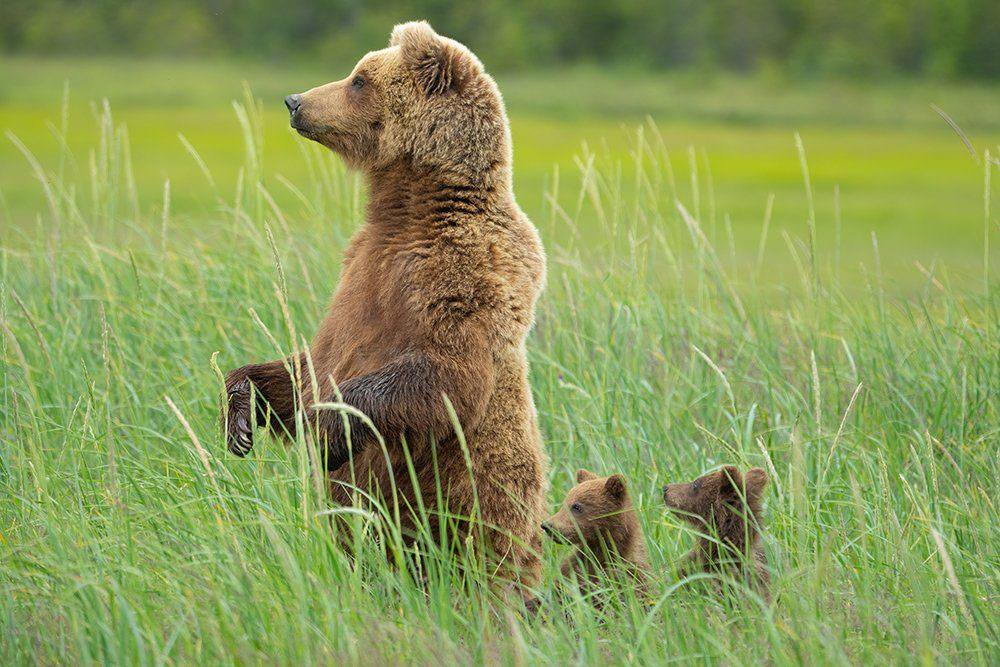
Seeing bear cubs in Alaska can be unforgettable, but it is also a situation that calls for restraint. Around Kenai and the greater Kenai Peninsula, both black and brown bears live in the region, and a cub that appears to be alone may still have its mother nearby.
The safest approach is simple: give bear cubs plenty of space, do not approach them, and never place yourself between cubs and an adult bear.
Quick answer: If you encounter bear cubs in Alaska, do not approach them for a closer look or photo, do not feed or touch them, and do not assume they have been abandoned. Alaska Department of Fish and Game advises people who find bear cubs alone to leave the area because the sow may be nearby and may aggressively defend her young.
What local visitors should know
Never move closer to a bear cub, even when you cannot see an adult bear nearby.
Around Kenai and the Kenai Peninsula, travelers should remember that both black and brown bears may be encountered in bear habitat.
Do not get between a sow and her cubs, since a mother bear may interpret your presence as a threat.
Never run from a bear during an encounter.
Give wildlife room to continue its natural behavior rather than trying to create a better viewing or photography opportunity.
Why Bear Cubs Require Extra Caution in Alaska
Bear cubs require extra caution because a mother bear may be close even when you cannot see her, and she may react defensively if she believes her cubs are threatened. Alaska Department of Fish and Game specifically warns people not to assume a young animal found alone is orphaned.
A sow may temporarily move out of sight while her cubs remain behind. Black bear cubs may also be sent up trees while their mother is elsewhere.
That makes distance especially important in Southcentral Alaska. Visitors exploring the Kenai Peninsula may encounter wildlife around forests, streams, salmon habitat, trails, and other areas where visibility can change quickly.
At Alaska West Air Inc, we want visitors to appreciate Alaska wildlife without forgetting that these animals remain wild. When we encounter wildlife country, respecting distance and following established bear-safety practices helps protect both people and bears.
Local Bear Safety Guidance Visitors Should Know
Local bear safety guidance emphasizes avoiding close encounters, staying alert, making your presence known in limited-visibility areas, and never approaching bears. The Alaska Department of Fish and Game and U.S. Fish & Wildlife Service both provide guidance designed to reduce surprise encounters and conflicts.
The Kenai National Wildlife Refuge notes that both black and brown bears occur throughout the refuge. Visitors are advised to watch for tracks, scat, claw marks, and other fresh bear signs and to make noise, particularly near noisy streams, thick brush, and places with poor visibility.
U.S. Fish & Wildlife Service guidance also recommends giving female bears extra space because mothers can strongly defend their young.
These precautions are particularly relevant on the Kenai Peninsula, where bear habitat and outdoor recreation frequently overlap.
What Not to Do If You See Bear Cubs
If you see bear cubs, do not approach, touch, feed, follow, surround, or attempt to rescue them. Your priority should be creating distance while avoiding behavior that could make a nearby sow perceive you as a threat.
1. Do Not Walk Toward the Cubs
A cub is not an invitation to get closer. Alaska Department of Fish and Game advises leaving the area immediately if you find bear cubs alone because their mother is likely nearby.
A close approach can also put you in the dangerous position of unknowingly moving between the sow and her young.
2. Do Not Assume They Are Orphaned
A cub by itself is not necessarily an abandoned cub. Mother bears may leave their young temporarily or send cubs into trees.
Trying to intervene can create unnecessary danger for you and interfere with the animals.
3. Do Not Approach for a Better Photo
A longer lens is a much safer choice than moving closer. U.S. Fish & Wildlife Service guidance recommends using zoom when photographing bears rather than entering their space.
If a bear changes its behavior because of your presence, consider that a signal that you are too close.
4. Do Not Get Between a Sow and Her Cubs
This is one of the most important mistakes to avoid. A bear surprised or crowded near cubs may react defensively.
If you realize you are between a mother and her cubs, Alaska Department of Fish and Game guidance is to back away and leave the area rather than holding your position there.
5. Do Not Run
Running can trigger a chase response. If a bear notices you, stay calm and follow appropriate bear-encounter guidance rather than turning and sprinting away.
6. Do Not Feed Bears
Never offer food to cubs or adult bears. Food conditioning can create dangerous situations for wildlife and people.
Food, garbage, fish, and other attractants should also be handled responsibly when traveling in Alaska bear country.
7. Do Not Crowd Wildlife With Your Group
A group does not make it acceptable to surround or approach cubs. Keep the group together and give the bears a clear path and adequate space.
Warning Signs That You Need More Distance
Signs that a bear is reacting to your presence mean you should take the encounter seriously and follow established bear-safety guidance. Defensive behavior can occur when a bear is surprised, crowded, protecting food, or protecting cubs.
Watch for:
A bear repeatedly focusing its attention on you.
Huffing or other obvious agitation.
Stomping.
Teeth popping.
Ears laid back.
A bear moving toward you.
A defensive charge.
Cubs nearby when an adult bear is present.
Do not deliberately remain close enough to observe these behaviors. The goal is to avoid creating the situation in the first place.
What to Do Instead Around Bear Cubs
The better approach around bear cubs is to stay calm, avoid getting closer, and leave the area safely while maintaining awareness of the bears. If the animals have not noticed you, Alaska wildlife guidance recommends quietly moving away without drawing attention to yourself.
If a bear has noticed you, the appropriate response changes. Face the bear, remain calm, talk in a normal or calm voice, stay with your group, and do not run. Keep an appropriate deterrent accessible where recommended.
Visitors should learn bear-encounter procedures before heading into bear country rather than trying to remember them for the first time during an encounter.
Common Bear-Cub Mistakes on the Kenai Peninsula
The most common bear-cub mistakes involve getting too close, misreading normal wildlife behavior, or prioritizing a photograph over distance. Around Kenai, Soldotna, Cooper Landing, the Kenai River corridor, and other parts of the peninsula, visitors should treat every bear encounter as an encounter with a wild animal.
Mistake: Assuming a cub alone needs help. Consequence: You may approach while the sow is nearby. Better approach: Leave the area and do not interfere.
Mistake: Moving closer for a photograph. Consequence: You reduce the bear’s space and increase the possibility of a defensive response. Better approach: Maintain distance and use optical zoom or a telephoto lens.
Mistake: Running when surprised. Consequence: Running can trigger a chase response. Better approach: Stay calm and follow established bear-encounter procedures.
Mistake: Standing between cubs and their mother. Consequence: The sow may perceive you as an immediate threat. Better approach: Back away and leave the area.
A Common Local Scenario
A common local scenario is spotting one or more cubs before noticing the sow, especially where vegetation, terrain, or distance limits your view. On the Kenai Peninsula, forests, brush, river corridors, and changing terrain can make it difficult to immediately see every animal in the area.
The wrong reaction is to assume the cubs are alone and move closer.
The safer assumption is that an adult bear could be nearby. Stop advancing, remain alert, and create distance according to bear-safety guidance.
That mindset allows the wildlife encounter to remain exactly what it should be: an opportunity to observe wild Alaska without interfering with it.
How Responsible Wildlife Viewing Improves an Alaska Trip
Responsible wildlife viewing gives animals room to behave naturally while reducing unnecessary risks for visitors. A memorable bear sighting does not require getting close, and the best viewing opportunities are those where wildlife remains undisturbed.
Travelers around Kenai often come to Southcentral Alaska because they want to experience landscapes and wildlife that feel genuinely wild. Maintaining that experience requires respecting the animals rather than trying to control the encounter.
Our goal is to help guests experience Alaska with an appreciation for both its beauty and its wild character.
Choosing distance over the perfect photograph is the better option whenever wildlife safety is involved. A photograph can be cropped or taken with a longer lens, but a close approach cannot be undone once a bear feels threatened.
Wildlife viewing should never depend on making a bear move, look at you, change direction, or tolerate a close human presence.
If your presence changes what the animal is doing, increase your distance.
Bear Safety Around Kenai and Nearby Areas
Bear awareness matters throughout Kenai and the surrounding Kenai Peninsula because bear habitat extends well beyond any single trail, river, or recreation area. Visitors traveling around Soldotna, Cooper Landing, the Kenai River, and Kenai National Wildlife Refuge should be prepared for the possibility of encountering bears.
Conditions and wildlife activity can vary by destination, so follow current guidance for the specific public lands you plan to visit.
The Cost of Ignoring Bear-Cub Safety
Ignoring bear-cub safety can turn a peaceful wildlife sighting into a dangerous encounter for both people and bears. Getting too close may provoke defensive behavior, disrupt natural activity, or encourage future visitors to make similarly risky choices.
The better outcome is simple: observe, respect the animal’s space, and leave without changing its behavior.
Should I approach a bear cub if I cannot see its mother?
No, you should not approach a bear cub even if its mother is nowhere in sight. Alaska Department of Fish and Game warns that a sow may simply be out of view and is likely to return. Back away and leave the area rather than assuming the cub has been abandoned.
What should I do if I see bear cubs near Kenai?
If you see bear cubs near Kenai, maintain your distance and do not approach them. Be alert for an adult bear that may be nearby. If the bears have not noticed you, quietly move away. If an adult bear notices you, stay calm and follow established Alaska bear-encounter guidance.
Are there black bears and brown bears on the Kenai Peninsula?
Yes, both black bears and brown bears occur on the Kenai Peninsula. The U.S. Fish & Wildlife Service specifically notes that both species are found throughout Kenai National Wildlife Refuge. Visitors should therefore practice bear awareness whenever they travel through suitable habitat in the region.
Should I run if a mother bear approaches?
No, you should not run from a bear. Alaska Department of Fish and Game and U.S. Fish & Wildlife Service guidance warns that running may trigger a chase response. Stay calm, keep your group together, follow appropriate encounter procedures, and have your bear deterrent accessible if you carry one.
Can I take pictures of bear cubs in Alaska?
Yes, you can photograph bears when you can do so without approaching, crowding, or disturbing them. Use zoom or a telephoto lens instead of moving closer. Around Kenai and elsewhere in Alaska, the animal’s space and natural behavior should always take priority over getting a particular photograph.
What if I accidentally get between a sow and her cubs?
If you realize you are between a sow and her cubs, leave that position by backing away rather than remaining between them. Alaska Department of Fish and Game specifically advises people not to stand their ground when they are between a sow and cubs. Remain calm and do not run.
Are bear cubs alone usually abandoned?
No, a bear cub seen alone should not automatically be considered abandoned. Alaska wildlife officials explain that mothers can temporarily leave their young or send cubs into trees while they forage. Approaching or attempting to rescue the cub can create danger and interfere with normal wildlife behavior.
Why is bear awareness important around the Kenai River?
Bear awareness is important around the Kenai River and surrounding peninsula because visitors are traveling through active wildlife habitat. Thick vegetation, waterways, and areas with limited visibility can increase the possibility of surprise encounters. Staying alert and making noise where visibility is poor can help reduce that risk.
Enjoy Alaska Wildlife With the Space It Deserves
Seeing bear cubs can become one of the moments you remember most from a trip to Alaska. The best way to protect that experience is to remember that wild bears need space, especially when cubs are present.
Experience Wild Alaska Responsibly
We believe a great Alaska experience combines incredible scenery with respect for the wildlife that makes this region unique.
Salmon are woven into life across Alaska, and the Kenai Peninsula offers a front-row seat to their remarkable annual migrations. Around Kenai, the Kenai River, Cook Inlet, and surrounding waters support several Pacific salmon species, each with its own appearance, life cycle, and seasonal patterns.
If you are visiting Kenai, AK, knowing the differences between Alaska’s salmon species can make time on the water more meaningful. It also helps explain why fishing opportunities can change throughout the season as different runs arrive and fisheries are managed.
Quick answer: Alaska is home to five species of Pacific salmon: Chinook, sockeye, coho, pink, and chum. Alaskans commonly know them as king, red, silver, pink or humpy, and chum or dog salmon. Around the Kenai Peninsula, the timing and prominence of each species vary by river, drainage, and year.
What local visitors should know
Chinook, or king salmon, are the largest of Alaska’s five Pacific salmon species.
Sockeye, commonly called reds, are closely associated with summer fishing on the Kenai River and other Kenai Peninsula waters.
Coho, or silver salmon, provide fishing opportunities later in the summer in many Southcentral Alaska fisheries.
Pink salmon are especially abundant during their dominant return years in many Alaska waters.
Chum salmon occur throughout Alaska, although they are more prominent in some regions and drainages than others.
Why Salmon Species Matter Around Kenai
Knowing the different salmon species matters around Kenai because each species follows its own migration patterns, and fishing regulations and opportunities can vary accordingly. The Kenai River is one of the defining natural features of the central Kenai Peninsula, while Cook Inlet connects the area’s rivers with the marine environment salmon use during their lives.
The region also includes nearby Soldotna, the Kasilof River, Skilak Lake, Kenai Lake, and numerous smaller waterways. Together, these places create a diverse salmon landscape.
For visitors, identifying the species is only part of understanding the fishery. Run timing, current abundance, location, gear restrictions, and emergency orders can all affect what fishing is available on a particular day.
Alaska West Air Inc serves visitors in Kenai, AK. When we discuss Alaska salmon, we think it is helpful to understand both the fish themselves and the local waters that make salmon such an important part of the Kenai Peninsula experience.
King Salmon: Alaska’s Chinook
King salmon, also called Chinook, are the largest Pacific salmon species and one of Alaska’s most recognizable game fish. Their size gives them an unmistakable reputation, and the Kenai River has long been closely associated with Chinook salmon.
Kings generally have dark spots along their back and on both lobes of the tail. Their gums are dark or black, another useful identification feature.
The Kenai River supports both early-run and late-run king salmon. However, anglers should never assume that historical run timing means fishing is currently open.
That distinction is especially important in 2026. Alaska Department of Fish and Game has closed Kenai River king salmon sport fishing during significant portions of the season to protect returning fish. Visitors should check current regulations and emergency orders before planning to target kings.
Sockeye Salmon: The Famous Alaska Red
Sockeye salmon, usually called reds in Alaska, are one of the most important summer salmon species around the Kenai Peninsula. Large numbers migrate from salt water into freshwater systems, creating one of the region’s most recognizable seasonal events.
In the ocean, sockeye are silver-bodied fish with blue-green backs. As they approach spawning, their appearance changes dramatically. Mature spawning sockeye develop the brilliant red body and greenish head responsible for the familiar nickname “red salmon.”
The Kenai River is particularly well known for sockeye. The nearby Kasilof River also supports sockeye returns, making this species a major part of summer life across the central peninsula.
Visitors should remember that run strength and regulations can change. Current Alaska Department of Fish and Game information is more useful for trip planning than relying solely on a calendar from a previous year.
Coho Salmon: Alaska’s Silver Salmon
Coho salmon, better known as silvers in Alaska, are a popular later-season salmon species around Kenai and other parts of Southcentral Alaska. Their arrival helps extend salmon fishing opportunities beyond the peak periods associated with some earlier summer runs.
Fresh coho are bright silver with a darker back. They have spots on their back and typically on the upper lobe of the tail. Their gums are lighter than those of king salmon, which can help distinguish the two.
For travelers planning an Alaska fishing experience later in summer, coho are a species worth knowing. Their timing varies by waterway and year, so current local conditions remain important.
Around Kenai, anglers may encounter coho opportunities in freshwater and Cook Inlet-connected fisheries depending on season and regulations.
Pink Salmon: Alaska’s Humpies
Pink salmon are the smallest Pacific salmon species and are commonly called humpies because spawning males develop a pronounced hump on their backs. They have a distinctive two-year life cycle, which produces especially noticeable returns in particular years.
Pinks can be identified by large oval spots on their backs and tail fins. Before spawning, they have bright silver sides. Their physical appearance changes considerably after entering freshwater.
Pink salmon are found across Alaska and can appear in Southcentral waters accessible from the Kenai Peninsula.
Because abundance can differ sharply from one year to another, visitors should consider both the year and the specific drainage when researching pink salmon opportunities.
Chum Salmon: A Distinctive Pacific Species
Chum salmon, sometimes called dog salmon, are one of Alaska’s five Pacific salmon species and become particularly distinctive as they approach spawning. Although chum are less closely associated with Kenai River sport fishing than sockeye or coho, they are an important part of Alaska’s broader salmon story.
Ocean-bright chum can look relatively similar to other silver salmon at first glance. As spawning approaches, however, they develop dramatic bands of color along their sides.
Chum salmon are distributed widely across Alaska. Their importance and abundance vary considerably by region, so visitors should not assume every Alaska salmon destination offers the same mix of species.
That regional variation is one reason learning about salmon in Kenai is different from reading a general guide to fishing elsewhere in Alaska.
Local Data and Current Kenai River Conditions
Current Alaska Department of Fish and Game information shows why salmon fishing plans around Kenai should always account for in-season management. Fishery managers can change seasons, methods, bag limits, or access to particular fisheries when conservation needs require action.
For example, Alaska Department of Fish and Game announced closures affecting Kenai River early-run and late-run king salmon sport fishing in 2026. The late-run closure includes a prohibition on targeting king salmon, including catch-and-release fishing, through August 15, 2026 unless superseded by another emergency order.
Other salmon fishing remains possible where regulations allow, but gear restrictions can accompany king salmon conservation measures.
The practical lesson is simple: identifying a salmon species is only the beginning. Always confirm the regulations that apply to the exact water, date, and species you intend to fish.
When Do Salmon Run Around Kenai?
Salmon runs around Kenai generally span the warmer months, but there is no single salmon season that accurately describes every species or fishery. Kings, sockeye, coho, and other salmon can overlap, while individual runs may have early and late components.
This creates a changing seasonal picture. A visitor arriving in June may encounter very different opportunities from someone visiting the same area in late July or August.
Weather, water conditions, fish abundance, conservation measures, and emergency orders can further affect what is available.
For that reason, travelers should plan around the species they hope to experience while keeping enough flexibility to respond to current conditions.
How to Tell Alaska Salmon Species Apart
The easiest way to tell Alaska salmon species apart is to examine several features together, including size, spots, tail markings, gums, and spawning coloration. Color alone can be misleading because salmon change substantially as they move from salt water toward their spawning grounds.
A few useful identification clues include:
King salmon typically have black gums and spots on both lobes of the tail.
Sockeye generally lack prominent spots on the back and tail and develop striking red spawning coloration.
Coho have spots primarily on the upper tail lobe and lighter gums than kings.
Pink salmon have large oval spots on the back and tail, with spawning males developing a noticeable hump.
Chum develop distinctive vertical or irregular bands of color as spawning approaches.
When regulations depend on species identification, anglers should be confident about what they have caught before retaining a fish.
Common Mistakes Visitors Make With Alaska Salmon
The most common salmon mistakes around Kenai involve assuming run timing, regulations, or fish identification will be the same throughout an Alaska trip. Local fisheries are dynamic, and a better approach is to plan with current conditions in mind.
Mistake: Assuming every salmon species runs at once. Consequence: A trip may be timed poorly for the species you most want to see or pursue. Better approach: Research the specific species and drainage before choosing travel dates.
Mistake: Using last year’s fishing regulations. Consequence: Emergency orders may have changed what species can be targeted or which gear can be used. Better approach: Check current Alaska Department of Fish and Game information.
Mistake: Identifying salmon by color alone. Consequence: Ocean-bright and spawning salmon can look dramatically different. Better approach: Use spots, tail markings, gums, body shape, and coloration together.
Mistake: Treating “Alaska salmon fishing” as one fishery. Consequence: Visitors can overlook major differences between the Kenai River, Kasilof River, Cook Inlet, and other waters. Better approach: Plan for the specific area and species.
A Common Kenai Visitor Scenario
A common Kenai visitor scenario is arriving with one salmon species in mind only to discover that another species offers the more relevant opportunity during the trip. This is not a case study, but it illustrates why flexibility matters when visiting Alaska.
Someone may associate the Kenai River primarily with king salmon, for example, while current conservation restrictions prevent king fishing. Depending on timing and regulations, sockeye, coho, or other fishing opportunities may still be available.
Understanding the five salmon species helps visitors appreciate those alternatives rather than viewing a trip around a single fish.
Planning a Salmon-Focused Alaska Experience
A good salmon-focused Alaska experience starts by matching the species, season, location, and current regulations rather than choosing dates from a generic fishing calendar. Around the Kenai Peninsula, the combination of rivers, lakes, and Cook Inlet creates multiple ways to experience Alaska’s salmon country.
Before making plans, consider which species interests you, when you will be in Alaska, and how much flexibility you have if conditions change.
Alaska’s five Pacific salmon species differ most noticeably in size, appearance, run patterns, and how commonly visitors encounter them in particular regions. For Kenai travelers, recognizing those differences provides useful context before heading into the field.
Species
Common Alaska Name
Helpful Identification Feature
Chinook
King
Large size, black gums, spotted tail
Sockeye
Red
No prominent tail spots, vivid spawning colors
Coho
Silver
Spots on upper tail lobe, lighter gums
Pink
Humpy
Large tail spots, spawning male develops hump
Chum
Dog
Dramatic spawning bands along body
These characteristics are useful starting points, but anglers should use reliable fish-identification resources when species identification affects retention or regulations.
Salmon Country Beyond Kenai
The salmon story around Kenai extends across the central Kenai Peninsula and the waters feeding Cook Inlet. Nearby Soldotna sits along the Kenai River, while the Kasilof River, Skilak Lake, Kenai Lake, and surrounding drainages add to the region’s freshwater diversity.
Together, these waters make the peninsula a particularly interesting place to learn how Alaska’s salmon species use connected marine and freshwater habitats.
Why Current Regulations Matter
Ignoring current salmon regulations can create legal problems and can conflict with conservation measures designed to protect vulnerable runs. Around Kenai, emergency orders are a normal part of active fishery management, particularly when salmon returns differ from preseason expectations.
Do not assume a fishery is open because it normally operates during a particular month. Confirm the current rules for your destination and date before fishing.
Alaska has five species of Pacific salmon: Chinook, sockeye, coho, pink, and chum. They are commonly called king, red, silver, pink or humpy, and chum or dog salmon. Their distribution and run timing vary across the state, so not every Alaska destination offers identical salmon opportunities.
What salmon is the Kenai River best known for?
The Kenai River is strongly associated with both king and sockeye salmon, while coho also contribute to its seasonal fisheries. Which species visitors can pursue depends on timing and current regulations. In 2026, significant king salmon closures make checking Alaska Department of Fish and Game emergency orders particularly important.
When is salmon season in Kenai, AK?
Salmon opportunities around Kenai generally occur across the warmer months rather than during one universal salmon season. Individual species and runs arrive at different times, and management actions can change fishing opportunities. Visitors should choose travel dates based on the species they want to experience and verify current regulations.
Are king salmon and Chinook salmon the same fish?
Yes, king salmon and Chinook salmon are two names for the same species. “King” is widely used in Alaska and reflects the species’ exceptional size. Around the Kenai Peninsula, Chinook have considerable historical and cultural importance, although conservation restrictions can limit when anglers may target them.
Are red salmon and sockeye salmon the same species?
Yes, red salmon is the common Alaska name for sockeye salmon. The nickname is especially fitting once mature sockeye develop vivid red spawning coloration. Sockeye are a major part of the summer salmon story around the Kenai River and elsewhere on the Kenai Peninsula.
What are silver salmon called outside Alaska?
Silver salmon are more formally known as coho salmon. Fresh coho have bright silver sides, and they are a popular later-season species in many Alaska fisheries. Around Kenai and Cook Inlet, their timing can provide salmon opportunities after portions of the main summer sockeye season.
Can I fish for king salmon in the Kenai River in 2026?
Kenai River king salmon fishing is subject to major closures in 2026. Alaska Department of Fish and Game closed the late-run king salmon sport fishery downstream of Skilak Lake’s outlet through August 15, 2026 unless superseded. Anglers should check the latest emergency orders immediately before fishing.
What is the easiest way to identify Alaska salmon?
The easiest approach is to combine several physical characteristics rather than relying on color alone. Look at tail spots, gums, body size, overall shape, and spawning coloration. This is particularly important around Kenai when regulations differ by species and correctly identifying a caught fish matters.
Do all five salmon species return to Kenai at the same time?
No, Alaska’s five Pacific salmon species do not all return to Kenai waters at the same time or in equal abundance. Runs vary by species, drainage, season, and year. That variation is why visitors should research the specific waterway and current fishery conditions instead of relying on a statewide salmon calendar.
Experience Alaska’s Salmon Country From Kenai
Understanding kings, reds, silvers, pinks, and chum adds another layer to exploring the Kenai Peninsula. These fish connect Cook Inlet with some of Southcentral Alaska’s most recognizable rivers and help define the rhythm of summer across the region.
See More of Alaska From Kenai
We can help you explore an Alaska experience shaped around the landscape, season, and opportunities available during your visit.
There are few wildlife photography experiences that compare to watching Alaska’s coastal brown bears in their natural habitat. Whether you’re photographing bears feeding along salmon streams or roaming remote tidal flats, the right camera gear can make the difference between a once-in-a-lifetime image and a missed opportunity.
Quick Answer
The best camera gear for photographing Alaska’s brown bears includes a weather-sealed camera body, a telephoto lens in the 100 to 600mm range, fast memory cards, extra batteries, a sturdy monopod or tripod, and protective gear for changing coastal weather. Equally important is choosing an air charter that safely transports photographers to remote bear viewing locations where wildlife encounters are possible without disturbing the animals.
What Local Readers Should Know
Coastal weather around the Kenai Peninsula can change quickly, so weather-resistant equipment is a major advantage.
Brown bear viewing areas near Lake Clark National Park and Katmai National Park are only accessible by aircraft or boat.
Long telephoto lenses allow photographers to capture natural behavior while maintaining a respectful distance.
Early morning and evening light often provide the best opportunities for dramatic wildlife photography in Southcentral Alaska.
Packing efficiently matters because bush aircraft typically have weight limitations for passengers and gear.
Why Camera Gear Matters for Bear Photography in Coastal Alaska
The right camera gear helps photographers capture sharp, detailed images while respecting wildlife and adapting to Alaska’s unpredictable conditions. Around Kenai, changing weather, variable lighting, and remote access all present challenges that require thoughtful preparation.
Many of Alaska’s premier bear photography destinations, including Lake Clark National Park, Katmai National Park, and the west side of Cook Inlet, experience rain, wind, and rapidly shifting light throughout the day. Moisture, sand, and salt spray can all affect sensitive camera equipment.
Alaska West Air Inc helps visitors reach remote bear viewing locations by air, allowing photographers to access landscapes that are otherwise difficult or impossible to reach. After that first introduction, we focus on providing safe, efficient transportation so visitors can spend more time enjoying Alaska’s remarkable wildlife.
Local Field Observations
Professional wildlife photographers who regularly visit coastal Alaska often prioritize reliability over carrying every available piece of equipment. In remote locations, changing lenses repeatedly can expose camera sensors to blowing sand, moisture, and dust.
Many experienced visitors also carry a second camera body. This reduces lens changes and provides a backup should equipment malfunction during a trip where returning to town is not an option.
The Best Camera Body for Brown Bear Photography
A weather-sealed camera body is one of the most valuable investments for photographing Alaska’s brown bears.
Features worth prioritizing include:
Fast continuous shooting speeds
Reliable autofocus with animal tracking
Excellent low-light performance
Strong weather sealing
Long battery life
Mirrorless cameras have become increasingly popular thanks to their autofocus capabilities, while many DSLR systems remain excellent choices for photographers who already own compatible lenses.
Choosing the Right Telephoto Lens
A telephoto lens between 100mm and 600mm offers the versatility needed for most bear photography situations.
Common options include:
100 to 400mm for larger environmental portraits
200 to 600mm for distant wildlife
400mm prime lenses for exceptional image quality
500mm or 600mm primes for professional wildlife specialists
Because bear behavior is unpredictable, zoom lenses often provide more flexibility than fixed focal lengths.
Essential Accessories You Shouldn’t Leave Behind
The best accessories improve reliability during long days in remote Alaska.
Recommended gear includes:
Extra batteries stored in warm pockets
Multiple high-speed memory cards
Rain covers
Microfiber cleaning cloths
Lens cleaning supplies
Waterproof backpack
Monopod or lightweight tripod
Circular polarizing filter for certain landscape shots
Portable battery chargers can also be valuable during multi-day adventures.
Weather Protection Is Just as Important as Camera Equipment
Protecting your gear from Alaska’s coastal weather is every bit as important as selecting the camera itself.
Rain showers can appear unexpectedly around Cook Inlet, and wind-driven moisture may continue throughout the day. Waterproof bags, dry sacks, and protective covers help prevent unnecessary equipment damage.
Keeping silica gel packs inside camera bags can also help reduce moisture buildup after returning indoors.
Warning Signs That Your Gear Needs Better Preparation
Several issues suggest your equipment setup may need improvement before a bear photography trip.
Common warning signs include:
Batteries draining rapidly
Lens fogging during temperature changes
Difficulty focusing in low light
Camera struggling in rain
Insufficient focal length requiring heavy cropping
Running out of storage space
Carrying too much unnecessary equipment
Addressing these issues before departure helps photographers focus on wildlife rather than equipment problems.
When Professional Planning Makes the Difference
Professional planning helps photographers maximize both safety and photography opportunities in remote Alaska.
While selecting camera equipment can be done at home, logistics such as transportation, weather timing, landing locations, and flight coordination benefit from experienced local operators.
Planning ahead also allows photographers to better match their gear to the locations they’ll be visiting.
Common Challenges for Wildlife Photographers in This Region
Several local conditions influence photography success.
Rapid Weather Changes
Clouds, rain, and sunshine can all occur within a single afternoon.
Weight Restrictions
Bush aircraft have practical baggage limitations, making efficient packing essential.
Variable Lighting
Overcast conditions can actually produce excellent wildlife images by reducing harsh shadows.
Remote Locations
Many premier bear viewing destinations have no services, requiring photographers to bring everything they need for the day.
Preventing Equipment Problems
Good preparation reduces stress during your trip.
Helpful practices include:
Charge every battery before departure.
Format memory cards in advance.
Test all equipment before traveling.
Pack lenses securely.
Carry waterproof storage.
Organize gear for quick access after landing.
Simple preparation often leads to a much smoother experience in the field.
What Results Can You Expect?
Quality camera gear improves image potential, but patience remains one of the most important tools in wildlife photography.
Bear behavior changes throughout the day, and natural interactions cannot be predicted. Spending time observing wildlife often produces stronger photographs than constantly repositioning for different angles.
Every outing offers unique opportunities depending on weather, light, salmon activity, and seasonal conditions.
Common Mistakes Wildlife Photographers Make
Mistake: Bringing only one battery. Consequence: Missing photo opportunities after unexpected battery drain. Better Approach: Carry several fully charged batteries.
Mistake: Packing too many lenses. Consequence: Extra weight and slower response times. Better Approach: Choose versatile focal lengths.
Mistake: Ignoring weather protection. Consequence: Equipment damage from rain or moisture. Better Approach: Pack protective covers and waterproof storage.
Mistake: Standing too close to wildlife. Consequence: Safety risks and disturbing natural behavior. Better Approach: Use longer lenses and follow guide instructions.
A Common Local Photography Scenario
A photographer departs from the Kenai area on an early morning flight toward the west side of Cook Inlet. Low clouds gradually clear, revealing bears feeding along salmon streams. With a weather-sealed camera, a 100 to 400mm lens, and extra batteries already organized, they spend the day photographing natural bear behavior without needing to return to the aircraft for forgotten equipment.
Related Travel Solutions
Choosing dependable transportation is an important part of any bear photography adventure.
We help visitors access remote bear viewing areas that cannot be reached by road, allowing photographers to spend more time in the field and less time managing complicated travel logistics.
We serve visitors departing from Kenai and provide access to remote wildlife destinations across Cook Inlet, including areas near Lake Clark National Park and Katmai National Park. These scenic regions are among Alaska’s premier locations for viewing coastal brown bears in the wild.
The Cost of Poor Preparation
Waiting until the last minute to organize your gear can result in missed wildlife encounters, equipment issues, or unnecessary stress during your trip. Preparing your equipment before departure helps you spend more time enjoying Alaska’s extraordinary landscapes and wildlife.
What lens is best for photographing brown bears near Kenai?
A telephoto zoom between 100mm and 400mm or 200mm and 600mm provides excellent flexibility for wildlife photography while maintaining a safe distance from bears.
Do I need weather-sealed camera gear in coastal Alaska?
Yes. Weather-sealed equipment offers added protection against rain, moisture, and changing conditions commonly experienced around Cook Inlet and nearby coastal areas.
Can I bring professional camera equipment on a bush flight?
Yes, but baggage capacity varies depending on the aircraft and passenger load. Packing efficiently helps ensure a smooth experience.
What time of year offers the best bear photography opportunities?
Many photographers visit during salmon runs when bears gather along streams. Exact timing varies by location and seasonal conditions.
Is a tripod necessary for wildlife photography in Alaska?
Not always. Many photographers prefer monopods or handheld shooting because wildlife movement often requires greater mobility.
Why are remote bear viewing locations so popular?
Remote areas provide opportunities to observe bears behaving naturally in expansive wilderness settings with fewer distractions than more accessible locations.
How many batteries should I bring?
Bringing at least two or three fully charged batteries is recommended, especially during cooler weather when battery life may decrease.
Why do photographers choose air charters from Kenai?
Air charters provide efficient access to remote wildlife viewing areas that cannot be reached by road, allowing photographers to maximize their time in the field.
Capture Alaska’s Wild Beauty with Confidence
The right camera gear prepares you for unforgettable encounters with Alaska’s iconic brown bears. Careful planning, reliable equipment, and access to remote locations all contribute to a rewarding photography experience.
Ready to Photograph Alaska’s Brown Bears?
We help visitors reach some of Alaska’s most spectacular bear viewing destinations safely and efficiently.