
Best Months to Fish Trout & Char on the Kenai Peninsula | Alaska West Air
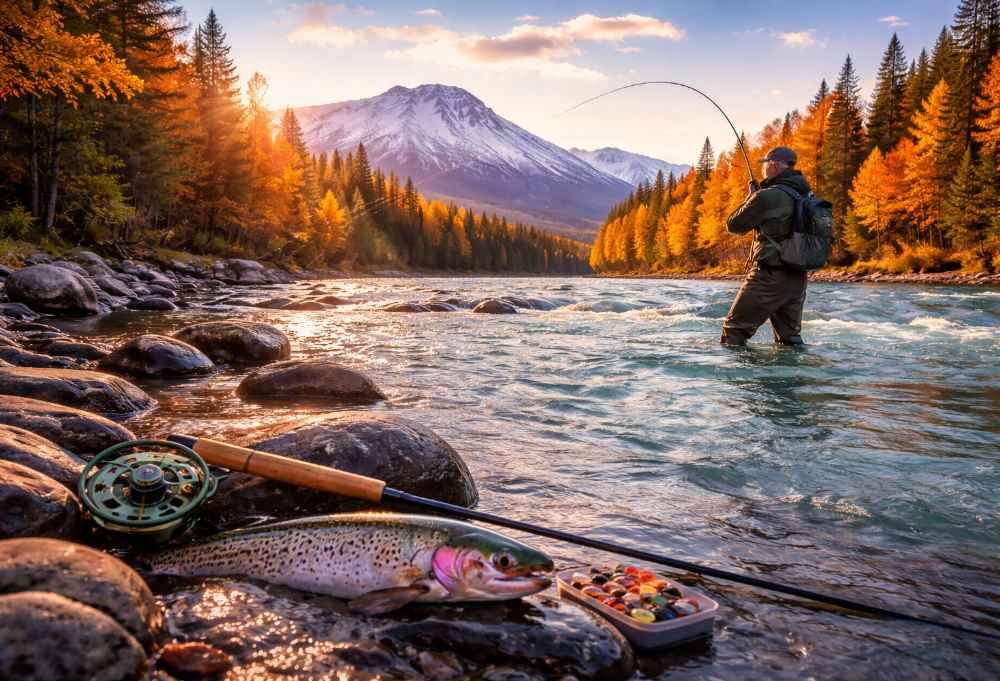
The Kenai Peninsula in Alaska stands as one of the premier destinations for trout and char fishing enthusiasts from around the world. This remarkable region offers anglers the opportunity to pursue multiple species throughout the year, with each season bringing unique opportunities and challenges. Understanding the best fishing months for both trout and char on the Kenai Peninsula can significantly enhance your success rate and overall experience. The seasonal patterns of these species are influenced by water temperatures, spawning cycles, and food availability, making timing essential for a productive fishing trip.
Alaska’s Kenai Peninsula is renowned for its pristine waters and abundant fish populations. Whether you are a seasoned angler or a beginner exploring seasonal fishing for the first time, knowing when to fish for trout and char can make the difference between a memorable adventure and a disappointing outing. This comprehensive guide explores the best months to target these species and provides insights into the unique characteristics of each season.
Spring Season: March Through May
Spring is an exciting time for seasonal fishing on the Kenai Peninsula. As winter’s grip loosens, water temperatures begin to rise, and fish become increasingly active. March marks the beginning of the season for many anglers, though ice conditions can still affect accessibility to certain streams and rivers. By late April and early May, conditions improve significantly, and trout begin their migration patterns in earnest.
During spring months, char fishing can be particularly productive in the deeper pools and channels where these fish have wintered. Arctic char and lake trout become more aggressive as their metabolism increases with warmer water. The Kenai River system sees increased activity during this period, and anglers targeting char habitats near inflowing streams often experience excellent results. Spring run-off begins to affect water clarity, but experienced anglers know how to adjust their techniques to account for slightly cloudy conditions.
The spring season also marks the beginning of several important trout runs in the region. Rainbow trout, lake trout, and other species start moving into optimal feeding zones. Many anglers specifically plan their trips for late April and May to capitalize on pre-summer abundance. Tributaries feeding into larger bodies of water become particularly productive during this time as fish stage before moving upstream.
Early Summer: June and July
Early summer represents peak season for many trout fishing enthusiasts visiting the Kenai Peninsula. June and July offer extended daylight hours, stable weather patterns, and warm water temperatures that activate both trout and char populations. This period coincides with significant fish movements and spawning preparations for many species, making these months among the best fishing months of the entire year.
June sees the arrival of returning salmon species, which indirectly benefits trout and char fishing. The abundant food source attracts larger predatory fish, and the increased aquatic insect activity provides exceptional opportunities for fly fishing. Lake trout in particular become highly aggressive during early summer months. The char habitats throughout the peninsula experience peak feeding activity as fish prepare for the demands of summer and potential spawning cycles.
July continues the excellent conditions established in June, with water temperatures reaching ideal ranges for both trout and char species. The Kenai River and its major tributaries see consistent fishing pressure during this month, attracting anglers from across Alaska and beyond. Rainbow trout runs peak in early July, providing outstanding opportunities for catch-and-release fishing. Many guides consider July the single best month for overall trout fishing productivity on the Kenai Peninsula, particularly for larger specimens and consistent hook-ups.
Late Summer: August and September
August represents a transition period in the seasonal fishing calendar for the Kenai Peninsula. While conditions remain favorable, some species begin showing reduced activity as water temperatures stabilize and summer feeding intensity decreases. However, late summer still offers excellent opportunities for dedicated anglers who understand the behavior patterns of trout runs during this period.
August is particularly excellent for targeting char in deeper water columns where temperatures remain cool and stable. The char habitats in lakes and larger river systems maintain strong populations of active fish throughout August. Many anglers report that char fishing in the Kenai reaches some of its best productivity levels during late August as these fish settle into summer holding patterns in optimal zones.
September marks the beginning of fall transitions, with water temperatures gradually decreasing and seasonal fishing dynamics shifting once again. Early September can still provide excellent trout fishing, particularly in streams and rivers where spawning migrations begin. The char fishing in Alaska’s Kenai Peninsula continues strong through September, with fish showing renewed aggression as water temperatures drop to more comfortable ranges. September also sees the return of anadromous species, which further stimulates feeding activity among resident trout and char populations.
Fall Season: October and November
October and November represent the final productive months of the calendar year for Kenai Peninsula seasonal fishing. These months bring dramatic changes to the landscape and fishing conditions. Water temperatures drop significantly, and many species exhibit increased feeding activity before winter dormancy sets in. The fall season offers unique opportunities for anglers willing to brave cooler weather and shorter daylight hours.
Fall trout runs occur during October and November as fish prepare for winter and spawning activities accelerate in appropriate streams. Lake trout and rainbow trout become highly aggressive during these months, often resulting in some of the largest fish caught throughout the entire year. The Kenai River system experiences reduced fishing pressure during fall months, creating less crowded conditions for those who venture out during this season.
Char fishing in October and November can be exceptional for anglers targeting deep holes and winter refuge areas. Arctic char congregate in specific locations as they prepare for the cold months ahead. The char habitats in the region’s deeper lakes become focal points for fall fishing activity. November typically marks the end of the consistent fishing season for most anglers, as ice formation begins affecting water access and fish behavior becomes increasingly unpredictable.
Winter Season: December Through February
Winter fishing on the Kenai Peninsula presents significant challenges but also unique opportunities for specialized anglers. December through February involve ice formation, extreme cold, and reduced daylight that limit accessibility and comfort. However, dedicated winter anglers and those with specialized equipment can still find productive fishing, particularly in larger rivers that remain open and in springs with consistent warm water sources.
Char habitats in deep, flowing water remain accessible during winter months. Arctic char and lake trout can be caught through the ice or in open water sections of major rivers. The Kenai River maintains some open water throughout the winter, and winter trout runs of dolly varden and other species provide opportunities for those equipped to handle the challenging conditions. Winter seasonal fishing requires significant preparation, proper equipment, and knowledge of fish behavior during cold months.
January and February represent the slowest months for most anglers, as ice coverage becomes extensive and fish activity decreases significantly. However, these months can offer solitude and unique fishing experiences for those interested in winter sports and ice fishing. The char habitats that remain accessible typically concentrate fish in predictable locations, making winter fishing potentially productive for those with appropriate skills and equipment.
Conclusion
The best fishing months for trout and char on the Kenai Peninsula are June through September, with peak productivity occurring in July. However, each season offers unique advantages, and successful anglers understand how to adapt their techniques and expectations to seasonal conditions. Whether you pursue kenai trout fishing in spring’s awakening or fall’s intensity, planning your trip around the seasonal patterns of these remarkable fish species will enhance your Alaska fishing adventure.