

How Different Cultures Celebrate Winter Wildlife: Global Traditions and Alaska’s Bear Country
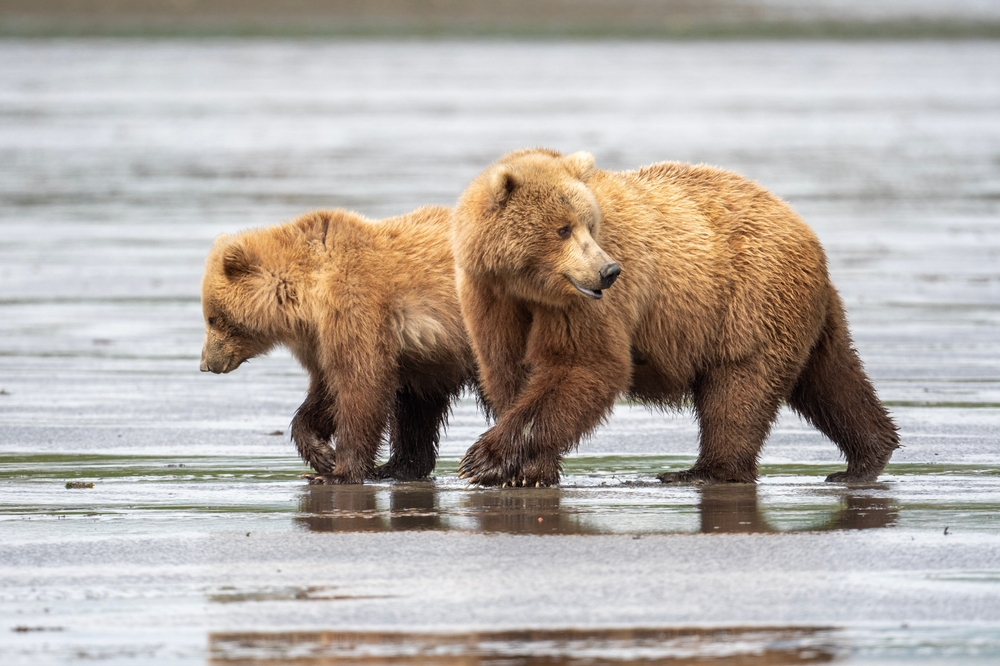
Winter casts a unique spell across the natural world. As temperatures drop and snow blankets landscapes, wildlife behaviors change in captivating ways. Across the globe, different cultures have developed rituals, festivals, and traditions that celebrate the intimate connection between winter and the animal kingdom. From symbolic tales passed down for generations to modern-day conservation practices, these celebrations reveal humanity’s enduring respect for the creatures that brave the harshest season of the year. Alaska’s bear country, with its breathtaking wilderness and iconic species, holds a special place in this mosaic of global traditions. This blog explores how winter wildlife traditions around the world shape cultural identity and environmental awareness, while also highlighting the majestic experience of Alaska bear viewing.
Japan’s Reverence for Winter Cranes
In Japan, winter is closely associated with the graceful red-crowned crane, or “tancho,” a bird that symbolizes longevity, fidelity, and good fortune. These cranes are particularly celebrated in the snowy regions of Hokkaido, where they gather in open fields, their striking black and white plumage contrasting beautifully against the white landscape. Locals and tourists alike flock to sanctuaries such as the Kushiro Marsh to witness these elegant creatures during the coldest months.
The red-crowned crane is more than just a visual marvel; it holds a sacred place in Japanese culture. Traditional origami, especially the folding of a thousand paper cranes (“senbazuru”), is deeply linked to wishes for peace and healing. This practice becomes especially poignant during winter festivals, where cranes are honored as messengers between the earthly and spiritual realms. These events often include storytelling, dance, and art installations that pay tribute to the resilience of wildlife during the season of scarcity.
By intertwining winter and wildlife into spiritual and aesthetic traditions, Japanese culture promotes an ethos of coexistence and reverence for the natural world that is deeply rooted in both Shinto and Buddhist beliefs. The red-crowned crane’s presence during winter serves as a gentle reminder of the beauty and fragility of life, even in the coldest times.
Scandinavia’s Mythical Beasts and Arctic Fauna
The icy realms of Scandinavia have long inspired mythologies where wildlife plays central roles. Reindeer, wolves, and owls are not only physical inhabitants of the northern tundra but also feature prominently in Norse legends and Sami traditions. Winter solstice festivals in countries like Sweden, Norway, and Finland are often interwoven with tales of transformation, survival, and the mystery of the animal world.
In Sami culture, the indigenous people of northern Scandinavia, reindeer are not merely symbolic; they are essential to daily life. During winter, reindeer migrations are tracked and respected, and their behavioral patterns guide seasonal rhythms. The Sami celebrate this connection through joik (traditional songs), clothing adorned with animal motifs, and ceremonies that reflect their close relationship with the Arctic environment.
The wolf, often misunderstood, also holds dual meaning in Norse tradition. While feared as a predator, it is also respected as a symbol of loyalty and strength. Winter stories such as those involving the mythological wolf Fenrir reflect the darker, introspective aspects of the season, when nature’s power is at its most raw. These myths, coupled with modern wildlife preservation efforts, illustrate a culture where the stark beauty of winter wildlife inspires both awe and introspection.
Russian Folklore and the Winter Bear
Russia’s vast landscape and brutal winters have produced a wealth of folklore centered on powerful animals, especially the bear. Unlike in Alaska, where bears hibernate through winter, the Russian bear continues to live vividly in stories told throughout the long cold nights. The bear is often depicted as a wise, cunning, or even magical creature, sometimes representing the Russian spirit itself.
Traditional Russian celebrations around winter often feature animal-inspired themes in puppet shows, plays, and dances. The figure of “Medved” (bear) is a popular character in Russian fairy tales and is celebrated in rural festivals that mark the transition between the old and new year. These festivities typically include costumed parades, where participants dress as various woodland creatures, bringing the forest to life in villages and towns.
Winter wildlife traditions in Russia are more than entertainment; they reflect an ancient worldview in which humans and animals share a symbiotic relationship. This connection is being revitalized through nature reserves and ecotourism programs that highlight native species like lynx, elk, and wolves. Through folklore and conservation, the bear and other animals remain central to the country’s cultural and ecological identity.
Alaska’s Bear Country: A Unique Winter Perspective
Alaska, often referred to as the Last Frontier, is home to some of the most iconic bear populations in the world. Although most bears hibernate during the harshest months, Alaska bear viewing is still a significant part of the cultural and ecological conversation year-round. In the months leading up to winter, brown and grizzly bears engage in a frenzy of foraging, known as hyperphagia, preparing for their months-long slumber. This pre-hibernation period is a highlight for wildlife enthusiasts and photographers alike.
Communities near bear habitats, such as those in Katmai and Lake Clark National Parks, embrace these creatures as symbols of wild strength and resilience. Local traditions and educational programs often emphasize the importance of respecting bear territory and preserving their habitats. These efforts are supported by a network of conservationists, park rangers, and indigenous voices who recognize the cultural and environmental importance of these animals.
Even during winter, the bear remains a powerful figure in Alaskan art and storytelling. Indigenous cultures such as the Tlingit and Yup’ik often depict bears in their totem carvings and seasonal tales. These stories reinforce the importance of balance between human activity and wildlife survival. Winter, far from rendering bears irrelevant, transforms them into symbols of mystery and endurance.
Alaska bear viewing is not limited to in-person experiences. During the winter months, live camera feeds from bear dens and virtual tours allow people to witness these magnificent creatures in their natural environments. This digital connection helps maintain public interest in bear conservation while offering insight into the unseen lives of hibernating wildlife.
Winter Wildlife in North America Beyond Alaska
Elsewhere in North America, winter wildlife traditions vary widely but are united by a common reverence for animals that adapt and thrive in cold environments. In Canada, indigenous cultures such as the Inuit and Cree have long held winter ceremonies that incorporate the presence of Arctic foxes, caribou, and snowy owls. These animals are not only sources of sustenance but are viewed with spiritual respect and integrated into oral histories and rituals.
In the lower 48 states of the United States, winter birdwatching festivals attract thousands each year. Sandhill cranes in New Mexico and bald eagles in Iowa and Washington are celebrated with events that blend scientific education with local heritage. These festivals often take place in January or February, when wildlife visibility is high and community interest in nature is rekindled after the holiday season.
Appalachian and Midwestern winter folklore also includes references to animals as weather predictors or moral guides. The tradition of Groundhog Day, for instance, has its roots in older European customs that connected wildlife behavior to seasonal changes. While whimsical in modern context, these traditions point to a long history of human dependence on and observation of the natural world during winter.
The integration of wildlife into winter traditions across North America reflects an evolving relationship with nature. Increasing awareness about climate change and habitat loss has led to a resurgence in community-based conservation efforts. Celebrating winter wildlife is becoming a way to reconnect with local environments and advocate for sustainable practices.
Conclusion
Across continents and cultures, winter brings about a time of introspection, resilience, and deepened connection with the natural world. From the revered red-crowned cranes of Japan to the mythic bears of Russia and the awe-inspiring ecosystems of Alaska’s bear country, winter wildlife traditions reveal the profound impact animals have on human stories and seasonal rituals. Alaska bear viewing stands as a testament to this enduring relationship, offering a front-row seat to nature’s cycles of survival and renewal.
By honoring these traditions and supporting conservation efforts, we continue to learn from the animals that survive and even thrive in the coldest months. These stories, rooted in centuries of observation and imagination, remind us that winter is not a time of silence but of rich, unseen activity. As snow blankets the earth and animals move through their seasonal rhythms, so too do cultures around the world find meaning, wisdom, and inspiration in winter’s wild inhabitants.