
How to Identify Brown Bears vs. Grizzly Bears
When exploring the wilderness of North America, especially in regions like Alaska and the Rocky Mountains, one of the most iconic and awe-inspiring animals you might encounter is the bear. Among these, the brown bear and the grizzly bear are often confused with one another. Many people wonder if they are different species or merely different names for the same creature. Understanding the distinctions between them is crucial for wildlife enthusiasts, hikers, and anyone spending time in bear country. In this guide, we break down the key aspects of brown bear vs grizzly identification, covering everything from physical traits to habitat and behavior.
The Terminology: Brown Bear vs Grizzly
The first thing to know in this wildlife comparison is that the term “grizzly bear” refers to a specific subspecies of the brown bear (Ursus arctos). All grizzlies are brown bears, but not all brown bears are grizzlies. The primary difference between the two lies in their geography and environment. Grizzly bears are typically found inland, such as in Montana, Wyoming, and the interior of Alaska. Brown bears, in a broader sense, are generally those that live along the coast of Alaska and British Columbia.
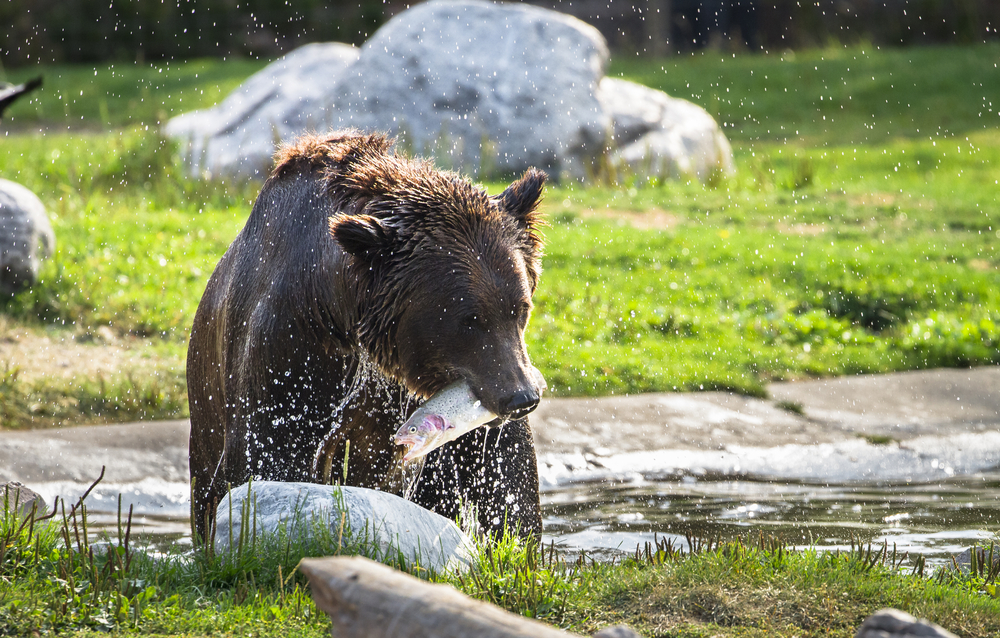
The name “grizzly” was inspired by the bear’s grizzled fur, which is typically darker with lighter tips, giving it a slightly frosted look. Coastal brown bears, on the other hand, tend to be larger and more uniformly brown due to a richer diet provided by their access to marine resources like salmon. This variation in appearance and lifestyle has led to a widely accepted distinction, especially in popular and scientific discussions about bear identification.
Physical Features and Bear Size Differences
One of the most noticeable aspects when comparing brown bear vs grizzly is their size. Brown bears that live along coastal regions tend to be much larger than their inland grizzly cousins. This difference is largely due to their diet. Coastal brown bears feast on a high-calorie diet of fish, particularly salmon, which supports greater body mass. In contrast, grizzlies living inland rely on a more varied but less calorie-dense diet of berries, roots, insects, and occasional meat.
Coastal brown bears can weigh anywhere from 800 to 1,200 pounds, with some exceptional males tipping the scales at over 1,500 pounds. Grizzlies are generally smaller, weighing between 400 and 800 pounds. However, it is important not to rely solely on weight for bear identification, as individual size can vary greatly depending on age, sex, and the season.
Besides size, both bears share many physical traits, such as a prominent shoulder hump made of muscle, short rounded ears, a concave facial profile, and long front claws. Grizzlies often appear more compact and muscular with darker fur and more pronounced grizzling. Their claws are typically longer and straighter, aiding in digging for roots and small prey, while coastal brown bears may have slightly curved claws more adapted to fishing.
Habitat Differences Across Alaska and Beyond
Habitat plays a central role in distinguishing these bears. The term “brown bear” is most often used for bears inhabiting coastal areas of Alaska, Kodiak Island, and parts of British Columbia. These bears live in environments rich in food sources, especially fish from rivers and streams. The abundance of high-fat food along the coast supports larger body size and denser populations.
Grizzly bears, on the other hand, are typically found in interior and mountainous regions. Their habitats include alpine meadows, tundra, forests, and valleys. They tend to range more widely and occupy larger territories due to the scarcity of high-energy food sources. In regions like Yellowstone National Park or Glacier National Park, grizzlies can often be seen foraging alone in wide open spaces, covering miles in search of sustenance.
Understanding where a bear lives can provide helpful context when trying to identify it. If you are near the coast of Alaska or British Columbia and see a very large bear fishing in a stream, chances are high you are looking at a coastal brown bear. If you are hiking in the Rocky Mountains or Denali’s interior terrain and spot a smaller, solitary bear digging in the soil, it is likely a grizzly.
Behavioral Differences Between Brown and Grizzly Bears
Behavioral differences also support the distinction between these two types of bears. Coastal brown bears, due to the abundant food supply, often tolerate being in closer proximity to other bears. This is especially evident during salmon spawning season when several bears may be seen fishing in the same area with relatively low aggression.
In contrast, grizzly bears tend to be more solitary and can be more aggressive, especially when food is scarce. They are also more defensive of their personal space and young. The lower food availability in inland regions creates more competition, making grizzlies more territorial and assertive. This behavioral trait is important for hikers and outdoor enthusiasts to recognize, as encounters with grizzlies require extra caution and a deep respect for their space.
Both types of bears hibernate during the winter, but their patterns may differ slightly depending on regional climate. For example, grizzlies in colder mountain regions may enter hibernation earlier and emerge later than coastal brown bears. Their denning habits and locations can also vary based on terrain and environmental needs.
Importance of Accurate Bear Identification
Accurate bear identification is important for both safety and conservation. Understanding whether you are encountering a brown bear or a grizzly can influence how you react, how you report sightings, and how researchers collect data about bear populations and behavior.
For safety, knowing that grizzlies are generally more territorial and reactive can help you make better decisions when hiking or camping in bear country. Carrying bear spray, making noise while hiking, and securing food properly are all essential practices, but being able to distinguish between species adds another layer of awareness.
From a conservation perspective, both grizzly and brown bears face threats from habitat loss, human interaction, and climate change. Grizzlies in the contiguous United States are listed as a threatened species under the Endangered Species Act, while many brown bear populations in Alaska are more stable due to the protected and resource-rich environments. Recognizing these differences can help support responsible wildlife management and education efforts.
Conclusion
The debate over brown bear vs grizzly is not just about semantics. It reflects real differences in habitat, behavior, and physical characteristics that are shaped by geography and ecology. While both animals belong to the same species, the term “grizzly bear” has come to represent inland populations with distinct traits and challenges, while “brown bear” usually refers to their coastal, larger, and often better-fed relatives.
Whether you are exploring the wilderness of Alaska, hiking the Rockies, or simply learning about wildlife comparison, understanding these subtle but important differences will enrich your appreciation for one of North America’s most iconic creatures. By learning to identify brown bears vs grizzly bears through factors such as size, fur color, habitat, and behavior, you can engage more thoughtfully with nature and support efforts to protect these remarkable animals.