
Defensive vs. Predatory Bear Encounters: Key Differences
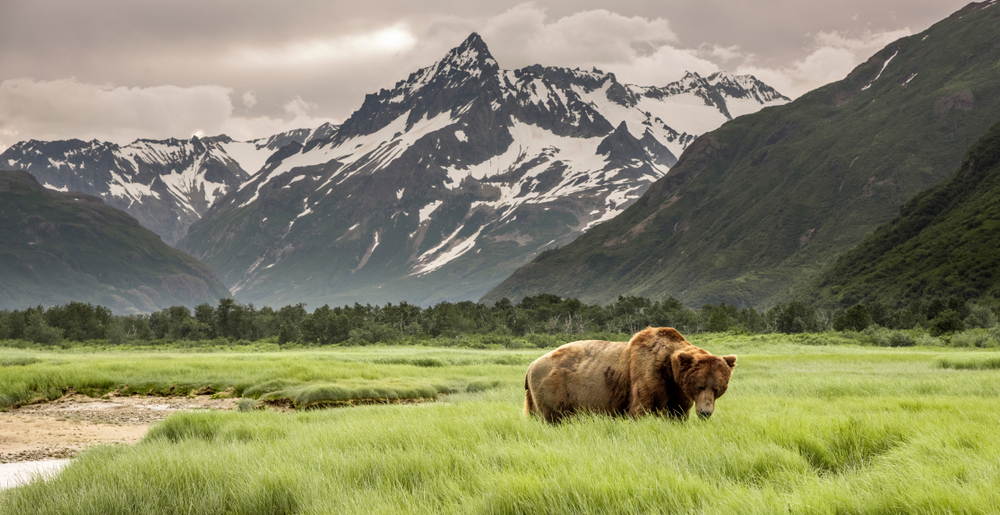
There is something unforgettable about locking eyes with a bear in the wild. The sheer size, the quiet power, the awareness that you are sharing space with one of Alaska’s most iconic animals. For adventure travelers visiting the Kenai Peninsula, bear viewing is often at the top of the bucket list. Whether you are flying into remote river corridors near Homer, exploring coastal flats outside Seward, or venturing into wildlife-rich back country beyond Anchorage, understanding bear behavior is essential.
Not all Alaska bear encounters are the same. Some are defensive reactions to perceived threats. Others, though far less common, involve predatory bear behavior. Knowing the difference between these encounter types can make the difference between a safe experience and a dangerous one. At Alaska West Air, education and preparation are part of every guided trip. Their experienced pilots and wilderness guides not only take clients into some of the most remote wildlife hot spots in South Central Alaska, they also ensure visitors understand wildlife behavior before ever stepping off the bush plane.
Understanding the Nature of Defensive Bear Encounters
Defensive encounters are the most common type of bear aggression cues in Alaska’s back country. In these situations, the bear is not hunting you. It is reacting to something it perceives as a threat. This could involve surprising a bear at close range, approaching a sow with cubs, or unintentionally getting between a bear and its food source.
Defensive bear signs often include loud vocalizations such as huffing or jaw popping. The bear may swat the ground, bluff charge, or appear agitated while maintaining a fixed position. Its goal is typically to intimidate and drive you away rather than pursue you.
On the Kenai Peninsula, dense brush and winding salmon streams can reduce visibility, increasing the chances of accidentally startling a bear. That is why guided safety expertise matters. Alaska West Air ensures that clients traveling into remote bear-viewing areas are briefed on spacing, noise awareness, and positioning to reduce surprise encounters.
In defensive scenarios, backing away slowly, avoiding direct eye contact, and giving the animal space are often appropriate responses. The key is recognizing that the bear is reacting, not stalking.
Recognizing Predatory Bear Behavior
Predatory encounters are significantly less common but far more serious. In these encounter types, the bear is not defending cubs or food. Instead, it is assessing you as potential prey. Predatory bear behavior often appears quieter and more deliberate.
Unlike a defensive bear that may bluff charge and then stop, a predatory bear may follow at a distance, circle, or approach silently. Its posture is focused and intent. The absence of loud vocalizations can be deceptive. This behavior is most often associated with black bears, though brown bears are capable of predatory actions as well.
In Alaska bear encounters involving predatory cues, the recommended response shifts dramatically. Instead of retreating passively, individuals may need to assert dominance, maintain eye contact, and prepare to defend themselves if necessary. Understanding the distinction between defensive bear signs and predatory behavior is critical.
Alaska West Air guides are trained to interpret subtle wildlife behavior cues. Their familiarity with seasonal bear patterns around Homer, Seward, and more remote South Central Alaska locations allows them to anticipate when bears are feeding heavily, protecting cubs, or transitioning between food sources. This local knowledge reduces the likelihood of misreading a situation.
How Season and Location Influence Encounter Types
The Kenai Peninsula offers diverse bear habitats, from coastal sedge meadows to inland river systems. Seasonal factors heavily influence wildlife behavior. During salmon runs, bears are often concentrated along rivers and may be highly focused on feeding. In these cases, defensive reactions are more common if humans approach too closely.
Late summer and fall can introduce different dynamics. As food sources fluctuate, bears may roam more widely. While predatory bear behavior remains rare, hunger-driven movement can increase curiosity or territorial responses.
Remote access plays a role in encounter frequency. Alaska West Air uses bush planes to transport clients to areas far beyond road systems. These locations offer unparalleled bear viewing opportunities but also require heightened awareness. Unlike roadside wildlife viewing, remote back country experiences demand preparation.
Before each trip, guides provide briefings on encounter types, bear aggression cues, and safe positioning. Education reduces panic and empowers visitors to interpret what they see with clarity rather than fear.
The Role of Guided Safety Expertise
Adventure travelers often seek authentic wilderness experiences, but authenticity should never mean unnecessary risk. Alaska West Air emphasizes guided safety expertise as a core component of its bear-viewing and wilderness tours.
Experienced guides accompany clients into bear habitats, maintaining appropriate distances and reading animal body language. They understand how wind direction, terrain, and group behavior influence bear responses. This professional oversight transforms potentially tense Alaska bear encounters into controlled, educational experiences.
Families, photographers, and hunting clients benefit equally from this approach. Photographers can focus on capturing powerful images while guides monitor bear aggression cues in real time. Families can introduce children to wildlife with confidence. Hunters and anglers traveling to remote camps receive thorough briefings on wildlife behavior before heading into the field.
Guided expertise does not eliminate risk entirely, but it significantly reduces the chance of escalating a defensive situation or misinterpreting predatory behavior.
Remote Access and Custom Wilderness Experiences
One of the unique advantages of Alaska West Air is its ability to access remote wildlife hot spots by bush plane. Many of the most productive bear-viewing areas on the Kenai Peninsula and in broader Southcentral Alaska are unreachable by road. Flying into these locations not only enhances the experience but also allows for careful site selection based on seasonal bear activity.
Custom adventure experiences often combine bear viewing with fishing, hunting, or flightseeing. This flexibility means travelers can tailor their wilderness journey while benefiting from consistent safety protocols across activities.
Local knowledge plays a decisive role in choosing landing sites and observation areas. Understanding where bears typically feed, den, or travel during certain times of year reduces the unpredictability of encounter types. Guides factor in wind patterns, recent wildlife sightings, and current food availability when planning outings.
Fleet reliability and aviation safety are equally important. Bush planes operated by experienced pilots ensure efficient, secure transportation into remote terrain. This level of professionalism enhances both adventure and peace of mind.
Reading Wildlife Behavior for a Safer Experience
Ultimately, the difference between defensive and predatory bear encounters lies in understanding intent. Defensive bear signs usually stem from surprise or protection. Predatory bear behavior involves assessment and pursuit. Recognizing these distinctions empowers travelers to respond appropriately.
For anyone planning bear viewing on the Kenai Peninsula, knowledge is as important as excitement. Alaska West Air integrates education and preparation into every trip. By briefing clients on wildlife behavior and bear aggression cues before takeoff, they help prevent dangerous situations from developing.
Adventure in Alaska’s back country should inspire awe, not fear. With experienced guides, remote access to prime habitats, and a commitment to safety, Alaska West Air transforms Alaska bear encounters into unforgettable yet responsible wilderness experiences.