Alaska stands as one of the world’s most pristine and remote wilderness destinations, yet accessing its most stunning landscapes has historically presented significant challenges. Floatplane travel offers a revolutionary solution to this problem, providing adventurers and nature enthusiasts with unparalleled access to the state’s breathtaking backcountry. This guide explores why floatplane travel represents the ultimate way to experience Alaska’s untamed beauty, from the rugged Kenai Peninsula to remote glacier-fed lakes that few travelers ever witness.
The Unmatched Accessibility of Floatplane Adventures
One of the most compelling reasons to choose floatplane travel for Alaska exploration is the remarkable accessibility it provides. Traditional ground transportation in Alaska faces severe limitations due to the state’s vast size and sparse infrastructure. Roadways remain underdeveloped across much of the state, and many of the most spectacular destinations lie completely inaccessible by vehicle or foot.
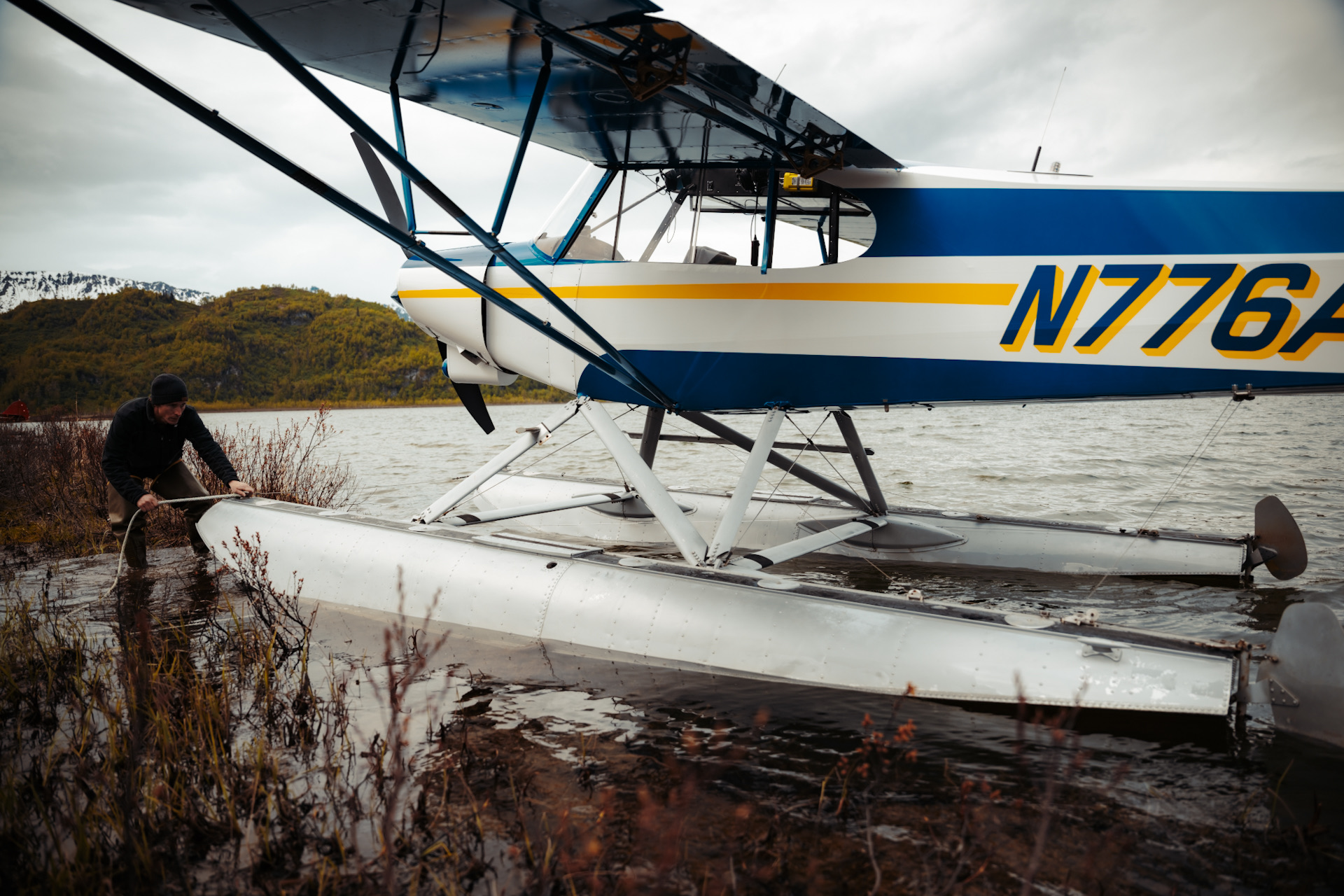
Floatplanes eliminate these geographical barriers by landing directly on Alaska’s countless lakes, rivers, and coastal waters. This unique capability means you can reach remote fishing lodges, untouched wilderness areas, and stunning natural attractions that would require weeks of hiking or expensive helicopter tours to access otherwise. The floatplane industry has developed robust networks throughout Alaska, with operators based in Juneau, Ketchikan, Anchorage, and other regional hubs ready to transport visitors to their chosen destinations.
A typical Alaska backcountry flight from a major city like Juneau can have you landing on a pristine mountain lake within just one hour. Compare this to the days or weeks of challenging backcountry hiking that would be required to reach the same locations on foot. For travelers with limited vacation time, floatplane access transforms what would be an impossible expedition into a feasible day trip or weekend adventure.
Cost-Effective Exploration of Remote Destinations
Many people assume that floatplane travel in Alaska represents an expensive luxury available only to wealthy travelers. However, this misconception overlooks the true cost-effectiveness of floatplane tours when compared to alternative options for backcountry exploration. Several factors contribute to the surprising affordability of floatplane adventures.
First, floatplanes reduce the need for expensive multi-day backpacking expeditions. Instead of purchasing weeks of supplies and equipment for a lengthy backcountry trek, you can take a day trip via floatplane. This eliminates substantial costs associated with food, camping gear, and emergency supplies. Kenai Peninsula floatplane tours, in particular, offer excellent value because the region supports numerous operators, which creates competitive pricing.
Second, floatplanes provide direct access that minimizes the need for guide services and support staff. While backcountry expeditions often require experienced guides to navigate safely through remote terrain, many floatplane tours operate with minimal staffing, keeping costs lower. This efficiency translates directly to savings for customers.
Third, the time savings inherent in floatplane travel often justify the expense in practical terms. A destination that would require four days of hiking becomes reachable in a four-hour total trip including flight time. This efficiency allows you to experience multiple locations during a single vacation rather than committing your entire trip to reaching one destination.
Group discounts and package deals further enhance the value proposition of floatplane travel. Many operators offer reduced rates for larger parties, making Alaska backcountry flights increasingly affordable for families and organized tour groups.
Unparalleled Scenic Views and Photography Opportunities
Alaska’s landscapes are internationally renowned for their dramatic beauty, and floatplane travel offers perhaps the finest vantage point for experiencing and photographing these spectacular scenery. Flying at relatively low altitudes, typically between one thousand and five thousand feet, floatplanes provide intimate aerial perspectives that reveal the true scale and majesty of Alaska’s wilderness.
During a floatplane journey, you witness the full context of Alaska’s geography in a way that ground-based travel cannot replicate. You see how massive glaciers carve through mountain valleys, how turquoise meltwater flows into pristine lakes, and how dense rainforests transition into alpine tundra. The aerial perspective reveals ecological patterns and natural features invisible to travelers on the ground.
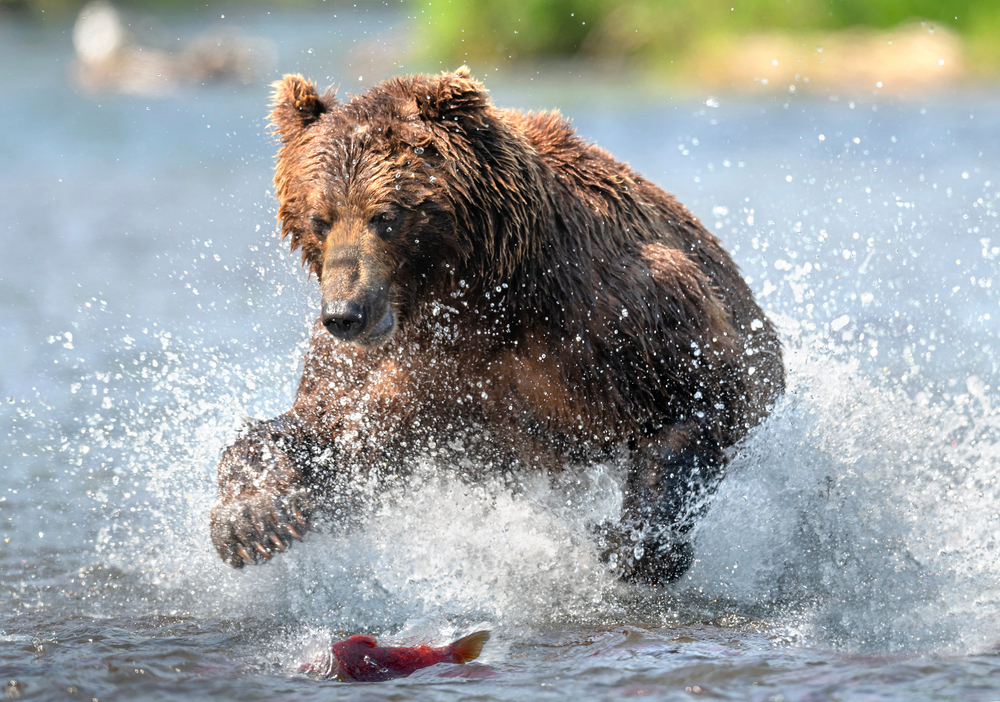
Photography enthusiasts find floatplane travel particularly rewarding. The large windows and stable flight characteristics of floatplanes make it possible to capture professional-quality images of bears fishing in rivers, moose standing in wilderness lakes, and dramatic coastal landscapes. The changing light throughout the day creates constantly evolving photographic opportunities as you traverse different elevations and terrain types.
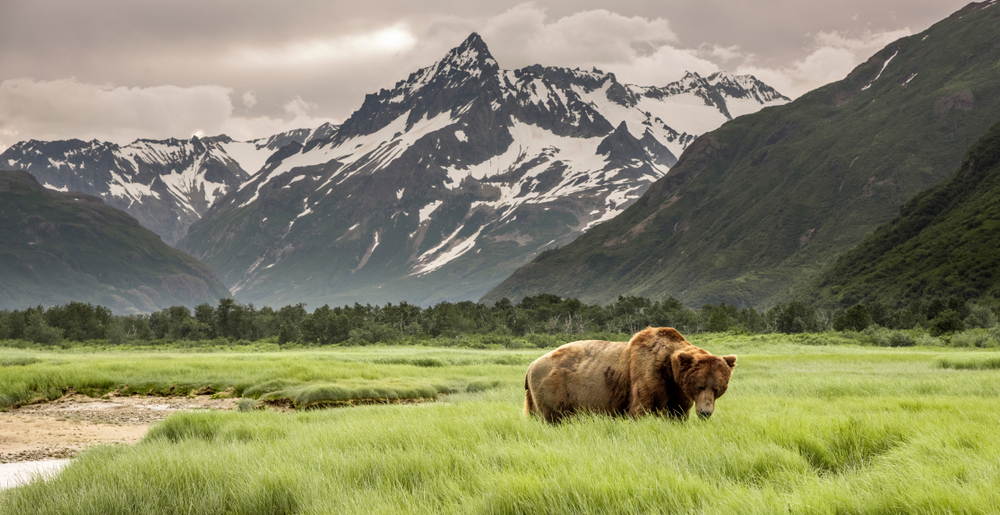
Wildlife observation also improves dramatically from the air. Floatplane travelers regularly spot brown bears, moose, Dall sheep, and marine mammals like whales and sea otters. From the air, these animals appear in their natural habitats, undisturbed and engaging in natural behaviors. Ground-based wildlife watching requires tremendous patience and luck, while floatplane travel offers reliable wildlife viewing opportunities.
Comfort and Safety Standards in Modern Floatplane Operations
Modern floatplane operators in Alaska maintain remarkably high standards of comfort and safety, dispelling outdated perceptions of bush flying as a risky or uncomfortable endeavor. Today’s floatplanes feature pressurized cabins, modern avionics, and reliability ratings equal to or exceeding conventional aircraft.
Floatplane pilots operating in Alaska receive extensive specialized training for water landings, emergency procedures, and navigation in challenging weather conditions. The industry maintains rigorous safety protocols and regular maintenance schedules that exceed federal requirements. Many operators have compiled perfect safety records spanning decades of operations.
Passenger comfort has also improved significantly in recent years. While floatplane cabins are more compact than commercial airliners, modern aircraft feature comfortable seating, climate control, and smooth flight characteristics that make even longer flights pleasant experiences. Headsets with intercom systems allow passengers to communicate with pilots and learn detailed information about the landscape passing below.
Safety features specifically designed for water operations include flotation devices, emergency beacons, and comprehensive pre-flight briefings. Floatplane operators take their responsibility for passenger safety with the utmost seriousness, and the statistics bear this out. Alaska’s floatplane industry maintains safety records that exceed those of many ground-based activities.
Creating Unforgettable Memories in Alaska’s Pristine Wilderness
Ultimately, floatplane travel in Alaska creates transformative experiences that remain with travelers for the rest of their lives. The combination of accessibility, stunning natural beauty, wildlife encounters, and adventure creates memories that static photographs and descriptions simply cannot capture.
Whether you are fishing for trophy salmon in remote rivers, exploring untouched glaciers, or simply immersing yourself in pristine wilderness, floatplane travel delivers experiences of profound personal significance. Many travelers describe their floatplane adventures in Alaska as life-changing journeys that fundamentally altered their perspective on nature and wilderness conservation.
The social dimension of floatplane travel enhances these experiences further. Sharing the journey with a small group of fellow travelers creates camaraderie and deepens the sense of adventure. These connections often result in lasting friendships formed through shared appreciation of Alaska’s wild beauty.
Conclusion
Floatplane travel stands as the optimal method for experiencing Alaska’s backcountry wilderness. By providing unmatched accessibility to remote locations, competitive pricing compared to alternative adventures, spectacular photographic opportunities, high safety and comfort standards, and the potential for truly unforgettable experiences, floatplane tours represent an investment in memories that will endure for decades. Whether you venture to the Kenai Peninsula, remote Arctic lakes, or pristine coastal regions, floatplane travel transforms Alaska from a distant dream into an accessible and achievable adventure.
There are few wildlife experiences as powerful as standing on a remote Alaskan shoreline and watching a brown bear move through the landscape. The rhythm of its stride, the way it pauses to test the air, the splash of salmon in a nearby river. For wildlife photographers visiting the Kenai Peninsula, capturing Alaska bear photos is often the highlight of a lifetime.
However, photographing bears requires far more than a good camera and a steady hand. It demands awareness, preparation, and respect for wildlife behavior. Safe wildlife photography is not about getting closer. It is about positioning yourself intelligently, understanding the animal’s intent, and working with experienced guides who prioritize safety. Alaska West Air provides expert-led bear viewing trips that combine remote access with education and preparation, allowing photographers to focus on capturing extraordinary images without unnecessary risk.
Understanding Bear Behavior Before You Raise the Camera
Before any lens is lifted, understanding wildlife behavior is essential. Bears are not aggressive by default, but they are powerful and unpredictable if surprised or threatened. The difference between defensive and predatory behavior can influence how you respond in the field.
Defensive bears may display warning signals such as huffing, jaw popping, or bluff charging. These actions are often meant to create distance rather than initiate pursuit. Predatory behavior, though far less common, is typically quieter and more deliberate. A bear that follows at a distance or circles with focused attention requires immediate caution.
Alaska West Air integrates wildlife safety education into every trip. Guides brief clients on bear aggression cues before entering prime habitats. Understanding these encounter types ensures that photographers can remain calm and respond appropriately.
When you are calm, you make better decisions. That clarity allows you to compose your shot while maintaining safe positioning.
Use Distance and Optics to Your Advantage
One of the most important bear photography tips is simple: let your equipment do the work. Modern telephoto lenses are designed to capture intimate detail from a safe distance. A 300mm, 400mm, or longer lens allows photographers to fill the frame without encroaching on a bear’s personal space.
Staying back protects both you and the animal. Bears that feel crowded may alter their behavior, move away from feeding areas, or react defensively. Ethical wildlife photography prioritizes the animal’s natural movement and comfort.
On bear viewing trips with Alaska West Air, guides position groups strategically based on terrain, wind direction, and seasonal activity. Photographers are placed at vantage points that maximize visibility while maintaining safe separation.
This professional oversight is especially valuable in remote Southcentral Alaska locations where bears roam freely. Unlike roadside wildlife encounters, these backcountry settings require careful distance management.
Read the Environment as Much as the Bear
Safe wildlife photography involves more than watching the bear itself. The surrounding environment provides important clues. Wind direction can determine whether a bear detects human scent. Dense brush may limit visibility and increase the chance of surprise encounters.
Alaska West Air’s deep local knowledge of the Kenai Peninsula helps mitigate these risks. Guides understand how bears use coastal sedge meadows, salmon streams near Homer, and tidal flats accessible only by bush plane. Seasonal patterns influence feeding behavior and movement routes.
For example, during peak salmon runs, bears are often focused on fishing and may tolerate distant human presence more readily. However, sows with cubs require additional space and caution. Photographers benefit from knowing where to position themselves to capture Alaska bear photos without disrupting natural activity.
Remote access by bush plane also enhances safety. By flying into carefully selected wildlife hotspots, Alaska West Air avoids heavily trafficked areas where bears may already be stressed by crowds. The result is a quieter, more controlled experience.
Maintain Calm Body Language and Group Awareness
Bears are highly perceptive animals. Sudden movements, loud voices, or erratic behavior can trigger defensive responses. When photographing bears, slow and deliberate movement is key.
Remain upright and visible. Avoid crouching or hiding in ways that may confuse the bear about your shape. Keep camera adjustments smooth and minimize unnecessary repositioning.
Group awareness is equally important. Families and outdoor enthusiasts participating in bear viewing trips should stay together and follow guide instructions closely. Scattered individuals create unpredictable patterns that may concern wildlife.
Alaska West Air’s expert-led trips emphasize coordinated group behavior. Guides manage spacing, monitor bear reactions, and adjust positioning as needed. This structured approach ensures that every participant, from seasoned photographers to first-time visitors, operates within safe parameters.
By combining discipline with observation, photographers can capture compelling images while preserving a respectful distance.
Timing and Light for Exceptional Results
Photographing bears in Alaska is not only about safety. It is also about creating unforgettable images. Early morning and late evening light often provide the most dramatic conditions. Soft golden light enhances fur texture and highlights natural landscapes.
Guides with Alaska West Air understand how seasonal daylight patterns affect wildlife activity. During long summer days, bears may feed at various times, but certain windows consistently offer optimal photographic conditions.
Remote access ensures that photographers are positioned in prime habitats at the right moments. Bush planes allow efficient travel to locations inaccessible by road, opening opportunities for high-value experiences that cannot be replicated elsewhere.
Custom adventure packages also allow photographers to combine bear photography with fishing, hunting, or flightseeing. This flexibility enriches the overall journey while maintaining consistent safety standards.
For those seeking exceptional Alaska bear photos, the combination of timing, location, and professional guidance makes a measurable difference.
Why Professional Guidance Makes All the Difference
Wildlife photographers often pride themselves on independence, but bear country is not a place for improvisation. Professional guides bring situational awareness that cannot be learned overnight. They recognize subtle changes in posture or movement that may signal discomfort.
Alaska West Air’s commitment to education and safety transforms bear viewing trips into immersive learning experiences. Clients leave not only with stunning images but also with a deeper understanding of wildlife behavior.
For families and outdoor enthusiasts, this reassurance is invaluable. Parents can focus on capturing memories while guides ensure safe distances. Adventure travelers can explore remote terrain with confidence.
The combination of expert-led trips, remote access, and local knowledge creates a rare opportunity. Photographers gain access to pristine landscapes around Homer, Seward, and beyond without compromising safety.
Capture the Moment Without Compromising Respect
The thrill of photographing a bear in the wild is unmatched. Yet the most powerful images come from patience and distance rather than proximity. Safe wildlife photography protects both the photographer and the animal.
By understanding behavior, using proper equipment, reading the environment, and following experienced guidance, you can capture remarkable Alaska bear photos while preserving the integrity of the encounter.
Alaska West Air offers more than transportation into remote terrain. They provide education, preparation, and structured safety that elevate every trip. For those seeking bear photography tips rooted in real-world experience, their approach ensures that each image reflects both artistry and respect.
In the vast landscapes of the Kenai Peninsula, the opportunity to photograph bears responsibly is a privilege. With the right preparation and professional support, that privilege becomes a memory that lasts far beyond the click of the shutter.
There is something unforgettable about locking eyes with a bear in the wild. The sheer size, the quiet power, the awareness that you are sharing space with one of Alaska’s most iconic animals. For adventure travelers visiting the Kenai Peninsula, bear viewing is often at the top of the bucket list. Whether you are flying into remote river corridors near Homer, exploring coastal flats outside Seward, or venturing into wildlife-rich back country beyond Anchorage, understanding bear behavior is essential.
Not all Alaska bear encounters are the same. Some are defensive reactions to perceived threats. Others, though far less common, involve predatory bear behavior. Knowing the difference between these encounter types can make the difference between a safe experience and a dangerous one. At Alaska West Air, education and preparation are part of every guided trip. Their experienced pilots and wilderness guides not only take clients into some of the most remote wildlife hot spots in South Central Alaska, they also ensure visitors understand wildlife behavior before ever stepping off the bush plane.
Understanding the Nature of Defensive Bear Encounters
Defensive encounters are the most common type of bear aggression cues in Alaska’s back country. In these situations, the bear is not hunting you. It is reacting to something it perceives as a threat. This could involve surprising a bear at close range, approaching a sow with cubs, or unintentionally getting between a bear and its food source.
Defensive bear signs often include loud vocalizations such as huffing or jaw popping. The bear may swat the ground, bluff charge, or appear agitated while maintaining a fixed position. Its goal is typically to intimidate and drive you away rather than pursue you.
On the Kenai Peninsula, dense brush and winding salmon streams can reduce visibility, increasing the chances of accidentally startling a bear. That is why guided safety expertise matters. Alaska West Air ensures that clients traveling into remote bear-viewing areas are briefed on spacing, noise awareness, and positioning to reduce surprise encounters.
In defensive scenarios, backing away slowly, avoiding direct eye contact, and giving the animal space are often appropriate responses. The key is recognizing that the bear is reacting, not stalking.
Recognizing Predatory Bear Behavior
Predatory encounters are significantly less common but far more serious. In these encounter types, the bear is not defending cubs or food. Instead, it is assessing you as potential prey. Predatory bear behavior often appears quieter and more deliberate.
Unlike a defensive bear that may bluff charge and then stop, a predatory bear may follow at a distance, circle, or approach silently. Its posture is focused and intent. The absence of loud vocalizations can be deceptive. This behavior is most often associated with black bears, though brown bears are capable of predatory actions as well.
In Alaska bear encounters involving predatory cues, the recommended response shifts dramatically. Instead of retreating passively, individuals may need to assert dominance, maintain eye contact, and prepare to defend themselves if necessary. Understanding the distinction between defensive bear signs and predatory behavior is critical.
Alaska West Air guides are trained to interpret subtle wildlife behavior cues. Their familiarity with seasonal bear patterns around Homer, Seward, and more remote South Central Alaska locations allows them to anticipate when bears are feeding heavily, protecting cubs, or transitioning between food sources. This local knowledge reduces the likelihood of misreading a situation.
How Season and Location Influence Encounter Types
The Kenai Peninsula offers diverse bear habitats, from coastal sedge meadows to inland river systems. Seasonal factors heavily influence wildlife behavior. During salmon runs, bears are often concentrated along rivers and may be highly focused on feeding. In these cases, defensive reactions are more common if humans approach too closely.
Late summer and fall can introduce different dynamics. As food sources fluctuate, bears may roam more widely. While predatory bear behavior remains rare, hunger-driven movement can increase curiosity or territorial responses.
Remote access plays a role in encounter frequency. Alaska West Air uses bush planes to transport clients to areas far beyond road systems. These locations offer unparalleled bear viewing opportunities but also require heightened awareness. Unlike roadside wildlife viewing, remote back country experiences demand preparation.
Before each trip, guides provide briefings on encounter types, bear aggression cues, and safe positioning. Education reduces panic and empowers visitors to interpret what they see with clarity rather than fear.
The Role of Guided Safety Expertise
Adventure travelers often seek authentic wilderness experiences, but authenticity should never mean unnecessary risk. Alaska West Air emphasizes guided safety expertise as a core component of its bear-viewing and wilderness tours.
Experienced guides accompany clients into bear habitats, maintaining appropriate distances and reading animal body language. They understand how wind direction, terrain, and group behavior influence bear responses. This professional oversight transforms potentially tense Alaska bear encounters into controlled, educational experiences.
Families, photographers, and hunting clients benefit equally from this approach. Photographers can focus on capturing powerful images while guides monitor bear aggression cues in real time. Families can introduce children to wildlife with confidence. Hunters and anglers traveling to remote camps receive thorough briefings on wildlife behavior before heading into the field.
Guided expertise does not eliminate risk entirely, but it significantly reduces the chance of escalating a defensive situation or misinterpreting predatory behavior.
Remote Access and Custom Wilderness Experiences
One of the unique advantages of Alaska West Air is its ability to access remote wildlife hot spots by bush plane. Many of the most productive bear-viewing areas on the Kenai Peninsula and in broader Southcentral Alaska are unreachable by road. Flying into these locations not only enhances the experience but also allows for careful site selection based on seasonal bear activity.
Custom adventure experiences often combine bear viewing with fishing, hunting, or flightseeing. This flexibility means travelers can tailor their wilderness journey while benefiting from consistent safety protocols across activities.
Local knowledge plays a decisive role in choosing landing sites and observation areas. Understanding where bears typically feed, den, or travel during certain times of year reduces the unpredictability of encounter types. Guides factor in wind patterns, recent wildlife sightings, and current food availability when planning outings.
Fleet reliability and aviation safety are equally important. Bush planes operated by experienced pilots ensure efficient, secure transportation into remote terrain. This level of professionalism enhances both adventure and peace of mind.
Reading Wildlife Behavior for a Safer Experience
Ultimately, the difference between defensive and predatory bear encounters lies in understanding intent. Defensive bear signs usually stem from surprise or protection. Predatory bear behavior involves assessment and pursuit. Recognizing these distinctions empowers travelers to respond appropriately.
For anyone planning bear viewing on the Kenai Peninsula, knowledge is as important as excitement. Alaska West Air integrates education and preparation into every trip. By briefing clients on wildlife behavior and bear aggression cues before takeoff, they help prevent dangerous situations from developing.
Adventure in Alaska’s back country should inspire awe, not fear. With experienced guides, remote access to prime habitats, and a commitment to safety, Alaska West Air transforms Alaska bear encounters into unforgettable yet responsible wilderness experiences.
When people think of holiday giving, they often picture wrapped boxes under a tree, donations to charities, or sharing meals with family. While all of these are important and meaningful, there’s another form of giving that is less tangible but arguably more transformative: the gift of understanding. Cultural empathy, the ability to understand and share the feelings of someone from a different background, is a profound outcome of meaningful travel. Especially during the winter months, Alaska offers a unique setting for travelers seeking this kind of experience. Alaska travel experiences are not just about awe-inspiring landscapes and wildlife; they are also about connecting with people whose ways of life are shaped by snow-covered lands, long nights, and traditions rooted in resilience.
Traveling through Alaska’s winter wilderness invites visitors to slow down, adapt, and engage more deeply with the environment and the communities that thrive there. These experiences open the door to personal growth and a broader perspective on the world. In a time when many are focused on material exchange, the opportunity to cultivate empathy may be the most valuable gift of all.
Lessons in Simplicity and Resilience from Alaska’s Native Cultures
Alaska is home to diverse Indigenous communities whose cultures have evolved over thousands of years in close harmony with the natural world. During winter, life in rural Alaska is governed by both extreme cold and strong communal ties. Visitors who venture beyond popular destinations like Anchorage and Juneau into smaller villages or remote lodges have the opportunity to witness a different way of life, one grounded in simplicity, cooperation, and respect for nature.
Spending time with Native Alaskan communities reveals how their survival is interwoven with the land, not just physically but spiritually. Traditional knowledge about hunting, fishing, and crafting, passed down through generations, speaks to a deep relationship with the environment. Observing or participating in these cultural practices fosters an appreciation for the values of patience, interdependence, and stewardship.
These immersive Alaska travel experiences challenge visitors to let go of their fast-paced routines and reconsider what it means to live well. Cultural empathy begins to grow as travelers recognize that success and fulfillment are measured differently in other communities. The holidays, typically a season of consumption, become instead a time for learning from others and honoring their stories.
Shared Cold, Shared Stories: How Winter Connects Strangers
There is something uniquely bonding about braving the cold together. Alaska’s winter has a way of stripping life down to its essentials, and in that raw simplicity, human connection flourishes. Whether you’re gathered around a fire in a rustic lodge, helping a local family prepare smoked fish, or simply admiring the northern lights with new friends, these moments foster a sense of shared humanity.
Travelers often report that conversations in Alaska go deeper, faster. The harsh conditions create both vulnerability and camaraderie. Locals are proud of their state and quick to share their history, folklore, and survival tips. In return, they often welcome curiosity and humility with warmth and generosity. In this reciprocal exchange, empathy begins to take root.
Alaska travel experiences in winter encourage people to step out of their comfort zones and into the rhythms of a life dictated by snow and ice. Visitors learn not only how to navigate the terrain but how to listen more carefully and respond more thoughtfully. The ability to empathize comes more easily when you’re not just observing from a distance but participating in the same cold, the same challenges, and the same joys.
Reframing the Holidays: Giving Through Presence, Not Presents
Modern holiday culture often emphasizes consumption, with a strong focus on gift-buying, elaborate decorations, and social media-worthy gatherings. But many travelers find that being immersed in Alaska during the winter holidays offers a radically different experience, one that redefines what giving can look like.
Spending the holidays in a remote cabin or small town in Alaska might mean fewer gifts and more moments. It could involve helping chop wood for a fire, preparing traditional meals with local ingredients, or participating in community festivals. These simple acts of engagement are expressions of presence: being fully there for others, offering time, energy, and open-mindedness.
This type of holiday giving nurtures cultural empathy because it prioritizes human connection over material exchange. Visitors begin to see that generosity can take the form of shared labor, storytelling, and mutual support. In turn, they carry these values home with them, potentially transforming how they relate to their own communities and the broader world.
How the Wilderness Deepens Empathy and Reflection
The natural beauty of Alaska in winter is breathtaking. Snow-blanketed forests, frozen rivers, and the dancing aurora borealis offer a kind of visual poetry that inspires reflection. But it’s not just the scenery that leaves a lasting impression. The wilderness acts as a mirror, encouraging travelers to look inward as they connect outward.
In such a vast and unforgiving environment, people are reminded of their smallness and their interdependence. This awareness often leads to greater compassion and a desire to understand how others navigate the world. Alaska travel experiences can be deeply humbling, not just physically but emotionally. When you see how others find joy and strength in conditions that might seem daunting, it becomes easier to respect and empathize with different ways of life.
Moreover, isolation from digital distractions and daily obligations provides the mental space needed for introspection. Many who journey through Alaska’s winter wilderness find themselves reconsidering their values, priorities, and assumptions. Cultural empathy, in this context, becomes more than an abstract concept. It becomes a felt experience, rooted in real moments of understanding and appreciation.
Conclusion
The holidays are often framed as a time of giving, but not all gifts are wrapped in paper or delivered with ribbons. Traveling through Alaska’s winter wilderness offers an opportunity to give and receive in a different way: through presence, listening, and openness to other ways of living. These Alaska travel experiences reveal how deeply interconnected we are, even across vast distances and cultural divides.
By immersing themselves in the traditions, stories, and daily rhythms of those who call Alaska home, travelers foster cultural empathy that can last far beyond the holiday season. They return not just with souvenirs but with a renewed sense of humanity and a commitment to seeing the world and its people with kinder, more curious eyes.
In a world that often feels fragmented, cultivating empathy through meaningful experiences may be one of the most powerful gifts we can offer. And there is perhaps no better place to begin than in the quiet, resilient, and welcoming winter heart of Alaska.
Alaska’s majestic landscapes, teeming wildlife, and raw natural beauty make it one of the most breathtaking destinations in the world. But for many, the idea of venturing to the Last Frontier can seem financially out of reach. The good news is that with the right planning and flexibility, budget Alaska trips are not only possible, they’re deeply rewarding. This 7-day Alaska travel itinerary takes you from glaciers to grizzlies, all without breaking the bank. From national parks to coastal villages, you’ll uncover Alaska’s magic while keeping costs in check.
Day 1: Anchorage Arrival and Exploration
Begin your journey in Anchorage, Alaska’s largest city and a surprisingly budget-friendly hub. Flights to Anchorage tend to be cheaper than to other parts of the state, and there’s a wide range of affordable lodging, from hostels to locally run Airbnbs. Once you land, skip the car rental for now and explore the city on foot or via the People Mover bus system, which offers $2 fares.
Spend the afternoon at the Anchorage Museum, where a $20 entrance fee gives you access to exhibits on native culture, local wildlife, and the state’s history. For a free activity, walk or bike along the Tony Knowles Coastal Trail, a scenic 11-mile path hugging the Cook Inlet. If you’re lucky, you may spot a moose wandering nearby or see bald eagles overhead.
To keep your food costs low, grab dinner at local food trucks or visit one of the city’s farmer’s markets if your trip coincides with the weekend. In the summer, the sun doesn’t set until nearly midnight, giving you plenty of daylight to explore.
Day 2: Ride the Scenic Alaska Railroad to Seward
Rather than driving, take the Alaska Railroad’s Coastal Classic train to Seward. While not the cheapest option at around $100 one way, it doubles as a sightseeing tour and transportation. The route is considered one of the most beautiful train rides in North America, winding past glaciers, rivers, and snow-capped peaks.
Seward is a charming seaside town that serves as the gateway to Kenai Fjords National Park. To keep costs down, stay at one of the town’s hostels or public campgrounds. The Seward Waterfront Park Campground offers spots right along the water for a modest fee.
In the evening, take a stroll along the harbor or visit the small but informative Alaska SeaLife Center, which offers a discounted rate for late afternoon entries. Here, you’ll see puffins, harbor seals, and even rescued sea lions up close.
Day 3: Kenai Fjords and Glaciers on a Budget
Kenai Fjords National Park is a must-see, and while boat tours can be expensive, it’s still possible to explore on a budget. If you’re set on a cruise, look for half-day tours or book with budget operators offering early bird specials. Some companies offer discounted seats if you call the day before and ask about last-minute availability.
If you’re looking to save even more, spend the day hiking to Exit Glacier, one of the few glaciers in Alaska accessible by road. It’s free to enter, and the trails range from easy walks to more strenuous hikes like the Harding Icefield Trail, which offers sweeping views of the glacier and icefield beyond.
Pack your own lunch and plenty of water, and enjoy a picnic with views that rival any luxury cruise. Afterward, return to town for a simple dinner or cook your own if staying at a hostel with a communal kitchen.
Day 4: Road Trip to Homer
Pick up a rental car in Seward or coordinate a rideshare via local Facebook groups or bulletin boards. Drive along the Sterling Highway to Homer, often called the “Halibut Fishing Capital of the World.” The route itself is an attraction, with rolling hills, turquoise rivers, and potential wildlife sightings like caribou and moose.
Upon arrival, settle into a budget-friendly option like a campground or rustic cabin. Homer Spit Campground is a favorite among budget travelers, offering tent spots just steps from the beach.
Explore the Homer Spit, a narrow stretch of land jutting into Kachemak Bay. The boardwalk is dotted with quirky shops and galleries, and the views of nearby glaciers are jaw-dropping. In the evening, you might catch live music at a local café or bonfire on the beach.
Day 5: Wildlife and Tide Pools in Homer
Instead of splurging on a fishing charter or flightseeing tour, spend your day appreciating the area’s natural beauty on foot. Head to the Homer Harbor and check out the bustling activity of fishing boats and seabirds. Visit Bishop’s Beach during low tide to explore tide pools brimming with starfish, sea anemones, and crabs.
In the afternoon, walk the Beluga Slough Trail, a short and scenic path that winds through wetlands ideal for birdwatching. Keep an eye out for sandhill cranes and other migratory birds. Bring binoculars if you can.
For dinner, purchase fresh seafood from the local market and prepare it yourself if your lodging allows. Not only is it cheaper, but you’ll be dining on world-class salmon or halibut while watching the sun dip below the water.
Day 6: Return to Anchorage via Girdwood
Begin your journey back north, this time making a stop in Girdwood. This small ski town has year-round appeal and is home to the popular Alyeska Resort. Even if skiing isn’t on your agenda, the area is worth a visit for its dramatic mountain scenery and accessible trails.
Stop at the Alaska Wildlife Conservation Center along the way, just off the highway near Portage. Entry is around $20 and offers a chance to see rescued bears, wolves, bison, and other native animals in natural habitats. It’s an ethical and affordable way to see Alaska’s iconic wildlife up close.
Once in Girdwood, hike the Winner Creek Trail, which is free and known for its hand tram and lush rainforest setting. Continue to Anchorage for your final night, perhaps using a budget motel or hostel for accommodation.
Day 7: Culture and Reflection in Anchorage
Spend your final day soaking in more of Anchorage’s rich culture and natural beauty. Visit Earthquake Park to learn about the dramatic 1964 quake that reshaped the region. This free park offers panoramic views and interpretive signs.
Check out the Alaska Native Heritage Center if you haven’t already, a deeper dive into the indigenous cultures of the state. Admission is around $30, but it offers several hours of educational exhibits, dance performances, and storytelling.
Before heading to the airport, take one last walk through downtown Anchorage to pick up a few souvenirs or local crafts. Reflect on the week’s adventures, the miles covered, the wildlife spotted, and the glacial beauty experienced without draining your savings.
Conclusion
Traveling through Alaska on a budget is not only achievable, it can be incredibly fulfilling. With smart planning, a flexible approach, and an adventurous spirit, this 7-day Alaska travel itinerary allows you to explore some of the state’s most iconic destinations while keeping costs low. From the cultural richness of Anchorage to the wild wonders of Kenai Fjords and Homer’s coastal charm, budget Alaska trips offer a chance to connect deeply with the land without sacrificing the experience. The rewards of slow travel, scenic routes, and local connections provide an unforgettable journey through one of America’s last true wilderness frontiers. Whether you’re watching glaciers calve into the sea or spotting eagles soaring overhead, Alaska’s awe-inspiring landscapes are waiting for you — no luxury budget required.