
How to Safely Photograph Bears from a Distance
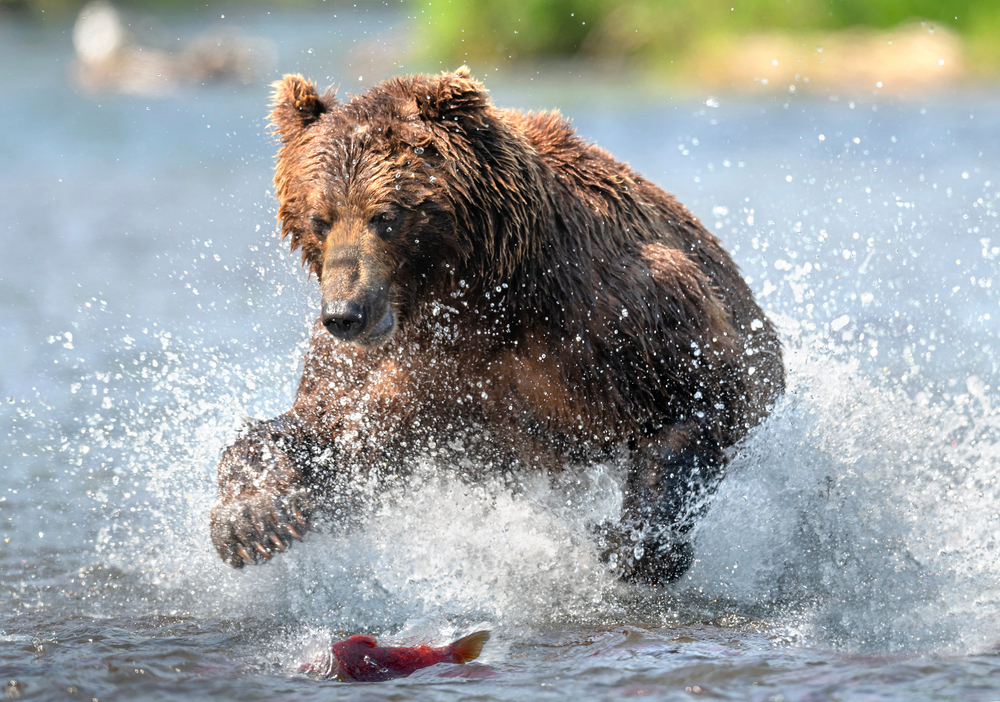
There are few wildlife experiences as powerful as standing on a remote Alaskan shoreline and watching a brown bear move through the landscape. The rhythm of its stride, the way it pauses to test the air, the splash of salmon in a nearby river. For wildlife photographers visiting the Kenai Peninsula, capturing Alaska bear photos is often the highlight of a lifetime.
However, photographing bears requires far more than a good camera and a steady hand. It demands awareness, preparation, and respect for wildlife behavior. Safe wildlife photography is not about getting closer. It is about positioning yourself intelligently, understanding the animal’s intent, and working with experienced guides who prioritize safety. Alaska West Air provides expert-led bear viewing trips that combine remote access with education and preparation, allowing photographers to focus on capturing extraordinary images without unnecessary risk.
Understanding Bear Behavior Before You Raise the Camera
Before any lens is lifted, understanding wildlife behavior is essential. Bears are not aggressive by default, but they are powerful and unpredictable if surprised or threatened. The difference between defensive and predatory behavior can influence how you respond in the field.
Defensive bears may display warning signals such as huffing, jaw popping, or bluff charging. These actions are often meant to create distance rather than initiate pursuit. Predatory behavior, though far less common, is typically quieter and more deliberate. A bear that follows at a distance or circles with focused attention requires immediate caution.
Alaska West Air integrates wildlife safety education into every trip. Guides brief clients on bear aggression cues before entering prime habitats. Understanding these encounter types ensures that photographers can remain calm and respond appropriately.
When you are calm, you make better decisions. That clarity allows you to compose your shot while maintaining safe positioning.
Use Distance and Optics to Your Advantage
One of the most important bear photography tips is simple: let your equipment do the work. Modern telephoto lenses are designed to capture intimate detail from a safe distance. A 300mm, 400mm, or longer lens allows photographers to fill the frame without encroaching on a bear’s personal space.
Staying back protects both you and the animal. Bears that feel crowded may alter their behavior, move away from feeding areas, or react defensively. Ethical wildlife photography prioritizes the animal’s natural movement and comfort.
On bear viewing trips with Alaska West Air, guides position groups strategically based on terrain, wind direction, and seasonal activity. Photographers are placed at vantage points that maximize visibility while maintaining safe separation.
This professional oversight is especially valuable in remote Southcentral Alaska locations where bears roam freely. Unlike roadside wildlife encounters, these backcountry settings require careful distance management.
Read the Environment as Much as the Bear
Safe wildlife photography involves more than watching the bear itself. The surrounding environment provides important clues. Wind direction can determine whether a bear detects human scent. Dense brush may limit visibility and increase the chance of surprise encounters.
Alaska West Air’s deep local knowledge of the Kenai Peninsula helps mitigate these risks. Guides understand how bears use coastal sedge meadows, salmon streams near Homer, and tidal flats accessible only by bush plane. Seasonal patterns influence feeding behavior and movement routes.
For example, during peak salmon runs, bears are often focused on fishing and may tolerate distant human presence more readily. However, sows with cubs require additional space and caution. Photographers benefit from knowing where to position themselves to capture Alaska bear photos without disrupting natural activity.
Remote access by bush plane also enhances safety. By flying into carefully selected wildlife hotspots, Alaska West Air avoids heavily trafficked areas where bears may already be stressed by crowds. The result is a quieter, more controlled experience.
Maintain Calm Body Language and Group Awareness
Bears are highly perceptive animals. Sudden movements, loud voices, or erratic behavior can trigger defensive responses. When photographing bears, slow and deliberate movement is key.
Remain upright and visible. Avoid crouching or hiding in ways that may confuse the bear about your shape. Keep camera adjustments smooth and minimize unnecessary repositioning.
Group awareness is equally important. Families and outdoor enthusiasts participating in bear viewing trips should stay together and follow guide instructions closely. Scattered individuals create unpredictable patterns that may concern wildlife.
Alaska West Air’s expert-led trips emphasize coordinated group behavior. Guides manage spacing, monitor bear reactions, and adjust positioning as needed. This structured approach ensures that every participant, from seasoned photographers to first-time visitors, operates within safe parameters.
By combining discipline with observation, photographers can capture compelling images while preserving a respectful distance.
Timing and Light for Exceptional Results
Photographing bears in Alaska is not only about safety. It is also about creating unforgettable images. Early morning and late evening light often provide the most dramatic conditions. Soft golden light enhances fur texture and highlights natural landscapes.
Guides with Alaska West Air understand how seasonal daylight patterns affect wildlife activity. During long summer days, bears may feed at various times, but certain windows consistently offer optimal photographic conditions.
Remote access ensures that photographers are positioned in prime habitats at the right moments. Bush planes allow efficient travel to locations inaccessible by road, opening opportunities for high-value experiences that cannot be replicated elsewhere.
Custom adventure packages also allow photographers to combine bear photography with fishing, hunting, or flightseeing. This flexibility enriches the overall journey while maintaining consistent safety standards.
For those seeking exceptional Alaska bear photos, the combination of timing, location, and professional guidance makes a measurable difference.
Why Professional Guidance Makes All the Difference
Wildlife photographers often pride themselves on independence, but bear country is not a place for improvisation. Professional guides bring situational awareness that cannot be learned overnight. They recognize subtle changes in posture or movement that may signal discomfort.
Alaska West Air’s commitment to education and safety transforms bear viewing trips into immersive learning experiences. Clients leave not only with stunning images but also with a deeper understanding of wildlife behavior.
For families and outdoor enthusiasts, this reassurance is invaluable. Parents can focus on capturing memories while guides ensure safe distances. Adventure travelers can explore remote terrain with confidence.
The combination of expert-led trips, remote access, and local knowledge creates a rare opportunity. Photographers gain access to pristine landscapes around Homer, Seward, and beyond without compromising safety.
Capture the Moment Without Compromising Respect
The thrill of photographing a bear in the wild is unmatched. Yet the most powerful images come from patience and distance rather than proximity. Safe wildlife photography protects both the photographer and the animal.
By understanding behavior, using proper equipment, reading the environment, and following experienced guidance, you can capture remarkable Alaska bear photos while preserving the integrity of the encounter.
Alaska West Air offers more than transportation into remote terrain. They provide education, preparation, and structured safety that elevate every trip. For those seeking bear photography tips rooted in real-world experience, their approach ensures that each image reflects both artistry and respect.
In the vast landscapes of the Kenai Peninsula, the opportunity to photograph bears responsibly is a privilege. With the right preparation and professional support, that privilege becomes a memory that lasts far beyond the click of the shutter.