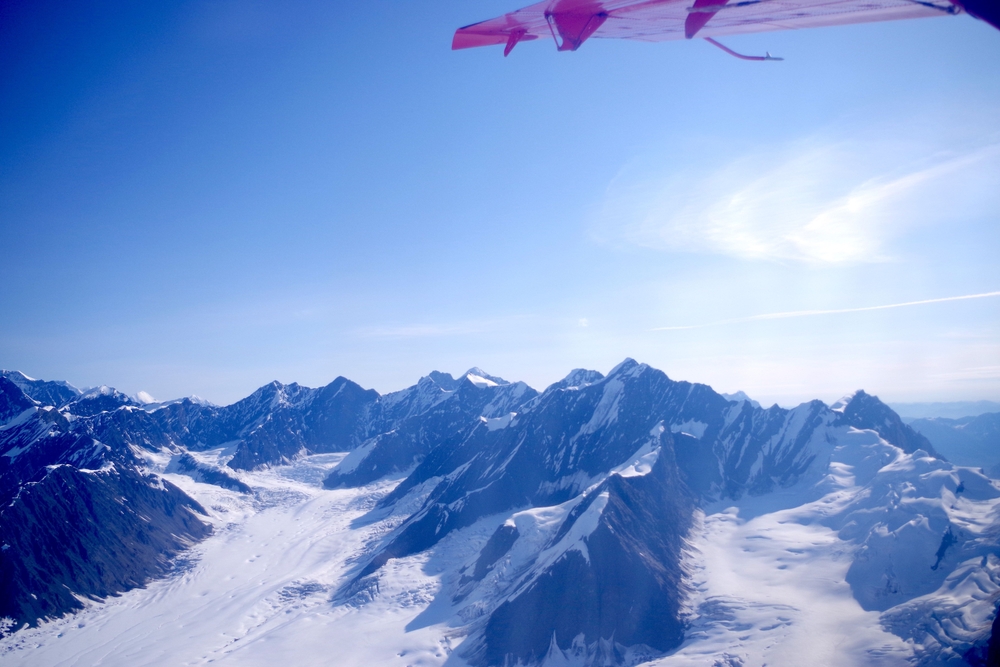
When it comes to exploring the world’s most breathtaking landscapes, few experiences compare to the perspective gained from the air. Scenic flightseeing offers travelers a unique vantage point that ground-based tours simply cannot match. Whether you’re seeking dramatic mountain vistas, pristine coastal views, or untouched wilderness, aerial tours provide access to remote locations and sweeping panoramas that define true adventure. This guide explores five remarkable scenic flightseeing routes that showcase why traveling by air unlocks some of Earth’s most spectacular destinations.
The Kenai Peninsula Marvel: Where Mountains Meet the Sea
The Kenai Peninsula in Alaska stands as one of North America’s most stunning aerial tour destinations. This region combines jagged peaks, turquoise glaciers, and abundant wildlife into a single breathtaking landscape. When you take a scenic flightseeing tour over the Kenai Peninsula, you witness nature’s grandeur from a perspective that ground travelers will never experience.
The aerial tours departing from Kenai, Alaska, typically begin by ascending over the Harding Icefield, a vast expanse of interconnected glaciers spanning nearly 700 square miles. From the air, you can observe the intricate patterns of crevasses, the brilliant blue of glacial lakes, and the stark beauty of ice-carved valleys. The flight path often continues toward Grewingk Glacier, where you might spot mountain goats clinging to impossibly steep slopes and bears fishing in crystalline streams below.
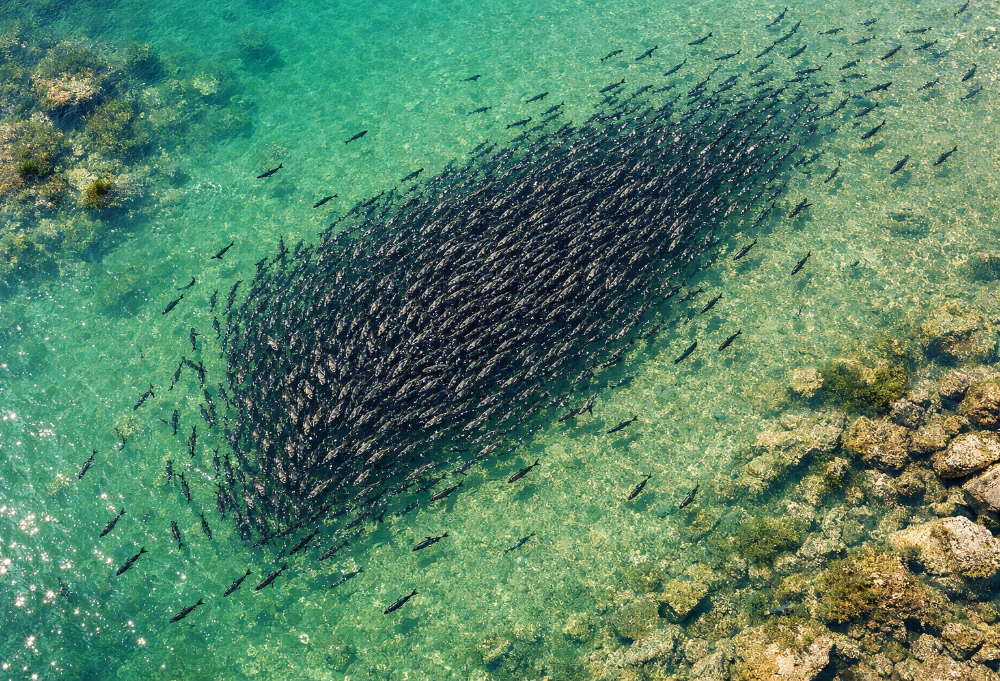
One of the most remarkable aspects of Kenai aerial tours involves the combination of geological wonders. Passengers witness the transition from coastal rainforests to alpine tundra within minutes. The Cook Inlet stretches beneath your aircraft, revealing beluga whales that appear as white specks against dark waters. During salmon runs, the waters transform into highways of migrating fish, creating a natural spectacle visible only from above. These scenic flightseeing routes showcase why the Kenai region attracts adventurers from around the globe.
Remote Fjords and Untouched Wilderness
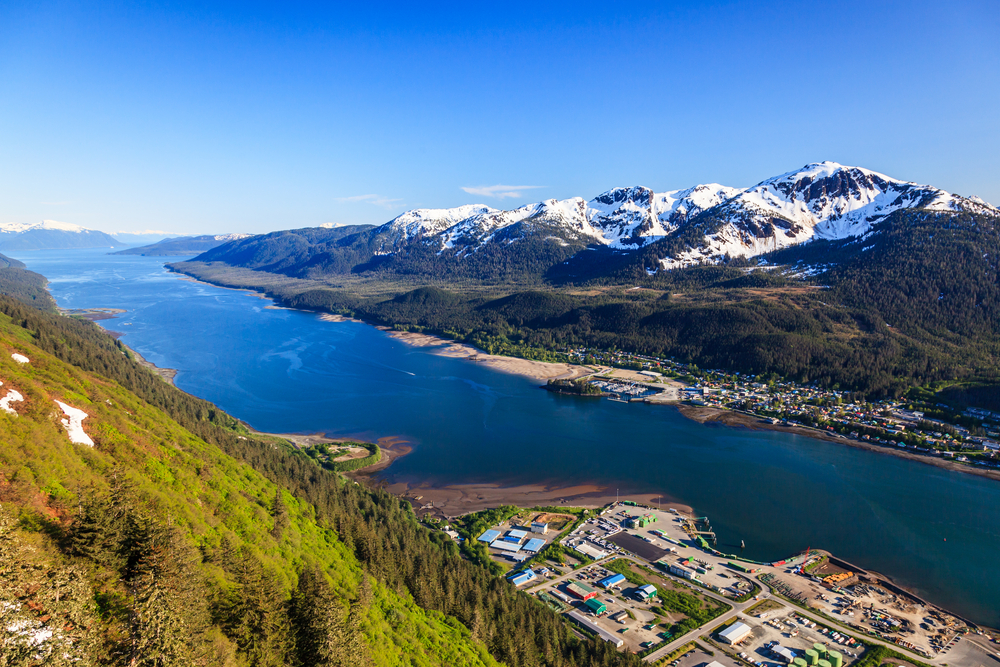
Beyond the Kenai Peninsula, Alaska’s remote fjords represent some of the most inaccessible yet visually stunning terrain on Earth. Scenic flightseeing routes that navigate these fjords reveal landscapes so pristine that they seem untouched by human presence. Aerial tours through Southeast Alaska’s Inside Passage showcase countless waterfalls cascading directly into saltwater channels, accessible only by aircraft or boat.
These flights often venture into areas where commercial development remains virtually nonexistent. You’ll observe tidewater glaciers calving massive icebergs into fjords, a dramatic process that creates thunderous booms echoing across valleys. The aerial perspective reveals the true scale of these geological processes. From ground level, a glacier appears impressive; from the air, you comprehend its overwhelming magnitude and power.
Wildlife viewing from these scenic flightseeing routes surpasses typical terrestrial safari experiences. Eagles nest on the highest peaks, their white heads visible against dark evergreens. Black bears fish in salmon streams that appear as silver threads winding through primeval forests. Sea otters float in protected coves, and occasionally, whales breach in offshore waters far below. The combination of solitude, pristine wilderness, and abundant wildlife creates an unforgettable aerial adventure that captures the essence of Alaska’s untamed character.
Fly-in Fishing: Adventure and Angling Combined
One specialized form of scenic flightseeing, known as fly-in fishing, combines aerial tours with world-class angling opportunities. Fly-in fishing in Alaska represents the ultimate adventure for those seeking remote trophy waters accessible only by aircraft. These specialized scenic flightseeing operations transport anglers to pristine backcountry streams and lakes where few humans have ever cast a line.
The journey itself becomes part of the adventure. As your floatplane or bush aircraft approaches remote fishing camps, you gain an aerial perspective of the watersheds and valleys below. You spot the actual fishing streams from above, observing their curves, pools, and structure before ever touching down. This aerial reconnaissance provides anglers with intelligence about water conditions, depth variations, and potential fish locations. The scenic flightseeing component transforms what might otherwise be a simple transportation method into an educational and thrilling experience.
Upon landing on pristine lakes or rivers, anglers access some of Alaska’s most productive fishing waters. Rainbow trout, char, and salmon species thrive in these remote locations precisely because they remain isolated from heavy fishing pressure. The combination of scenic flightseeing access and exceptional fishing creates a comprehensive adventure package. Participants experience both the visual majesty of untouched wilderness and the excitement of battling powerful fish in their native habitat. This hybrid experience represents a pinnacle achievement for outdoor enthusiasts seeking something beyond typical vacation activities.
Glacial Ice Fields and Aerial Photography
For photography enthusiasts, glacial ice field tours offer unparalleled opportunities to capture Earth’s most dramatic frozen landscapes. Scenic flightseeing routes that focus on glacial systems like the Harding Icefield provide dynamic compositions impossible to achieve from ground level. Pilots skilled in scenic flightseeing operations understand ideal lighting angles, seasonal variations, and prime photography windows that optimize the visual impact of their tours.
The interplay of light and shadow across glacial crevasses creates patterns of extraordinary complexity and beauty. Turquoise meltwater pools dot the ice surface, creating jewel-like spots of color against white and blue expanses. The aerial perspective reveals how glaciers function as dynamic systems, with evidence of their movement visible in the surface striations and stress patterns. Time-lapse comparisons of glacial photography taken from year to year demonstrate the retreat patterns that concern climate scientists but fascinate photographers seeking to document our changing planet.
Scenic flightseeing operators who specialize in glacial tours coordinate timing with optimal lighting conditions, often scheduling early morning or late afternoon flights when slanting sunlight enhances visual drama. Professional photography packages sometimes include flights with open-door photography opportunities, allowing cameras to capture unobstructed imagery. These aerial perspectives contribute significantly to public understanding and appreciation of glacial systems, raising awareness about environmental change through visceral visual documentation.
Northern Lights and Seasonal Aurora Tours
While many associate scenic flightseeing with daytime adventures, nighttime aurora tours represent a specialized variation that provides unmatched northern lights viewing opportunities. Scenic flightseeing routes designed for aurora photography take advantage of the aircraft’s ability to navigate above cloud layers and pursue optimal viewing positions as the northern lights dance across the sky.
Aurora viewing from aircraft provides several advantages over ground-based observation. If clouds obscure the lights at lower elevations, aircraft can climb above the cloud cover to find clear skies. The altitude provides expansive horizons in all directions, revealing aurora displays that stretch across the entire sky rather than confined segments visible from ground level. Professional pilots experienced in aurora scenic flightseeing understand how to position aircraft to maximize views while maintaining safety and comfort for passengers.
These specialized scenic flightseeing tours operate seasonally, typically from September through March when darkness provides adequate time for aurora activity and viewing. The combination of altitude, freedom of movement, and professional expertise creates aurora viewing experiences that exceed what ground-based tours can offer. For many visitors to Alaska, witnessing the northern lights while suspended in an aircraft beneath the dancing green curtains of aurora represents the fulfillment of a lifelong dream.
Conclusion
Scenic flightseeing transforms travel from passive observation into active exploration of Earth’s most magnificent landscapes. Whether you choose the glaciers and wildlife of the Kenai Peninsula, remote fjord systems, specialized fly-in fishing adventures, glacial photography expeditions, or aurora tours, aerial perspectives reveal natural wonders that simply cannot be appreciated any other way. These five routes represent just a fraction of the extraordinary scenic flightseeing opportunities available, particularly in Alaska’s vast wilderness. By taking to the skies, adventurers gain not just photographs and memories, but fundamentally transformed perspectives on the natural world’s grandeur and power.
Flying over pristine Alaska waterways offers an unparalleled opportunity to witness salmon and trout populations from a bird’s-eye view. Aerial fish spotting has become an increasingly popular technique among serious anglers who understand the advantages of surveying large water systems quickly. Whether you are planning fly out fishing trips or simply curious about fish behavior in their natural habitat, learning to identify salmon and trout schools from above can dramatically improve your fishing success. This guide explores the science and practical skills behind spotting salmon from air and locating trout schools through aerial reconnaissance.
Understanding Fish Behavior in Clear Water
The foundation of successful aerial fish spotting begins with understanding how salmon and trout behave in different water conditions. Clear water fish are far easier to detect from above than their counterparts in murky rivers and streams. When light penetrates the water column, the contrast between fish bodies and the surrounding water becomes visible from aircraft altitude. Salmon typically swim in coordinated groups, which makes them easier to spot than solitary fish species. Trout from above appear as distinct shadows or silhouettes, depending on water depth and clarity.
Fish visibility depends heavily on water temperature and clarity. During spring and early summer, glacial melt can temporarily reduce visibility in many Alaska waterways. However, late summer through early fall provides some of the best conditions for aerial fish spotting. At this time, water levels drop and clarity improves significantly. The sun angle also matters considerably. Morning and afternoon light at lower angles enhances shadows and makes fish shapes more pronounced. Midday sun reflecting off water surfaces can actually reduce visibility because of glare and surface reflection.
Understanding seasonal fish movements helps aerial spotters predict where schools will congregate. Salmon migrate toward spawning grounds as summer progresses, typically following deeper channels and congregating near river mouths during the first phase of their upstream journey. Trout populations often move to deeper pools and shade structures as temperatures warm. Experienced fly out fishing trip guides know exactly where to direct pilots based on the calendar and recent water conditions.
The Role of Aircraft and Altitude in Fish Detection
The type of aircraft you use for fly out fishing flights significantly impacts your ability to spot salmon from air. Float planes offer unique advantages because pilots can adjust their altitude and approach angle more freely than fixed-wing aircraft. Helicopters provide the ultimate flexibility, allowing spotters to hover and examine specific water sections closely. However, most fly-out fishing flights use traditional float planes or bush planes because they balance cost, safety, and spotting efficiency.
Altitude plays a crucial role in fish visibility. Flying too high, above 1000 feet, reduces your ability to distinguish individual fish from debris, shadows, or water disturbances. Conversely, flying too low, below 200 feet, creates excessive wind disturbance and startles fish schools, causing them to scatter before you can adequately assess their location and size. The ideal altitude for aerial fish spotting typically ranges between 300 and 800 feet, depending on water clarity and light conditions.
Speed also matters considerably during spotting operations. Approaching a river system too quickly prevents your eyes from processing details in the water below. Professional spotters request that pilots slow to about thirty to forty miles per hour when actively surveying promising sections. This reduced speed allows for careful observation and gives pilots time to execute sharp turns when interesting formations or disturbances appear. Communication between spotter and pilot becomes essential during these operations.
Reading Water Patterns and Fish Signs
Experienced anglers know that reading water requires both terrestrial and aerial skills. From above, certain water patterns indicate the presence of fish schools. Darker patches in otherwise lighter water often indicate groups of salmon or trout, particularly in clear water systems. These darker areas result from the combined shadows of multiple fish bodies concentrated in specific zones. Swirling patterns and slight surface disturbances frequently mark where fish are actively feeding or resting.
Tailout areas, where water shallows as it moves downstream, frequently concentrate fish during migration periods. These zones appear visually distinct from above because of changing water color and texture. Deeper pools, identifiable by their darker water appearance, attract both salmon and trout, especially during warming periods. Confluence areas, where tributaries meet main river channels, create distinctive visual markers that reliably hold fish.
Oxygen levels influence where fish congregate in rivers. Areas with faster current provide better oxygenation, making them attractive to salmon and trout during warmer months. From above, you can identify these faster-flowing sections by their lighter appearance and turbulent surface patterns. Slower pools may appear inviting but sometimes have insufficient oxygen during peak summer temperatures.
Reading log jams, rock formations, and vegetation also provides clues about likely fish locations. Fish congregate in areas with cover and current breaks. Fallen trees create shade and current disturbances that fish exploit. Large boulders slow water and create eddies where fish rest while conserving energy. Overhanging vegetation offers shade and insect productivity, attracting feeding fish. All these features become visible from aircraft altitude and help spotters predict where fish schools will concentrate.
Techniques for Systematically Scanning Rivers
Successful aerial fish spotting requires a systematic approach to river scanning. Many anglers waste time randomly flying over water and missing concentration areas. Instead, professional spotters use a grid pattern, working methodically from upstream to downstream sections. This approach ensures you examine every promising area while tracking seasonal fish movement patterns.
Start by identifying the deepest pools and most complex structure first. These areas typically hold the largest concentrations of fish. Move progressively toward shallower areas and simpler structure. Taking notes on fish locations and school sizes helps you develop a mental map of the river system. By the time you land and begin actually fishing, you will know exactly where the most promising areas exist.
Light conditions require adjusting your scanning technique throughout the day. Morning and evening provide optimal lighting for casting shadows that reveal fish positions. Midday requires flying slightly lower and adjusting your aircraft angle to avoid glare. Many experienced guides plan their fly out fishing flights to coincide with these optimal lighting windows, typically early morning or late afternoon.
Patience during the spotting phase pays enormous dividends once you reach the water. Taking time to thoroughly examine each section prevents wasting valuable fishing time in unproductive areas. Communicating with your pilot about specific areas of interest allows for multiple passes over promising zones, giving you confidence about fish presence before committing to specific fishing locations.
Translating Aerial Observations Into Fishing Success
The final step in aerial fish spotting involves translating your observations into concrete fishing strategy. Mark your GPS coordinates at spotted locations before landing. This prevents confusion once you are at water level and unable to see the broader landscape context. Photograph or sketch the terrain features surrounding your spotted fish schools.
When you reach the water, reference your aerial observations to navigate to spotted locations. Trout from above may have appeared as small shadows, but on the water they become fully visible fish that will respond to your presentation. Clear water fish prove less selective than you might expect once you get your fly in front of them from the proper angle.
Remember that fish move constantly. Your aerial spotting provided a snapshot at a specific moment. If you arrive at a previously spotted location and find no fish, check slightly upstream or downstream. Fish migrate continuously along rivers, especially during their spawning runs.
Conclusion
Spotting salmon from air combines science, patience, and practical technique. Learning to read clear water fish, understanding how altitude and aircraft choice affect visibility, and developing systematic scanning methods transforms fly out fishing trips into efficient, successful expeditions. Alaska’s pristine waterways reward spotters who invest time learning these skills. Whether you are pursuing trout from above or tracking salmon migrations, aerial fish spotting elevates your fishing success significantly.
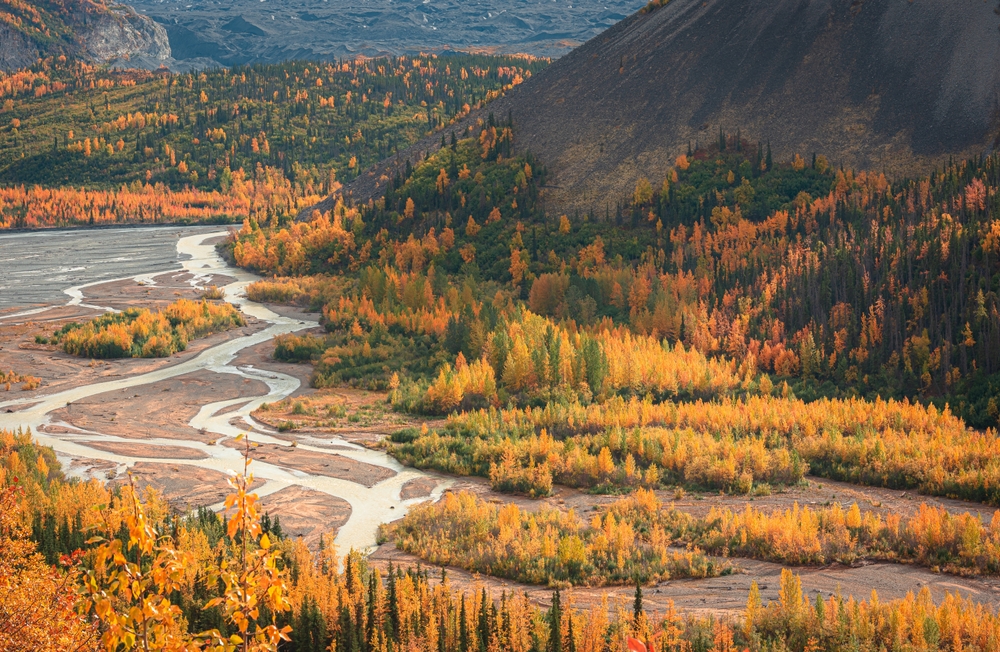
September in Alaska often goes unnoticed when travelers think about the best times to experience the state’s wild beauty. Most people consider June, July, and August as the peak season for exploration, yet September carries its own magic. As summer fades into autumn, the landscape transforms into a painter’s masterpiece of golden birch, red tundra, and deep evergreen hues. For those booking Alaska air charters, this seasonal shift offers a unique visual feast that feels far removed from the bustling high-summer crowds. The clarity of the skies in September also enhances scenic charter flights, giving passengers unspoiled views of mountain ranges, glaciers, and winding rivers. September’s charm lies in its balance of lingering warmth and the crisp freshness of approaching winter, making it a sweet spot for adventurers who crave both solitude and splendor.
September also marks the transition of wildlife behavior. Moose enter their rutting season, caribou travel across vast distances, and bears continue foraging before hibernation. Passengers on Alaska air charters often witness these events from a bird’s-eye view, adding another layer of richness to the journey. It is a time when the human presence is smaller but the wilderness presence feels larger, giving the impression that the state is offering itself more intimately to those who visit.
Ideal Weather and Flying Conditions
Another reason September is underrated for scenic charter flights is the favorable flying conditions. Summer may bring long days, but it can also include haze from wildfires, occasional storms, and high visitor traffic that limits spontaneity. By contrast, September skies are frequently clearer, and cooler temperatures reduce the likelihood of heavy smoke. These conditions make Alaska air charters during this month particularly rewarding for photography and sightseeing. Mountains such as Denali often appear crisper against a blue sky, glaciers shine brighter, and reflections on lakes and fjords are more vivid without the summer haze.
Flying in September also tends to be smoother in terms of passenger experience. The air is less turbulent than in mid-summer, meaning scenic charter flights can offer more comfortable rides. Pilots often note that autumn provides some of the best visibility for navigating mountain passes and coastal routes. Travelers who may be concerned about motion sickness often find September flights easier to enjoy, allowing them to focus on the view rather than the ride. For aviation enthusiasts, September also provides a chance to witness Alaska’s skies in a transitional season, when weather patterns shift but still remain friendly for charter operations.
A Quieter, More Intimate Experience
Perhaps one of the greatest advantages of planning Alaska air charters in September is the quieter atmosphere. With summer tourism tapering off, popular destinations such as Denali, the Kenai Peninsula, and the Inside Passage are less crowded. This gives travelers more flexibility in customizing their scenic charter flights, whether they want to circle above glaciers, fly over wild coastlines, or land in remote villages that feel untouched by modern time. Without the pressure of peak-season demand, charter companies can often accommodate special requests more easily, creating a tailor-made adventure that feels deeply personal.
The quieter experience also extends to the air itself. During the height of summer, Alaska’s small airports and airstrips are buzzing with activity as charters, bush planes, and sightseeing flights compete for space. In September, the pace slows, which means fewer delays and more opportunities for spontaneous diversions. If wildlife appears or weather allows for a special detour, pilots often have greater freedom to adjust routes. Passengers benefit from an atmosphere of calm and exclusivity, making each scenic charter flight feel more like a private exploration of the last frontier than a scheduled tour.
Seasonal Highlights and Special Sights
September is also when Alaska reveals spectacles that can’t be experienced in midsummer. One of the most breathtaking is the aurora borealis, or northern lights. By late August and throughout September, longer nights bring the first strong displays of auroras across the skies. Passengers on Alaska air charters scheduled for evening flights may catch glimpses of this natural wonder, and those who plan trips combining scenic charter flights with overnight stays in remote lodges often have prime opportunities for viewing. The combination of fall colors during the day and dancing lights at night makes September truly distinctive.
Beyond the aurora, this is also prime time for wildlife encounters from above. Scenic charter flights over coastal areas can still spot whales making their way south, while inland routes highlight moose, bears, and even packs of wolves moving across tundra valleys. The changing colors of the landscape provide striking contrasts when viewed from the air. Glacial ice often appears even bluer against the red tundra, while golden treelines create natural borders around lakes and rivers. For photographers, September’s palette is unmatched, and charter flights give access to angles and compositions impossible to achieve from the ground.
Value and Accessibility in the Shoulder Season
Another underrated advantage of September travel is the value it offers. As the peak season ends, many operators of Alaska air charters adjust pricing, making this period more accessible for travelers who may have been deterred by high summer rates. Lodges, hotels, and even connecting tours also reduce prices, so scenic charter flights can often be paired with comprehensive travel experiences at a fraction of the summer cost. This allows travelers to extend their stay, explore more regions, or invest in premium charter options without stretching their budget.
September’s accessibility is not just about cost but also about availability. With fewer travelers competing for reservations, last-minute bookings become more realistic, giving adventurers the flexibility to plan around weather forecasts or sudden impulses to explore. This freedom is rare in midsummer, when flights and accommodations are often booked months in advance. For those who thrive on spontaneity or prefer not to be bound by rigid itineraries, September provides a liberating window of opportunity.
Conclusion
September remains one of Alaska’s best-kept secrets for exploration by air. While many overlook it in favor of the high-summer months, those who choose this time discover a state in transition, where fall colors, active wildlife, and the first auroras combine to create an unforgettable atmosphere. The weather conditions favor scenic charter flights, offering clear skies and smooth journeys. The quieter season allows for intimate and flexible adventures, while the value of traveling in the shoulder season makes the experience accessible to more people. Ultimately, Alaska air charters in September are not just flights across dramatic landscapes but also opportunities to see the state in its most profound and peaceful form. For travelers who want to go beyond the ordinary and witness Alaska with both clarity and calm, September is a month that deserves far more recognition.
When travelers think of Alaska, they often imagine towering glaciers, whales breaching in summer waters, and northern lights dancing in winter skies. Yet fall is one of the most enchanting times to explore the state from above. Alaska flightseeing tours in autumn provide an experience that is both fleeting and unforgettable, with the tundra glowing in deep reds and golds, the boreal forests shimmering with yellow birch and aspen, and snow-dusted mountains offering dramatic contrasts. Unlike the summer, when the sun lingers endlessly in the sky, fall brings a shifting light that transforms the landscape hour by hour. Aerial tours allow adventurers to witness this fleeting beauty in its most expansive form, offering a perspective that reveals the immensity of the wilderness and the seasonal transitions occurring across the land.
Flying over Alaska during autumn is unlike any other time of year. The crisp air enhances visibility, so passengers see sharply defined ridgelines, glacial rivers, and valleys dotted with lakes reflecting the changing skies. The combination of clear skies and the first hints of winter snowfall creates a dramatic stage where golden forests sit at the feet of icy peaks. This duality of warmth and chill, vibrance and stillness, captures the essence of Alaska’s seasonal shift and makes fall aerial views a favorite for those who want to experience the state’s landscapes in their purest form.
Golden Landscapes from Above
September and October are brief but extraordinary months in Alaska. The state’s immense boreal forests ignite with shades of amber, saffron, and crimson. Seen from the window of a small plane, entire valleys seem to glow as if lit from within. The tundra, which at ground level can appear as a carpet of low shrubs and mosses, becomes a living tapestry of ruby and orange when viewed from above. This bird’s-eye perspective reveals just how vast and interconnected Alaska’s ecosystems are, with rivers weaving through forests and lakes catching the low autumn sun like pools of liquid light.
Alaska flightseeing tours during this time provide more than just beauty. They offer a lesson in geography and ecology. Guides often point out the way glaciers feed rivers that carve valleys, or how mountain passes create microclimates where autumn colors arrive earlier or linger longer. From the air, it is easy to see how quickly the landscape changes across just a few miles, from golden birch groves to alpine tundra already kissed with frost. These sweeping views underscore the immensity of Alaska’s wilderness, where the only roads are rivers and the only boundaries are mountain ranges. For photographers and nature lovers, the golden landscapes of fall are a fleeting but unparalleled subject.
Snow-Dusted Peaks and the Promise of Winter
As autumn deepens, snow begins to fall on the higher elevations, tracing the jagged ridges of Alaska’s peaks with white. The juxtaposition of golden valleys and frosted summits is one of the most striking scenes imaginable. These snow-dusted peaks signal the changing of the seasons, and when viewed from an aircraft, the contrasts become breathtaking. The Chugach Mountains near Anchorage, the Alaska Range near Denali, and the Brooks Range farther north all transform into layered canvases of color and texture. Valleys filled with yellow aspens sit beneath ridges already blanketed in early snow, creating a dynamic visual narrative of transition.
The first snowfall also enhances the fall aerial views by adding definition to the rugged terrain. The white outlines of ridgelines and glaciers make the shapes of the mountains more distinct, giving passengers a clear appreciation of their scale. For many travelers, seeing Denali in autumn, its slopes brushed with snow and its base encircled by golden tundra, is a once-in-a-lifetime sight. The sight of wildlife trails winding through valleys, visible against the snow, is another reward. Moose, caribou, and bears can often be spotted from above, moving through landscapes that are preparing for the long winter ahead. These glimpses remind viewers that Alaska is a land of constant change, where seasons shift quickly and dramatically.
Experiencing Flightseeing Tours in Fall
Booking Alaska flightseeing tours in autumn offers a different rhythm than in summer. With fewer tourists, flights often feel more intimate, giving travelers the chance to connect with pilots and guides who share their deep knowledge of the land. The cooler weather brings stability to the air, which can make flights smoother and visibility clearer. The shorter days also mean that tours can capture the best light for photography without requiring late nights or early mornings. The golden hour, that magical time when sunlight softens and colors deepen, lingers longer in autumn, casting a glow over mountains, glaciers, and rivers.
Flightseeing itineraries vary depending on the region. Near Anchorage, passengers might circle over the Turnagain Arm, where tidal flats shimmer with reflections of the sky and mountain slopes glow with fall foliage. In Denali National Park, flights reveal the grandeur of North America’s tallest peak surrounded by a patchwork of tundra in fiery colors. In Southeast Alaska, aerial views highlight fjords lined with yellow and orange forests, set against the dark waters of the Inside Passage. Each region offers its own version of fall’s magic, and no matter where the tour departs, the combination of golden landscapes and snow-dusted peaks ensures a journey that captures the season’s fleeting beauty.
Travelers should prepare for autumn conditions by dressing warmly, even if the sun is shining. The crisp air outside translates into cool cabin temperatures inside small planes. Bringing a good camera with a polarizing filter helps capture the vibrant contrasts of fall, though many simply sit back and absorb the views without distraction. Because the season is short, booking early ensures the best chance to experience the peak colors before winter arrives. Whether a first-time visitor or a returning traveler, the intimacy and grandeur of fall flightseeing leave a lasting impression.
Why Fall Flightseeing Stands Apart
While summer brings endless days and winter offers the aurora borealis, fall occupies a unique place in Alaska’s seasonal calendar. It is a time of balance, when warmth and cold, light and shadow, color and snow coexist in perfect harmony. The landscapes visible from above reflect this balance, with valleys ablaze in autumn hues beneath peaks preparing for the silence of winter. The air is crisp, the light golden, and the wilderness seems to hold its breath in anticipation of the freeze to come.
Alaska flightseeing tours in the fall capture a kind of drama not present in other seasons. The rapid changes in weather mean that a single flight can showcase multiple moods, from sunlight spilling across glowing forests to clouds breaking to reveal freshly dusted peaks. For those seeking a truly authentic encounter with Alaska’s wild beauty, fall provides a perspective that is both intimate and immense. Unlike the height of summer tourism, autumn flights feel more personal, allowing travelers to immerse themselves in the solitude and stillness that define the state’s character.
Conclusion
Fall in Alaska is a season of transformation, and the best way to grasp its scale is from the sky. Through Alaska flightseeing tours, travelers can witness golden landscapes stretching for miles, snow-dusted peaks rising into crisp skies, and wildlife moving through a world on the cusp of winter. The fall aerial views reveal contrasts that ground travel alone cannot capture, offering a panorama of color, texture, and light that is fleeting but unforgettable. While summer and winter each hold their allure, autumn stands apart as a moment when Alaska’s landscapes embody both vitality and rest, both brilliance and quiet. For anyone seeking to experience the heart of the Last Frontier, there may be no better time than fall, and no better way than flightseeing.
Alaska, often referred to as “The Last Frontier,” is a land of vast landscapes, towering mountains, pristine waters, and untamed wilderness. While it’s famous for its rugged beauty and outdoor adventures, there’s one experience that stands out above all others: flightseeing. Whether you’re an adrenaline junkie or simply someone looking to experience the majesty of nature from a new perspective, Alaska flightseeing is a must-do. With panoramic views of glaciers, wildlife, and majestic peaks, it’s an unforgettable way to connect with the state’s wild, untamed beauty.
The Unique Appeal of Alaska’s Wilderness from the Sky
When it comes to exploring Alaska, the typical methods of transportation—like hiking or driving—only scratch the surface of what the state has to offer. The sheer scale of Alaska’s terrain is difficult to comprehend, and while many visitors enjoy the state by foot, bike, or boat, there’s no better way to witness its full grandeur than from above. Flightseeing in Alaska offers an unparalleled view of towering mountain ranges, sprawling glaciers, and expansive national parks that are inaccessible by traditional means.
From the cockpit of a small aircraft, you’re able to peer down upon sweeping valleys carved by ancient glaciers, alpine lakes that glisten like jewels, and forests that stretch endlessly to the horizon. As your plane glides over the wilderness, you get the chance to witness the vastness of the Alaskan landscape in its full, awe-inspiring glory. The views are often described as humbling—almost as if you’re a part of the landscape itself, floating above the trees and mountains, with no boundaries between you and the wild.
Flightseeing is especially popular in Alaska’s iconic regions, such as Denali National Park, the Kenai Peninsula, and the Wrangell-St. Elias National Park. These areas offer some of the most dramatic and diverse landscapes in the world, making them prime spots for air tours.
The Kenai Peninsula: A Flightseeing Paradise
Among the most popular destinations for Alaska flightseeing is the Kenai Peninsula, located just south of Anchorage. Known for its rugged coastlines, lush forests, and abundant wildlife, the Kenai Peninsula is a nature lover’s paradise. Flying over this area offers a unique opportunity to see everything from towering volcanoes to icy fjords.
Kenai air tours are particularly famed for their breathtaking aerial views of the Kenai Mountains and the stunning turquoise waters of the Kenai Fjords. The fjords themselves are created by the dramatic meeting of glaciers and the sea, and from the sky, their beauty is enhanced even further. The contrast of the deep blue waters with the white and gray ice creates a striking visual that’s simply impossible to replicate from the ground.
In addition to the natural wonders, flightseeing in the Kenai Peninsula also allows you to see some of Alaska’s most famous wildlife, including bears, moose, and bald eagles. The Kenai Peninsula is home to a rich diversity of animals, and from the sky, you may spot herds of caribou, packs of wolves, and flocks of migrating birds, all while experiencing the thrill of flying over one of the most stunning landscapes in the world.
Aerial Views of Alaska’s Majestic Glaciers
One of the highlights of any Alaska flightseeing adventure is the opportunity to view the state’s numerous glaciers up close. These massive rivers of ice have carved much of Alaska’s landscape, and their sheer size and beauty are best appreciated from the sky. From towering glaciers that stretch for miles to smaller, more intricate ice formations, the glaciers of Alaska are a sight to behold.
Aerial views of glaciers provide a new perspective, revealing the complexity of these frozen landscapes. You can see the deep crevasses, icefalls, and towering ice cliffs that are often hidden from view on the ground. Many flightseeing tours take you over famous glaciers such as the Harding Icefield in Kenai Fjords National Park or the Matanuska Glacier in the Chugach Mountains. These glaciers, surrounded by rugged mountain ranges and sparkling blue lakes, are a photographer’s dream, offering stunning opportunities for aerial photography.
Perhaps the most iconic of Alaska’s glaciers is the mighty Mendenhall Glacier, located near Juneau. From the air, you can appreciate the full extent of this enormous glacier, which spans over 12 miles and is fed by the Juneau Icefield. Flying over glaciers allows you to witness their sheer scale in a way that is impossible from the ground, making it one of the top reasons why flightseeing in Alaska is an experience that should not be missed.
A Flightseeing Adventure for Every Type of Traveler
Alaska flightseeing tours cater to a wide range of interests and preferences, making them suitable for all types of travelers. Whether you’re looking for a thrilling aerial adventure or a more serene and leisurely flight, there’s something for everyone in Alaska.
For those seeking a heart-pumping experience, flightseeing tours over Denali National Park offer the chance to fly in close proximity to North America’s tallest mountain, Denali. The sight of the massive peak, rising 20,310 feet above sea level, is awe-inspiring from any angle, but seeing it from the air is truly a once-in-a-lifetime experience. Many tours also include flybys of glaciers, pristine lakes, and even wildlife such as moose and caribou, making the experience even more memorable.
If you’re looking for something more tranquil, there are also scenic air tours that focus on the serenity of the Alaskan wilderness. These tours may take you over quiet alpine lakes, dense forests, and coastal fjords, allowing you to appreciate the peaceful beauty of Alaska from a calm vantage point. In many cases, the flights are smooth and gentle, offering a relaxing way to enjoy the breathtaking scenery without the rush of an adrenaline-fueled adventure.
Whether you’re after adventure or tranquility, Alaska flightseeing offers a wide range of options for every type of traveler. The combination of breathtaking views and the freedom of flight makes it an experience that stays with you long after you’ve returned to solid ground.
Unmatched Photography Opportunities
For photographers, Alaska flightseeing provides some of the most incredible photo opportunities on the planet. Whether you’re a professional photographer or an amateur enthusiast, the aerial views of Alaska’s wilderness are sure to capture your imagination.
The unique lighting in Alaska, especially during the summer months when the sun sets late into the evening, creates striking contrasts between shadows and highlights, making the landscapes even more dramatic. From the air, you can capture sweeping panoramic shots of glaciers, mountains, and valleys, as well as close-up shots of wildlife in their natural habitats. The opportunity to photograph Alaska’s untouched wilderness from above is one of the primary reasons why so many visitors choose to book flightseeing tours.
In addition to the natural beauty, flightseeing tours often take you to remote locations that are not accessible by foot or road. These areas remain pristine and untouched, offering photographers the chance to capture the rugged beauty of Alaska without the interference of human activity. The resulting images are not just photographs—they’re memories frozen in time, representing an experience that is truly one of a kind.
The Ultimate Way to Experience Alaska
Flightseeing in Alaska is more than just a way to see the state—it’s a way to immerse yourself in its grandeur. From the rugged mountains to the vast glaciers and coastal fjords, flying above Alaska allows you to experience its wilderness in a way that is truly unique. Whether you’re marveling at the beauty of the Kenai Peninsula or soaring over the icy expanses of Denali National Park, there’s no better way to take in the full scope of this incredible place.
For anyone visiting Alaska, flightseeing should be at the top of the list of must-do activities. It’s an experience that offers a new perspective on one of the most awe-inspiring regions of the world, and one that will stay with you long after your feet are back on solid ground. So, if you’re planning your Alaskan adventure, don’t miss the chance to soar above the wilderness and take in the views that can only be found from the sky.