

Spotting Schools of Salmon or Trout From Above | Alaska West Air
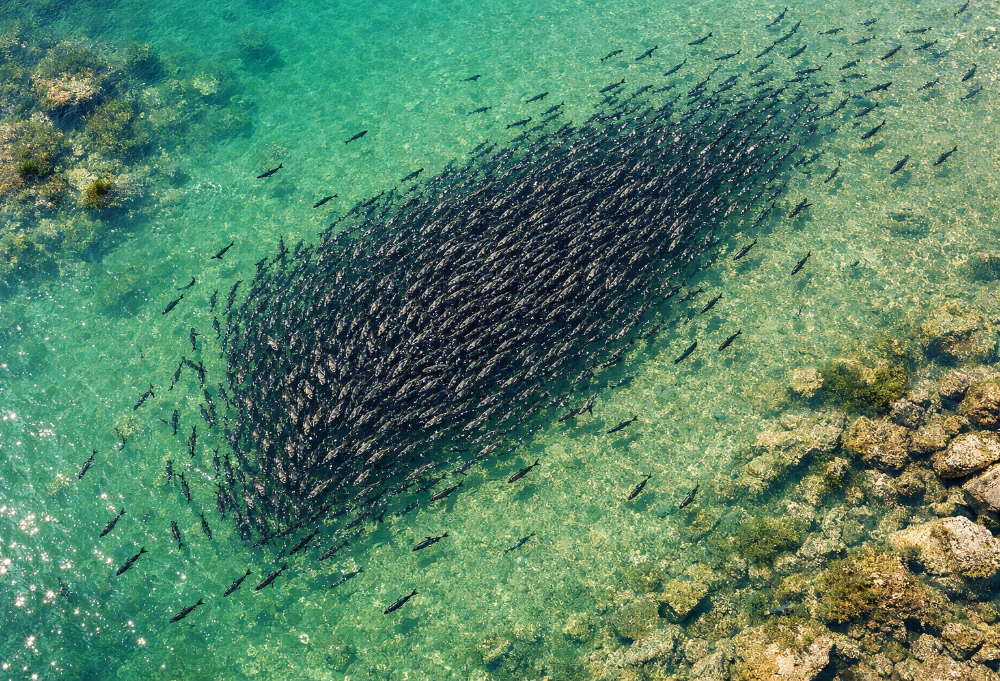
Flying over pristine Alaska waterways offers an unparalleled opportunity to witness salmon and trout populations from a bird’s-eye view. Aerial fish spotting has become an increasingly popular technique among serious anglers who understand the advantages of surveying large water systems quickly. Whether you are planning fly out fishing trips or simply curious about fish behavior in their natural habitat, learning to identify salmon and trout schools from above can dramatically improve your fishing success. This guide explores the science and practical skills behind spotting salmon from air and locating trout schools through aerial reconnaissance.
Understanding Fish Behavior in Clear Water
The foundation of successful aerial fish spotting begins with understanding how salmon and trout behave in different water conditions. Clear water fish are far easier to detect from above than their counterparts in murky rivers and streams. When light penetrates the water column, the contrast between fish bodies and the surrounding water becomes visible from aircraft altitude. Salmon typically swim in coordinated groups, which makes them easier to spot than solitary fish species. Trout from above appear as distinct shadows or silhouettes, depending on water depth and clarity.
Fish visibility depends heavily on water temperature and clarity. During spring and early summer, glacial melt can temporarily reduce visibility in many Alaska waterways. However, late summer through early fall provides some of the best conditions for aerial fish spotting. At this time, water levels drop and clarity improves significantly. The sun angle also matters considerably. Morning and afternoon light at lower angles enhances shadows and makes fish shapes more pronounced. Midday sun reflecting off water surfaces can actually reduce visibility because of glare and surface reflection.
Understanding seasonal fish movements helps aerial spotters predict where schools will congregate. Salmon migrate toward spawning grounds as summer progresses, typically following deeper channels and congregating near river mouths during the first phase of their upstream journey. Trout populations often move to deeper pools and shade structures as temperatures warm. Experienced fly out fishing trip guides know exactly where to direct pilots based on the calendar and recent water conditions.
The Role of Aircraft and Altitude in Fish Detection
The type of aircraft you use for fly out fishing flights significantly impacts your ability to spot salmon from air. Float planes offer unique advantages because pilots can adjust their altitude and approach angle more freely than fixed-wing aircraft. Helicopters provide the ultimate flexibility, allowing spotters to hover and examine specific water sections closely. However, most fly-out fishing flights use traditional float planes or bush planes because they balance cost, safety, and spotting efficiency.
Altitude plays a crucial role in fish visibility. Flying too high, above 1000 feet, reduces your ability to distinguish individual fish from debris, shadows, or water disturbances. Conversely, flying too low, below 200 feet, creates excessive wind disturbance and startles fish schools, causing them to scatter before you can adequately assess their location and size. The ideal altitude for aerial fish spotting typically ranges between 300 and 800 feet, depending on water clarity and light conditions.
Speed also matters considerably during spotting operations. Approaching a river system too quickly prevents your eyes from processing details in the water below. Professional spotters request that pilots slow to about thirty to forty miles per hour when actively surveying promising sections. This reduced speed allows for careful observation and gives pilots time to execute sharp turns when interesting formations or disturbances appear. Communication between spotter and pilot becomes essential during these operations.
Reading Water Patterns and Fish Signs
Experienced anglers know that reading water requires both terrestrial and aerial skills. From above, certain water patterns indicate the presence of fish schools. Darker patches in otherwise lighter water often indicate groups of salmon or trout, particularly in clear water systems. These darker areas result from the combined shadows of multiple fish bodies concentrated in specific zones. Swirling patterns and slight surface disturbances frequently mark where fish are actively feeding or resting.
Tailout areas, where water shallows as it moves downstream, frequently concentrate fish during migration periods. These zones appear visually distinct from above because of changing water color and texture. Deeper pools, identifiable by their darker water appearance, attract both salmon and trout, especially during warming periods. Confluence areas, where tributaries meet main river channels, create distinctive visual markers that reliably hold fish.
Oxygen levels influence where fish congregate in rivers. Areas with faster current provide better oxygenation, making them attractive to salmon and trout during warmer months. From above, you can identify these faster-flowing sections by their lighter appearance and turbulent surface patterns. Slower pools may appear inviting but sometimes have insufficient oxygen during peak summer temperatures.
Reading log jams, rock formations, and vegetation also provides clues about likely fish locations. Fish congregate in areas with cover and current breaks. Fallen trees create shade and current disturbances that fish exploit. Large boulders slow water and create eddies where fish rest while conserving energy. Overhanging vegetation offers shade and insect productivity, attracting feeding fish. All these features become visible from aircraft altitude and help spotters predict where fish schools will concentrate.
Techniques for Systematically Scanning Rivers
Successful aerial fish spotting requires a systematic approach to river scanning. Many anglers waste time randomly flying over water and missing concentration areas. Instead, professional spotters use a grid pattern, working methodically from upstream to downstream sections. This approach ensures you examine every promising area while tracking seasonal fish movement patterns.
Start by identifying the deepest pools and most complex structure first. These areas typically hold the largest concentrations of fish. Move progressively toward shallower areas and simpler structure. Taking notes on fish locations and school sizes helps you develop a mental map of the river system. By the time you land and begin actually fishing, you will know exactly where the most promising areas exist.
Light conditions require adjusting your scanning technique throughout the day. Morning and evening provide optimal lighting for casting shadows that reveal fish positions. Midday requires flying slightly lower and adjusting your aircraft angle to avoid glare. Many experienced guides plan their fly out fishing flights to coincide with these optimal lighting windows, typically early morning or late afternoon.
Patience during the spotting phase pays enormous dividends once you reach the water. Taking time to thoroughly examine each section prevents wasting valuable fishing time in unproductive areas. Communicating with your pilot about specific areas of interest allows for multiple passes over promising zones, giving you confidence about fish presence before committing to specific fishing locations.
Translating Aerial Observations Into Fishing Success
The final step in aerial fish spotting involves translating your observations into concrete fishing strategy. Mark your GPS coordinates at spotted locations before landing. This prevents confusion once you are at water level and unable to see the broader landscape context. Photograph or sketch the terrain features surrounding your spotted fish schools.
When you reach the water, reference your aerial observations to navigate to spotted locations. Trout from above may have appeared as small shadows, but on the water they become fully visible fish that will respond to your presentation. Clear water fish prove less selective than you might expect once you get your fly in front of them from the proper angle.
Remember that fish move constantly. Your aerial spotting provided a snapshot at a specific moment. If you arrive at a previously spotted location and find no fish, check slightly upstream or downstream. Fish migrate continuously along rivers, especially during their spawning runs.
Conclusion
Spotting salmon from air combines science, patience, and practical technique. Learning to read clear water fish, understanding how altitude and aircraft choice affect visibility, and developing systematic scanning methods transforms fly out fishing trips into efficient, successful expeditions. Alaska’s pristine waterways reward spotters who invest time learning these skills. Whether you are pursuing trout from above or tracking salmon migrations, aerial fish spotting elevates your fishing success significantly.