
Why Floatplane Travel Is the Best Way to Explore Alaska’s Backcountry
Alaska stands as one of the world’s most pristine and remote wilderness destinations, yet accessing its most stunning landscapes has historically presented significant challenges. Floatplane travel offers a revolutionary solution to this problem, providing adventurers and nature enthusiasts with unparalleled access to the state’s breathtaking backcountry. This guide explores why floatplane travel represents the ultimate way to experience Alaska’s untamed beauty, from the rugged Kenai Peninsula to remote glacier-fed lakes that few travelers ever witness.
The Unmatched Accessibility of Floatplane Adventures
One of the most compelling reasons to choose floatplane travel for Alaska exploration is the remarkable accessibility it provides. Traditional ground transportation in Alaska faces severe limitations due to the state’s vast size and sparse infrastructure. Roadways remain underdeveloped across much of the state, and many of the most spectacular destinations lie completely inaccessible by vehicle or foot.
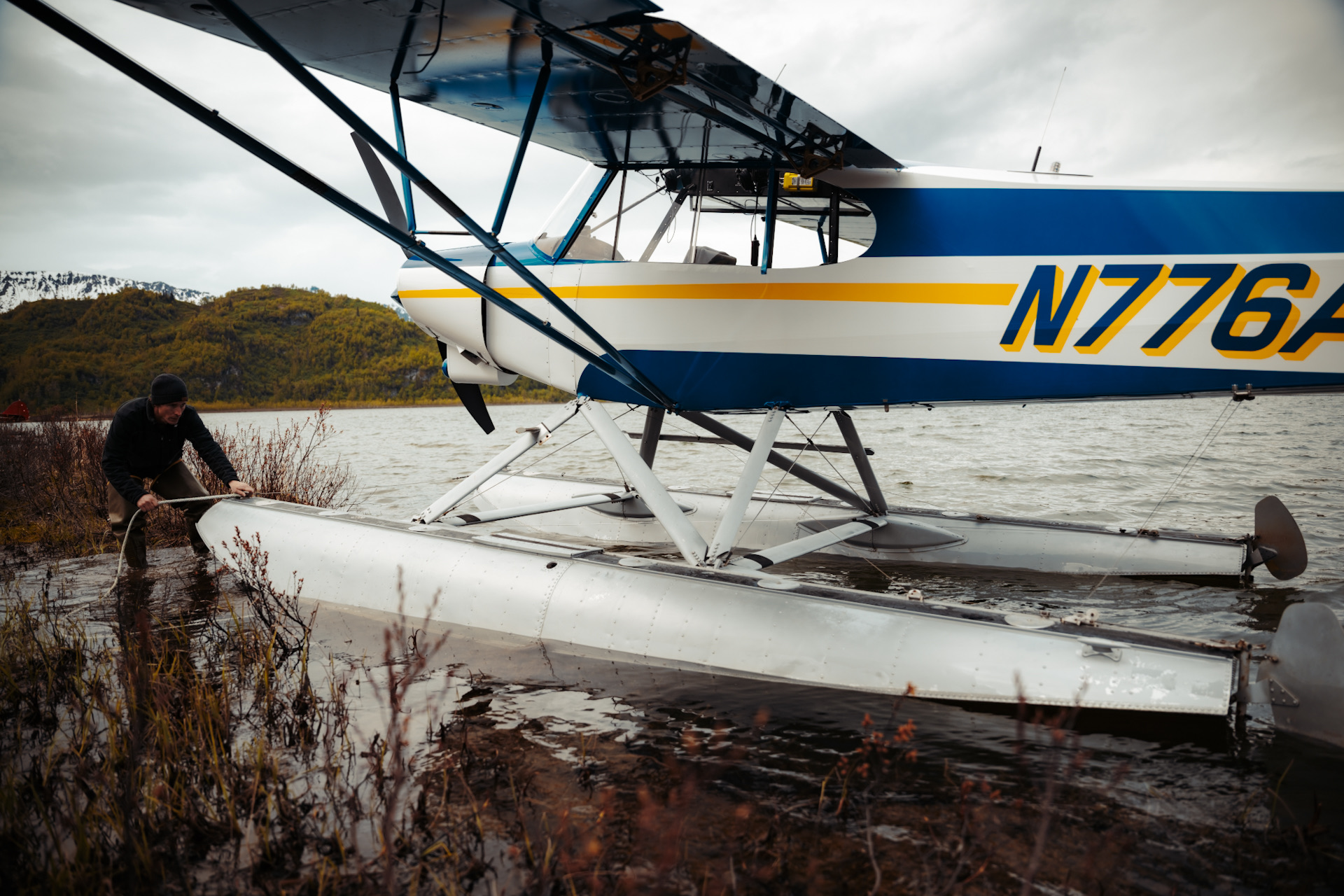
Floatplanes eliminate these geographical barriers by landing directly on Alaska’s countless lakes, rivers, and coastal waters. This unique capability means you can reach remote fishing lodges, untouched wilderness areas, and stunning natural attractions that would require weeks of hiking or expensive helicopter tours to access otherwise. The floatplane industry has developed robust networks throughout Alaska, with operators based in Juneau, Ketchikan, Anchorage, and other regional hubs ready to transport visitors to their chosen destinations.
A typical Alaska backcountry flight from a major city like Juneau can have you landing on a pristine mountain lake within just one hour. Compare this to the days or weeks of challenging backcountry hiking that would be required to reach the same locations on foot. For travelers with limited vacation time, floatplane access transforms what would be an impossible expedition into a feasible day trip or weekend adventure.
Cost-Effective Exploration of Remote Destinations
Many people assume that floatplane travel in Alaska represents an expensive luxury available only to wealthy travelers. However, this misconception overlooks the true cost-effectiveness of floatplane tours when compared to alternative options for backcountry exploration. Several factors contribute to the surprising affordability of floatplane adventures.
First, floatplanes reduce the need for expensive multi-day backpacking expeditions. Instead of purchasing weeks of supplies and equipment for a lengthy backcountry trek, you can take a day trip via floatplane. This eliminates substantial costs associated with food, camping gear, and emergency supplies. Kenai Peninsula floatplane tours, in particular, offer excellent value because the region supports numerous operators, which creates competitive pricing.
Second, floatplanes provide direct access that minimizes the need for guide services and support staff. While backcountry expeditions often require experienced guides to navigate safely through remote terrain, many floatplane tours operate with minimal staffing, keeping costs lower. This efficiency translates directly to savings for customers.
Third, the time savings inherent in floatplane travel often justify the expense in practical terms. A destination that would require four days of hiking becomes reachable in a four-hour total trip including flight time. This efficiency allows you to experience multiple locations during a single vacation rather than committing your entire trip to reaching one destination.
Group discounts and package deals further enhance the value proposition of floatplane travel. Many operators offer reduced rates for larger parties, making Alaska backcountry flights increasingly affordable for families and organized tour groups.
Unparalleled Scenic Views and Photography Opportunities
Alaska’s landscapes are internationally renowned for their dramatic beauty, and floatplane travel offers perhaps the finest vantage point for experiencing and photographing these spectacular scenery. Flying at relatively low altitudes, typically between one thousand and five thousand feet, floatplanes provide intimate aerial perspectives that reveal the true scale and majesty of Alaska’s wilderness.
During a floatplane journey, you witness the full context of Alaska’s geography in a way that ground-based travel cannot replicate. You see how massive glaciers carve through mountain valleys, how turquoise meltwater flows into pristine lakes, and how dense rainforests transition into alpine tundra. The aerial perspective reveals ecological patterns and natural features invisible to travelers on the ground.
Photography enthusiasts find floatplane travel particularly rewarding. The large windows and stable flight characteristics of floatplanes make it possible to capture professional-quality images of bears fishing in rivers, moose standing in wilderness lakes, and dramatic coastal landscapes. The changing light throughout the day creates constantly evolving photographic opportunities as you traverse different elevations and terrain types.
Wildlife observation also improves dramatically from the air. Floatplane travelers regularly spot brown bears, moose, Dall sheep, and marine mammals like whales and sea otters. From the air, these animals appear in their natural habitats, undisturbed and engaging in natural behaviors. Ground-based wildlife watching requires tremendous patience and luck, while floatplane travel offers reliable wildlife viewing opportunities.
Comfort and Safety Standards in Modern Floatplane Operations
Modern floatplane operators in Alaska maintain remarkably high standards of comfort and safety, dispelling outdated perceptions of bush flying as a risky or uncomfortable endeavor. Today’s floatplanes feature pressurized cabins, modern avionics, and reliability ratings equal to or exceeding conventional aircraft.
Floatplane pilots operating in Alaska receive extensive specialized training for water landings, emergency procedures, and navigation in challenging weather conditions. The industry maintains rigorous safety protocols and regular maintenance schedules that exceed federal requirements. Many operators have compiled perfect safety records spanning decades of operations.
Passenger comfort has also improved significantly in recent years. While floatplane cabins are more compact than commercial airliners, modern aircraft feature comfortable seating, climate control, and smooth flight characteristics that make even longer flights pleasant experiences. Headsets with intercom systems allow passengers to communicate with pilots and learn detailed information about the landscape passing below.
Safety features specifically designed for water operations include flotation devices, emergency beacons, and comprehensive pre-flight briefings. Floatplane operators take their responsibility for passenger safety with the utmost seriousness, and the statistics bear this out. Alaska’s floatplane industry maintains safety records that exceed those of many ground-based activities.
Creating Unforgettable Memories in Alaska’s Pristine Wilderness
Ultimately, floatplane travel in Alaska creates transformative experiences that remain with travelers for the rest of their lives. The combination of accessibility, stunning natural beauty, wildlife encounters, and adventure creates memories that static photographs and descriptions simply cannot capture.
Whether you are fishing for trophy salmon in remote rivers, exploring untouched glaciers, or simply immersing yourself in pristine wilderness, floatplane travel delivers experiences of profound personal significance. Many travelers describe their floatplane adventures in Alaska as life-changing journeys that fundamentally altered their perspective on nature and wilderness conservation.
The social dimension of floatplane travel enhances these experiences further. Sharing the journey with a small group of fellow travelers creates camaraderie and deepens the sense of adventure. These connections often result in lasting friendships formed through shared appreciation of Alaska’s wild beauty.
Conclusion
Floatplane travel stands as the optimal method for experiencing Alaska’s backcountry wilderness. By providing unmatched accessibility to remote locations, competitive pricing compared to alternative adventures, spectacular photographic opportunities, high safety and comfort standards, and the potential for truly unforgettable experiences, floatplane tours represent an investment in memories that will endure for decades. Whether you venture to the Kenai Peninsula, remote Arctic lakes, or pristine coastal regions, floatplane travel transforms Alaska from a distant dream into an accessible and achievable adventure.