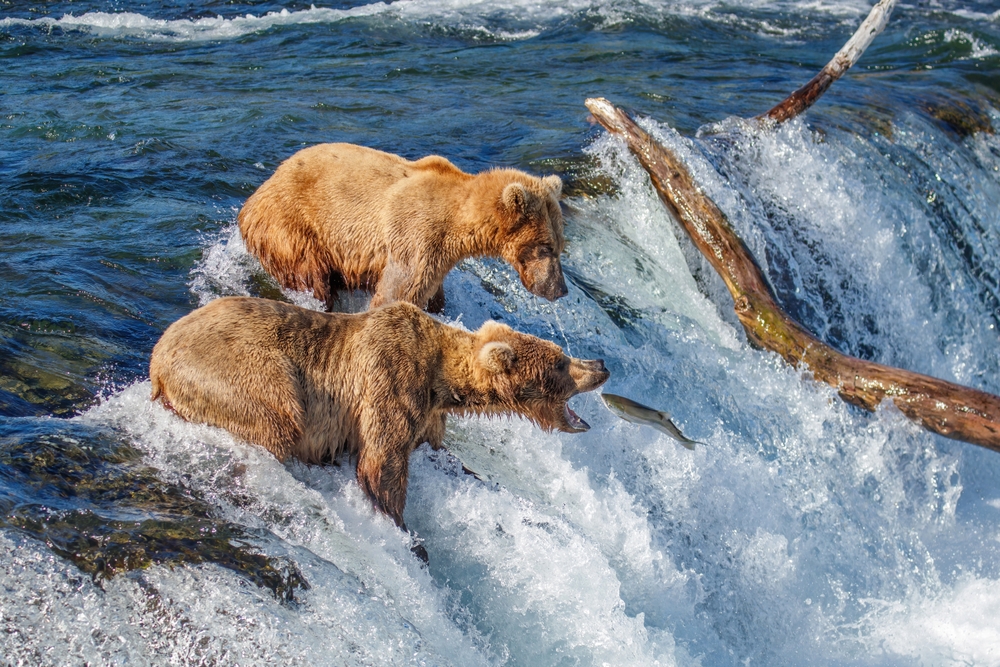
When exploring the wilderness of North America, especially in regions like Alaska and the Rocky Mountains, one of the most iconic and awe-inspiring animals you might encounter is the bear. Among these, the brown bear and the grizzly bear are often confused with one another. Many people wonder if they are different species or merely different names for the same creature. Understanding the distinctions between them is crucial for wildlife enthusiasts, hikers, and anyone spending time in bear country. In this guide, we break down the key aspects of brown bear vs grizzly identification, covering everything from physical traits to habitat and behavior.
The Terminology: Brown Bear vs Grizzly
The first thing to know in this wildlife comparison is that the term “grizzly bear” refers to a specific subspecies of the brown bear (Ursus arctos). All grizzlies are brown bears, but not all brown bears are grizzlies. The primary difference between the two lies in their geography and environment. Grizzly bears are typically found inland, such as in Montana, Wyoming, and the interior of Alaska. Brown bears, in a broader sense, are generally those that live along the coast of Alaska and British Columbia.
The name “grizzly” was inspired by the bear’s grizzled fur, which is typically darker with lighter tips, giving it a slightly frosted look. Coastal brown bears, on the other hand, tend to be larger and more uniformly brown due to a richer diet provided by their access to marine resources like salmon. This variation in appearance and lifestyle has led to a widely accepted distinction, especially in popular and scientific discussions about bear identification.
Physical Features and Bear Size Differences
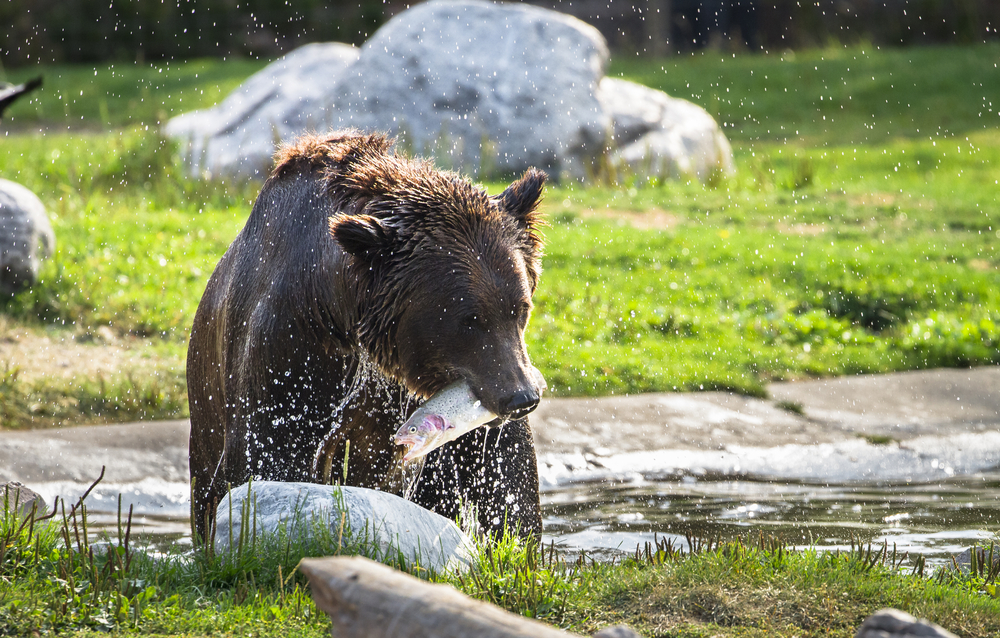
One of the most noticeable aspects when comparing brown bear vs grizzly is their size. Brown bears that live along coastal regions tend to be much larger than their inland grizzly cousins. This difference is largely due to their diet. Coastal brown bears feast on a high-calorie diet of fish, particularly salmon, which supports greater body mass. In contrast, grizzlies living inland rely on a more varied but less calorie-dense diet of berries, roots, insects, and occasional meat.
Coastal brown bears can weigh anywhere from 800 to 1,200 pounds, with some exceptional males tipping the scales at over 1,500 pounds. Grizzlies are generally smaller, weighing between 400 and 800 pounds. However, it is important not to rely solely on weight for bear identification, as individual size can vary greatly depending on age, sex, and the season.
Besides size, both bears share many physical traits, such as a prominent shoulder hump made of muscle, short rounded ears, a concave facial profile, and long front claws. Grizzlies often appear more compact and muscular with darker fur and more pronounced grizzling. Their claws are typically longer and straighter, aiding in digging for roots and small prey, while coastal brown bears may have slightly curved claws more adapted to fishing.
Habitat Differences Across Alaska and Beyond
Habitat plays a central role in distinguishing these bears. The term “brown bear” is most often used for bears inhabiting coastal areas of Alaska, Kodiak Island, and parts of British Columbia. These bears live in environments rich in food sources, especially fish from rivers and streams. The abundance of high-fat food along the coast supports larger body size and denser populations.
Grizzly bears, on the other hand, are typically found in interior and mountainous regions. Their habitats include alpine meadows, tundra, forests, and valleys. They tend to range more widely and occupy larger territories due to the scarcity of high-energy food sources. In regions like Yellowstone National Park or Glacier National Park, grizzlies can often be seen foraging alone in wide open spaces, covering miles in search of sustenance.
Understanding where a bear lives can provide helpful context when trying to identify it. If you are near the coast of Alaska or British Columbia and see a very large bear fishing in a stream, chances are high you are looking at a coastal brown bear. If you are hiking in the Rocky Mountains or Denali’s interior terrain and spot a smaller, solitary bear digging in the soil, it is likely a grizzly.
Behavioral Differences Between Brown and Grizzly Bears
Behavioral differences also support the distinction between these two types of bears. Coastal brown bears, due to the abundant food supply, often tolerate being in closer proximity to other bears. This is especially evident during salmon spawning season when several bears may be seen fishing in the same area with relatively low aggression.
In contrast, grizzly bears tend to be more solitary and can be more aggressive, especially when food is scarce. They are also more defensive of their personal space and young. The lower food availability in inland regions creates more competition, making grizzlies more territorial and assertive. This behavioral trait is important for hikers and outdoor enthusiasts to recognize, as encounters with grizzlies require extra caution and a deep respect for their space.
Both types of bears hibernate during the winter, but their patterns may differ slightly depending on regional climate. For example, grizzlies in colder mountain regions may enter hibernation earlier and emerge later than coastal brown bears. Their denning habits and locations can also vary based on terrain and environmental needs.
Importance of Accurate Bear Identification
Accurate bear identification is important for both safety and conservation. Understanding whether you are encountering a brown bear or a grizzly can influence how you react, how you report sightings, and how researchers collect data about bear populations and behavior.
For safety, knowing that grizzlies are generally more territorial and reactive can help you make better decisions when hiking or camping in bear country. Carrying bear spray, making noise while hiking, and securing food properly are all essential practices, but being able to distinguish between species adds another layer of awareness.
From a conservation perspective, both grizzly and brown bears face threats from habitat loss, human interaction, and climate change. Grizzlies in the contiguous United States are listed as a threatened species under the Endangered Species Act, while many brown bear populations in Alaska are more stable due to the protected and resource-rich environments. Recognizing these differences can help support responsible wildlife management and education efforts.
Conclusion
The debate over brown bear vs grizzly is not just about semantics. It reflects real differences in habitat, behavior, and physical characteristics that are shaped by geography and ecology. While both animals belong to the same species, the term “grizzly bear” has come to represent inland populations with distinct traits and challenges, while “brown bear” usually refers to their coastal, larger, and often better-fed relatives.
Whether you are exploring the wilderness of Alaska, hiking the Rockies, or simply learning about wildlife comparison, understanding these subtle but important differences will enrich your appreciation for one of North America’s most iconic creatures. By learning to identify brown bears vs grizzly bears through factors such as size, fur color, habitat, and behavior, you can engage more thoughtfully with nature and support efforts to protect these remarkable animals.
Winter casts a unique spell across the natural world. As temperatures drop and snow blankets landscapes, wildlife behaviors change in captivating ways. Across the globe, different cultures have developed rituals, festivals, and traditions that celebrate the intimate connection between winter and the animal kingdom. From symbolic tales passed down for generations to modern-day conservation practices, these celebrations reveal humanity’s enduring respect for the creatures that brave the harshest season of the year. Alaska’s bear country, with its breathtaking wilderness and iconic species, holds a special place in this mosaic of global traditions. This blog explores how winter wildlife traditions around the world shape cultural identity and environmental awareness, while also highlighting the majestic experience of Alaska bear viewing.
Japan’s Reverence for Winter Cranes
In Japan, winter is closely associated with the graceful red-crowned crane, or “tancho,” a bird that symbolizes longevity, fidelity, and good fortune. These cranes are particularly celebrated in the snowy regions of Hokkaido, where they gather in open fields, their striking black and white plumage contrasting beautifully against the white landscape. Locals and tourists alike flock to sanctuaries such as the Kushiro Marsh to witness these elegant creatures during the coldest months.
The red-crowned crane is more than just a visual marvel; it holds a sacred place in Japanese culture. Traditional origami, especially the folding of a thousand paper cranes (“senbazuru”), is deeply linked to wishes for peace and healing. This practice becomes especially poignant during winter festivals, where cranes are honored as messengers between the earthly and spiritual realms. These events often include storytelling, dance, and art installations that pay tribute to the resilience of wildlife during the season of scarcity.
By intertwining winter and wildlife into spiritual and aesthetic traditions, Japanese culture promotes an ethos of coexistence and reverence for the natural world that is deeply rooted in both Shinto and Buddhist beliefs. The red-crowned crane’s presence during winter serves as a gentle reminder of the beauty and fragility of life, even in the coldest times.
Scandinavia’s Mythical Beasts and Arctic Fauna
The icy realms of Scandinavia have long inspired mythologies where wildlife plays central roles. Reindeer, wolves, and owls are not only physical inhabitants of the northern tundra but also feature prominently in Norse legends and Sami traditions. Winter solstice festivals in countries like Sweden, Norway, and Finland are often interwoven with tales of transformation, survival, and the mystery of the animal world.
In Sami culture, the indigenous people of northern Scandinavia, reindeer are not merely symbolic; they are essential to daily life. During winter, reindeer migrations are tracked and respected, and their behavioral patterns guide seasonal rhythms. The Sami celebrate this connection through joik (traditional songs), clothing adorned with animal motifs, and ceremonies that reflect their close relationship with the Arctic environment.
The wolf, often misunderstood, also holds dual meaning in Norse tradition. While feared as a predator, it is also respected as a symbol of loyalty and strength. Winter stories such as those involving the mythological wolf Fenrir reflect the darker, introspective aspects of the season, when nature’s power is at its most raw. These myths, coupled with modern wildlife preservation efforts, illustrate a culture where the stark beauty of winter wildlife inspires both awe and introspection.
Russian Folklore and the Winter Bear
Russia’s vast landscape and brutal winters have produced a wealth of folklore centered on powerful animals, especially the bear. Unlike in Alaska, where bears hibernate through winter, the Russian bear continues to live vividly in stories told throughout the long cold nights. The bear is often depicted as a wise, cunning, or even magical creature, sometimes representing the Russian spirit itself.
Traditional Russian celebrations around winter often feature animal-inspired themes in puppet shows, plays, and dances. The figure of “Medved” (bear) is a popular character in Russian fairy tales and is celebrated in rural festivals that mark the transition between the old and new year. These festivities typically include costumed parades, where participants dress as various woodland creatures, bringing the forest to life in villages and towns.
Winter wildlife traditions in Russia are more than entertainment; they reflect an ancient worldview in which humans and animals share a symbiotic relationship. This connection is being revitalized through nature reserves and ecotourism programs that highlight native species like lynx, elk, and wolves. Through folklore and conservation, the bear and other animals remain central to the country’s cultural and ecological identity.
Alaska’s Bear Country: A Unique Winter Perspective
Alaska, often referred to as the Last Frontier, is home to some of the most iconic bear populations in the world. Although most bears hibernate during the harshest months, Alaska bear viewing is still a significant part of the cultural and ecological conversation year-round. In the months leading up to winter, brown and grizzly bears engage in a frenzy of foraging, known as hyperphagia, preparing for their months-long slumber. This pre-hibernation period is a highlight for wildlife enthusiasts and photographers alike.
Communities near bear habitats, such as those in Katmai and Lake Clark National Parks, embrace these creatures as symbols of wild strength and resilience. Local traditions and educational programs often emphasize the importance of respecting bear territory and preserving their habitats. These efforts are supported by a network of conservationists, park rangers, and indigenous voices who recognize the cultural and environmental importance of these animals.
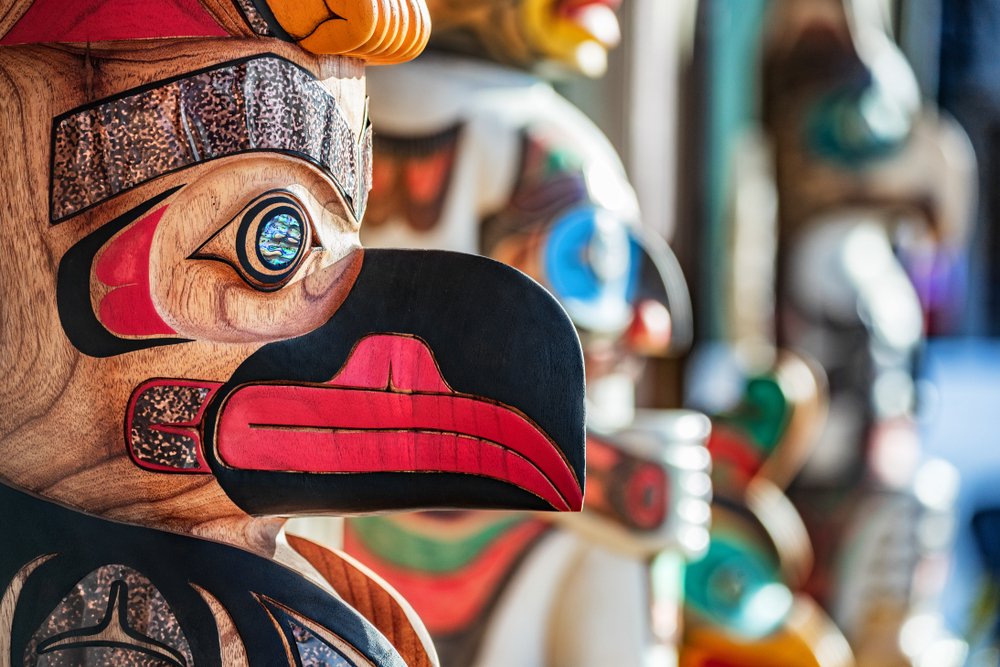
Even during winter, the bear remains a powerful figure in Alaskan art and storytelling. Indigenous cultures such as the Tlingit and Yup’ik often depict bears in their totem carvings and seasonal tales. These stories reinforce the importance of balance between human activity and wildlife survival. Winter, far from rendering bears irrelevant, transforms them into symbols of mystery and endurance.
Alaska bear viewing is not limited to in-person experiences. During the winter months, live camera feeds from bear dens and virtual tours allow people to witness these magnificent creatures in their natural environments. This digital connection helps maintain public interest in bear conservation while offering insight into the unseen lives of hibernating wildlife.
Winter Wildlife in North America Beyond Alaska
Elsewhere in North America, winter wildlife traditions vary widely but are united by a common reverence for animals that adapt and thrive in cold environments. In Canada, indigenous cultures such as the Inuit and Cree have long held winter ceremonies that incorporate the presence of Arctic foxes, caribou, and snowy owls. These animals are not only sources of sustenance but are viewed with spiritual respect and integrated into oral histories and rituals.
In the lower 48 states of the United States, winter birdwatching festivals attract thousands each year. Sandhill cranes in New Mexico and bald eagles in Iowa and Washington are celebrated with events that blend scientific education with local heritage. These festivals often take place in January or February, when wildlife visibility is high and community interest in nature is rekindled after the holiday season.
Appalachian and Midwestern winter folklore also includes references to animals as weather predictors or moral guides. The tradition of Groundhog Day, for instance, has its roots in older European customs that connected wildlife behavior to seasonal changes. While whimsical in modern context, these traditions point to a long history of human dependence on and observation of the natural world during winter.
The integration of wildlife into winter traditions across North America reflects an evolving relationship with nature. Increasing awareness about climate change and habitat loss has led to a resurgence in community-based conservation efforts. Celebrating winter wildlife is becoming a way to reconnect with local environments and advocate for sustainable practices.
Conclusion
Across continents and cultures, winter brings about a time of introspection, resilience, and deepened connection with the natural world. From the revered red-crowned cranes of Japan to the mythic bears of Russia and the awe-inspiring ecosystems of Alaska’s bear country, winter wildlife traditions reveal the profound impact animals have on human stories and seasonal rituals. Alaska bear viewing stands as a testament to this enduring relationship, offering a front-row seat to nature’s cycles of survival and renewal.
By honoring these traditions and supporting conservation efforts, we continue to learn from the animals that survive and even thrive in the coldest months. These stories, rooted in centuries of observation and imagination, remind us that winter is not a time of silence but of rich, unseen activity. As snow blankets the earth and animals move through their seasonal rhythms, so too do cultures around the world find meaning, wisdom, and inspiration in winter’s wild inhabitants.
When people think of holiday giving, they often picture wrapped boxes under a tree, donations to charities, or sharing meals with family. While all of these are important and meaningful, there’s another form of giving that is less tangible but arguably more transformative: the gift of understanding. Cultural empathy, the ability to understand and share the feelings of someone from a different background, is a profound outcome of meaningful travel. Especially during the winter months, Alaska offers a unique setting for travelers seeking this kind of experience. Alaska travel experiences are not just about awe-inspiring landscapes and wildlife; they are also about connecting with people whose ways of life are shaped by snow-covered lands, long nights, and traditions rooted in resilience.
Traveling through Alaska’s winter wilderness invites visitors to slow down, adapt, and engage more deeply with the environment and the communities that thrive there. These experiences open the door to personal growth and a broader perspective on the world. In a time when many are focused on material exchange, the opportunity to cultivate empathy may be the most valuable gift of all.
Lessons in Simplicity and Resilience from Alaska’s Native Cultures
Alaska is home to diverse Indigenous communities whose cultures have evolved over thousands of years in close harmony with the natural world. During winter, life in rural Alaska is governed by both extreme cold and strong communal ties. Visitors who venture beyond popular destinations like Anchorage and Juneau into smaller villages or remote lodges have the opportunity to witness a different way of life, one grounded in simplicity, cooperation, and respect for nature.
Spending time with Native Alaskan communities reveals how their survival is interwoven with the land, not just physically but spiritually. Traditional knowledge about hunting, fishing, and crafting, passed down through generations, speaks to a deep relationship with the environment. Observing or participating in these cultural practices fosters an appreciation for the values of patience, interdependence, and stewardship.
These immersive Alaska travel experiences challenge visitors to let go of their fast-paced routines and reconsider what it means to live well. Cultural empathy begins to grow as travelers recognize that success and fulfillment are measured differently in other communities. The holidays, typically a season of consumption, become instead a time for learning from others and honoring their stories.
Shared Cold, Shared Stories: How Winter Connects Strangers
There is something uniquely bonding about braving the cold together. Alaska’s winter has a way of stripping life down to its essentials, and in that raw simplicity, human connection flourishes. Whether you’re gathered around a fire in a rustic lodge, helping a local family prepare smoked fish, or simply admiring the northern lights with new friends, these moments foster a sense of shared humanity.
Travelers often report that conversations in Alaska go deeper, faster. The harsh conditions create both vulnerability and camaraderie. Locals are proud of their state and quick to share their history, folklore, and survival tips. In return, they often welcome curiosity and humility with warmth and generosity. In this reciprocal exchange, empathy begins to take root.
Alaska travel experiences in winter encourage people to step out of their comfort zones and into the rhythms of a life dictated by snow and ice. Visitors learn not only how to navigate the terrain but how to listen more carefully and respond more thoughtfully. The ability to empathize comes more easily when you’re not just observing from a distance but participating in the same cold, the same challenges, and the same joys.
Reframing the Holidays: Giving Through Presence, Not Presents
Modern holiday culture often emphasizes consumption, with a strong focus on gift-buying, elaborate decorations, and social media-worthy gatherings. But many travelers find that being immersed in Alaska during the winter holidays offers a radically different experience, one that redefines what giving can look like.
Spending the holidays in a remote cabin or small town in Alaska might mean fewer gifts and more moments. It could involve helping chop wood for a fire, preparing traditional meals with local ingredients, or participating in community festivals. These simple acts of engagement are expressions of presence: being fully there for others, offering time, energy, and open-mindedness.
This type of holiday giving nurtures cultural empathy because it prioritizes human connection over material exchange. Visitors begin to see that generosity can take the form of shared labor, storytelling, and mutual support. In turn, they carry these values home with them, potentially transforming how they relate to their own communities and the broader world.
How the Wilderness Deepens Empathy and Reflection
The natural beauty of Alaska in winter is breathtaking. Snow-blanketed forests, frozen rivers, and the dancing aurora borealis offer a kind of visual poetry that inspires reflection. But it’s not just the scenery that leaves a lasting impression. The wilderness acts as a mirror, encouraging travelers to look inward as they connect outward.
In such a vast and unforgiving environment, people are reminded of their smallness and their interdependence. This awareness often leads to greater compassion and a desire to understand how others navigate the world. Alaska travel experiences can be deeply humbling, not just physically but emotionally. When you see how others find joy and strength in conditions that might seem daunting, it becomes easier to respect and empathize with different ways of life.
Moreover, isolation from digital distractions and daily obligations provides the mental space needed for introspection. Many who journey through Alaska’s winter wilderness find themselves reconsidering their values, priorities, and assumptions. Cultural empathy, in this context, becomes more than an abstract concept. It becomes a felt experience, rooted in real moments of understanding and appreciation.
Conclusion
The holidays are often framed as a time of giving, but not all gifts are wrapped in paper or delivered with ribbons. Traveling through Alaska’s winter wilderness offers an opportunity to give and receive in a different way: through presence, listening, and openness to other ways of living. These Alaska travel experiences reveal how deeply interconnected we are, even across vast distances and cultural divides.
By immersing themselves in the traditions, stories, and daily rhythms of those who call Alaska home, travelers foster cultural empathy that can last far beyond the holiday season. They return not just with souvenirs but with a renewed sense of humanity and a commitment to seeing the world and its people with kinder, more curious eyes.
In a world that often feels fragmented, cultivating empathy through meaningful experiences may be one of the most powerful gifts we can offer. And there is perhaps no better place to begin than in the quiet, resilient, and welcoming winter heart of Alaska.
Alaska, often referred to as the “Last Frontier,” is a land of wild beauty and untamed nature. Towering mountains, expansive tundra, and icy rivers create an unforgettable backdrop for one of the state’s most iconic wildlife experiences: bear viewing. Whether you’re a wildlife enthusiast, photographer, or a curious traveler, Alaska offers some of the best bear viewing opportunities in the world. The state is home to all three species of North American bears, grizzly (brown), black, and polar bears, and seeing them in their natural habitat is an experience like no other.
From the salmon-rich streams of Katmai to the remote wilderness of the Arctic, here are the top five bear viewing spots in Alaska you can’t miss.
Katmai National Park and Preserve
Arguably the most famous destination for bear viewing in Alaska, Katmai National Park and Preserve is home to the legendary Brooks Falls, where brown bears gather in summer to fish for leaping salmon. This location has become globally recognized thanks to live webcams and dramatic wildlife documentaries capturing the bears’ unique fishing techniques and dominance displays. The spectacle of these powerful creatures vying for the best fishing spots in front of the roaring falls is both thrilling and humbling.
Katmai hosts one of the highest densities of brown bears in the world, with an estimated population of over 2,000 bears within the park boundaries. The peak season for bear viewing is July through September, when the salmon runs are in full swing. Accessibility to the park is limited to floatplanes, making it a remote but worthwhile adventure. Visitors can explore well-maintained viewing platforms and guided walks that offer safe, intimate encounters with the bears. Unlike other regions, bears at Katmai are habituated to human presence, making close observation possible without disturbing their natural behavior.
Lake Clark National Park and Preserve
Just south of Katmai lies Lake Clark National Park and Preserve, a lesser-known but equally remarkable destination for bear viewing in Alaska. This park offers a more secluded and tranquil experience, ideal for travelers looking to escape the crowds while still witnessing the majestic brown bears up close. Coastal areas like Chinitna Bay and Silver Salmon Creek are prime spots where bears congregate to feed on sedge grass in spring and on salmon later in the summer.
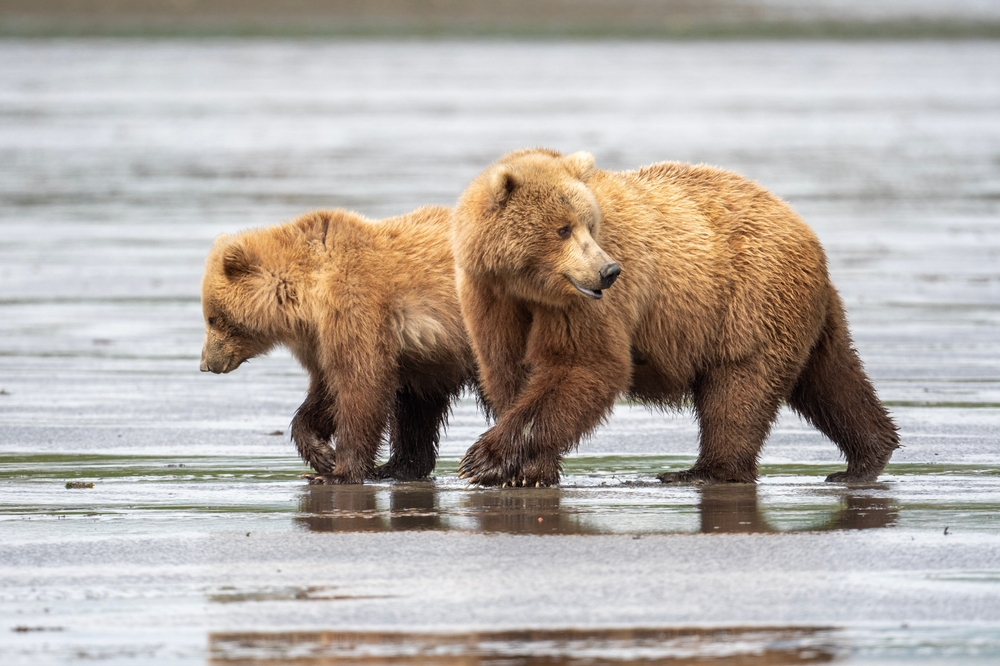
Lake Clark is accessible by small plane from Anchorage, and many tour operators offer day trips or overnight stays with guided excursions. The landscape here is diverse, featuring volcanoes, alpine lakes, and lush meadows, providing a stunning backdrop to the bear activity. Visitors often observe bears digging for clams, playing with cubs, or standing tall to sniff the air, offering plenty of photographic opportunities and unforgettable memories. The combination of serene beauty and abundant wildlife makes Lake Clark a hidden gem for bear enthusiasts.
Kodiak Island
Kodiak Island, located in the Gulf of Alaska, is home to the Kodiak brown bear, one of the largest bear subspecies in the world. These giants can weigh up to 1,500 pounds and stand over 10 feet tall when on their hind legs. Despite their size, Kodiak bears are known for their calm demeanor, and observing them in the wild is a breathtaking experience. The island offers a unique blend of rich Alaska Native culture, rugged terrain, and world-class bear viewing opportunities.
Key bear habitats on Kodiak include the Karluk River, Frazer Lake, and the Red Lake area. These sites become hotspots for bear activity during the salmon runs from June to September. Guided tours via floatplane or boat are common, and some visitors opt to stay in remote wilderness lodges for a more immersive adventure. The island’s combination of lush greenery, abundant fish, and relative isolation creates ideal conditions for bears and provides visitors with dramatic, raw views of these magnificent animals in action.
Anan Wildlife Observatory
Located near the town of Wrangell in Southeast Alaska, the Anan Wildlife Observatory is a unique spot where both black and brown bears can be seen fishing for salmon side by side, a rare occurrence in Alaska where the two species generally avoid each other. Anan Creek boasts one of the largest pink salmon runs in the region, drawing bears from miles around during peak season in July and August.
Access to the observatory is strictly managed to preserve the habitat and ensure a safe experience for both bears and visitors. Permits are required, and tours are often limited to small groups. The observatory includes a viewing platform and a photo blind near the creek, offering excellent vantage points for observing bear behavior in close proximity. Visitors often witness cubs learning to fish, adult bears competing for territory, and eagles swooping in to snatch leftover salmon. The combination of rich wildlife activity and rainforest scenery makes Anan a spectacular and unforgettable destination for bear viewing in Alaska.
Arctic National Wildlife Refuge
For the truly adventurous, the Arctic National Wildlife Refuge (ANWR) offers a rare opportunity to see polar bears in the wild. Located in northeastern Alaska along the Beaufort Sea, this vast and remote refuge is one of the few places in the United States where polar bears can be observed on land. In early fall, particularly September and October, polar bears congregate along the coastline, waiting for the sea ice to return so they can resume hunting seals.
Access to ANWR is challenging and typically requires charter flights from Fairbanks or Barrow (Utqiaġvik), along with guided expeditions. Kaktovik, a small Iñupiat village, has become a focal point for polar bear viewing, with community-approved tours offering boat trips and photography opportunities. Visitors should be prepared for harsh weather, limited infrastructure, and a high level of physical endurance, but the reward is extraordinary: the chance to see the world’s largest land carnivore in one of the most pristine environments left on Earth.
While the experience is starkly different from the lush salmon streams of southern Alaska, the Arctic’s icy seascapes, distant mountain ranges, and wildlife make it one of the most profound bear viewing adventures anywhere.
Conclusion
Bear viewing in Alaska is not just a chance to witness incredible wildlife; it’s an invitation to connect with one of the planet’s last great wildernesses. Each of these five locations offers a unique perspective, from the salmon-fueled feasts at Katmai and Lake Clark, to the mighty Kodiak bears, the rare coexistence at Anan, and the icy realm of the polar bear in the far north. No matter which destination you choose, you’ll come away with a deeper appreciation for these awe-inspiring animals and the wild landscapes they call home.
Whether you’re a seasoned wildlife traveler or embarking on your first bear viewing journey, Alaska’s natural splendor and its iconic bears will leave a lasting imprint on your heart. Be sure to plan ahead, respect the wildlife, and prepare for an unforgettable adventure into the wild heart of Alaska.
Alaska is known for its vast wilderness, unspoiled natural beauty, and some of the most exhilarating fishing experiences in the world. While there are many ways to explore the fishing opportunities this state has to offer, none are quite as unique or rewarding as fly-in fishing. Imagine boarding a floatplane that skims across crystal-clear lakes, then landing in a remote corner of the Alaskan backcountry, far from roads, towns, or even cell signal. This is not just a fishing trip; it is a once-in-a-lifetime adventure. For any angler serious about their sport, Alaska fly-in fishing offers a dreamscape of opportunities that should be right at the top of the bucket list.
Remote Access to Untouched Waters
One of the biggest draws of fly-in fishing in Alaska is the exclusive access it provides to some of the most pristine and untouched waters in North America. These remote areas are not accessible by car, boat, or foot. They can only be reached by air. Floatplanes lift off from local hubs like Anchorage, Fairbanks, or smaller outposts, carrying anglers deep into the Alaskan wilderness where human activity is minimal and nature reigns supreme.
Because of this isolation, the rivers, streams, and lakes remain teeming with fish that have likely never seen an artificial lure or fly before. This translates to higher catch rates and less competition from other anglers. Whether you are targeting salmon during their annual runs, chasing aggressive northern pike, or casting for elusive Arctic grayling, the abundance of fish in these waters is unmatched. The thrill of fishing in waters that feel almost mythical is part of what makes fly-in fishing so unforgettable.
A Diverse Range of Trophy Fish
Alaska’s waters host an astonishing diversity of fish species, and fly-in fishing opens up the possibility of targeting multiple types in a single trip. The state is famous for its five species of Pacific salmon: king (chinook), sockeye (red), coho (silver), chum (dog), and pink (humpy), each with its own season, behavior, and fight. During peak salmon runs, rivers literally turn red with fish, creating a spectacle that has to be seen to be believed.
Beyond salmon, anglers can target monster rainbow trout that often exceed 30 inches in length, particularly in river systems that benefit from nutrient-rich salmon runs. These trout are known for their strength, acrobatics, and beautiful coloration. Arctic grayling, with their sail-like dorsal fins and aggressive takes on dry flies, add a touch of elegance to the fishing experience. Lake trout, Dolly Varden, and northern pike round out the list, ensuring that every cast holds the potential for a new personal best.
Each species presents its own challenges and rewards, requiring different techniques and gear, which keeps the fishing exciting and dynamic. The possibility of landing a “grand slam”, catching four or more different species in a day, is a real and thrilling prospect on many fly-in adventures.
Immersive Wilderness and Wildlife Encounters
What sets Alaska fly-in fishing apart from other types of angling is not just the quality of the fishing, but the total immersion into the wilderness. When you step off the floatplane and onto the banks of a remote river, you are truly alone with nature. The silence is profound, broken only by the sounds of flowing water, birdsong, and perhaps the splash of a rising fish. This solitude offers not only a deeper connection to the sport but also a rare escape from the noise and pace of modern life.
The Alaskan wilderness is alive with wildlife. It is common to see bears foraging along riverbanks, moose wading through shallow lakes, or bald eagles soaring overhead. Some anglers even spot wolves, lynx, and caribou during their excursions. These encounters are not staged or curated. They are natural and unscripted moments that become as memorable as the fishing itself.
Fly-in fishing also often includes overnight stays at remote lodges or tent camps. These accommodations range from rustic to luxurious but all offer the unique opportunity to unplug and enjoy life at a slower, more deliberate pace. The evenings often bring campfire storytelling, fresh-cooked fish, and the kind of camaraderie that only grows in wild places.
A Challenge That Elevates Your Skills
Fly-in fishing in Alaska is not just a vacation. It is a test and a testament to your angling abilities. The remote environments, unpredictable weather, and the sheer wildness of the fish all combine to challenge even seasoned anglers. Wind can whip across the tundra without warning. River levels can rise or fall rapidly. Fish that were present one day may vanish the next. Success in these conditions requires adaptability, patience, and sometimes, a bit of luck.
For fly anglers, these waters provide the perfect proving ground. Presenting a dry fly to a rising grayling, swinging a streamer through a run packed with coho, or dead-drifting an egg pattern past a wary rainbow trout demands precision and timing. Anglers quickly learn the importance of reading water, adjusting their rigging, and making quick decisions based on the behavior of the fish and the conditions around them.
But it is this challenge that makes the reward so much sweeter. When you finally hook into a powerful king salmon or land a trophy trout after a long battle, the satisfaction is immense. These are the stories you will tell for years, not just about the fish you caught, but about the skill it took to catch them.
Planning the Perfect Trip
If you are ready to make Alaska fly-in fishing a reality, planning is key. The short fishing season, typically from late May to early September, means that prime weeks book quickly, especially at top-tier lodges or with highly rated guides. Deciding what species you want to target and when they are most active is the first step. For example, June is ideal for early-season trout and grayling. July sees peak sockeye and chum runs. August and early September are prime for silver salmon and trophy trout.
You will also need to consider what type of experience you want. Some outfitters offer fully guided day trips that return to town each night, while others provide immersive week-long excursions that include accommodations, meals, and guided fishing every day. Floatplane safety and experience are paramount, so be sure to book with reputable, licensed operators.
Gear selection is another vital consideration. While many lodges provide equipment, bringing your own rod, reel, and flies tailored to your targeted species can enhance your experience. It is also essential to pack proper clothing, as Alaska weather can swing wildly from sunshine to snow, sometimes within the same day.
Do not forget to obtain the necessary fishing license and any species-specific tags, such as for king salmon. Most outfitters will assist with this process, ensuring you are legal and ready before the floatplane lifts off.
Conclusion
Alaska fly-in fishing is not just another item on a bucket list. It is a transformative experience that redefines what it means to fish. From the moment your plane leaves civilization behind to the first strike of a wild trout or salmon in untouched waters, every second feels extraordinary. The remote settings, the abundance and variety of fish, the rugged beauty of the wilderness, and the sense of adventure combine to create memories that last a lifetime.
For those who seek more than just a day on the water, for those who crave solitude, excitement, and a deeper connection to the natural world, there is no better destination. Alaska awaits, wild and untamed, ready to deliver the ultimate angling adventure. Fly-in fishing is not just something you should do; it is something you owe to yourself as a passionate angler.