
Top Safety Tips for First-Time Bear Viewing Excursions in Alaska
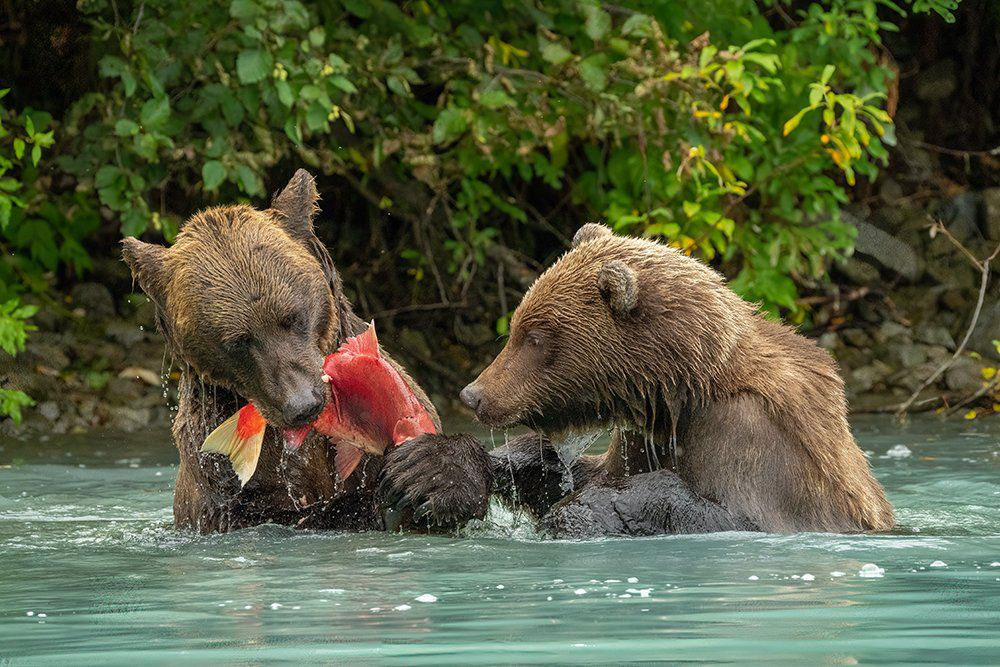
Alaska is one of the last great wild places on Earth, and for wildlife enthusiasts planning their first-time bear viewing in Alaska, the experience can be nothing short of life-changing. Watching a brown bear wade through a rushing river to snag a sockeye salmon, or a black bear grazing peacefully across an open meadow, is the kind of moment that stays with you forever. But before you lace up your boots and board a floatplane, understanding Alaska wildlife excursion safety is essential.
The wilderness does not bend to inexperience, and a little preparation goes a long way toward keeping both you and the bears safe.
Choose the Right Guide and Tour Operator
The single most important decision you will make is who leads your trip. Opting for professionally guided bear viewing tours in Kenai, AK, or elsewhere in the state, means you are placing your safety in the hands of someone who knows the terrain, the animals, and the protocols. A reputable guide will be certified, experienced, and deeply familiar with bear behavior. They will know how to read the landscape and position the group at a respectful, safe distance.
When researching guided bear viewing tours in Alaska, look for operators who hold the proper permits from the U.S. Fish and Wildlife Service or the Alaska Department of Fish and Game. Check reviews from previous guests, ask about guide-to-guest ratios, and confirm that safety briefings are a standard part of the experience. A well-run tour operator will never cut corners when it comes to visitor safety or animal welfare.
For those considering fly-out bear viewing on the Kenai Peninsula, the same standards apply. The Kenai Peninsula offers stunning access to brown bear populations, particularly around rivers during salmon runs. A fly-out trip adds an additional layer of logistics, so confirm that the air charter service is FAA-certified and that the pilot has experience with backcountry landings specific to the region.
Understand Bear Behavior Before You Go
Knowledge is one of the most powerful safety tools available to any first-time bear viewer in Alaska. Bears are intelligent, curious, and largely predictable when you understand what drives their behavior. Most incidents involving bears and humans occur because the human did something unexpected, got too close, or surprised an animal.
Brown bears, which are the species most commonly encountered during guided bear viewing tours in Alaska, are generally more tolerant of humans than black bears when observed in structured settings. However, a mother with cubs is always a high-alert situation. If a sow perceives a threat to her offspring, she will act decisively. Your guide will brief you on this, but going into the excursion already informed means you will respond appropriately rather than freeze or panic.
Bears communicate through body language. A bear that is yawning, swaying its head, or popping its jaw is signaling stress. A bear that lowers its head and pins its ears back may be preparing to charge. Learning these signals before your trip, through books, documentaries, or pre-trip materials from your tour operator, gives you a significant edge in staying calm and making smart decisions in the field.
Follow All Alaska Bear Viewing Safety Tips from Your Guide
Once you are in the field, your guide’s instructions are not suggestions. They are rules. Alaska bear viewing safety tips exist because they work, and they are built on years of field experience and, in some cases, hard lessons learned. Never step out of the designated viewing area, never approach a bear independently, and never attempt to feed or attract wildlife in any way.
Proper food and scent management is critical on any Alaska wildlife excursion. Bears have a sense of smell roughly seven times stronger than a bloodhound. Scented items including food, beverages, sunscreen, lip balm, and even flavored lip products can attract bear attention. Store all food and scented items in bear-resistant containers or as directed by your guide. On overnight excursions, food should never be stored inside a tent, and cooking should always take place well away from sleeping areas.
Noise is your friend in bear country. Making your presence known as you move through the landscape gives bears the chance to avoid you, which is almost always what they prefer. Guides will often talk at a moderate volume or clap periodically when moving between viewing areas. Following this practice, rather than going silent because you want to see more animals, is a key part of safe wildlife viewing.
Dress Appropriately and Bring the Right Gear
Preparing your gear properly is a practical but often overlooked aspect of Alaska wildlife excursion safety. Alaska’s weather is famously unpredictable. Even during summer months, temperatures can drop quickly, rain can move in without warning, and wet conditions can make trails slippery and dangerous. Dressing in moisture-wicking base layers, an insulating mid-layer, and a waterproof outer shell gives you the flexibility to adapt to changing conditions.
Footwear matters enormously. Waterproof hiking boots with good ankle support are ideal for most bear viewing terrain, especially in marshy or riverine environments common to fly-out bear viewing on the Kenai Peninsula. Avoid cotton clothing, which retains moisture and can lead to hypothermia in cool, wet conditions. Wool and synthetic fabrics are far better choices.
Bear spray is a non-negotiable item on any serious Alaska wildlife excursion. Studies have consistently shown that bear spray is effective at deterring charging bears, and many guides will require that guests carry it. Learn how to use it before your trip, not after you have arrived in the field. Practice removing the safety clip and know the effective range, typically 25 to 30 feet. Carry it on your hip, accessible within seconds, not buried in your backpack.
Binoculars and a camera with a quality zoom lens allow you to observe bears from a respectful distance without the temptation to move closer for a better look. The best and safest bear viewing is always done from a distance that does not alter the animal’s natural behavior.
Respect the Wildlife and the Ecosystem
Responsible wildlife viewing is not just about personal safety. It is about preserving the experience for future visitors and protecting the animals themselves. Bears that become habituated to humans can lose their natural wariness, which often leads to dangerous encounters and, ultimately, the bear being destroyed. Your behavior in the field directly impacts the health and sustainability of bear populations across Alaska.
Always follow the principles of Leave No Trace. Pack out everything you bring in, stay on designated paths, and resist the urge to leave food scraps behind. On guided bear viewing tours in Alaska, reputable operators will already have these standards built into their practices, but individual responsibility reinforces the collective effort.
Photography is one of the great joys of bear viewing, but never let the pursuit of the perfect shot override your judgment. The image is not worth your safety or the animal’s wellbeing. Keep your eye on the bear, not just through the viewfinder, and always be ready to retreat calmly if your guide gives the word.
Conclusion
A first-time bear viewing excursion in Alaska is an extraordinary experience, and with the right preparation, it can be a completely safe one. Selecting experienced guided bear viewing tours in Alaska, learning bear behavior in advance, following all Alaska bear viewing safety tips from your guide, dressing for the conditions, and carrying bear spray are the foundations of a successful outing. Whether you are heading out on a fly-out bear viewing trip on the Kenai Peninsula or joining a group tour near a coastal river system, respect for the wilderness is what makes it all possible. Go prepared, stay aware, and the bears of Alaska will give you memories worth a lifetime.