
What to Expect on Your First Fly-Out Bear Viewing Trip in Alaska
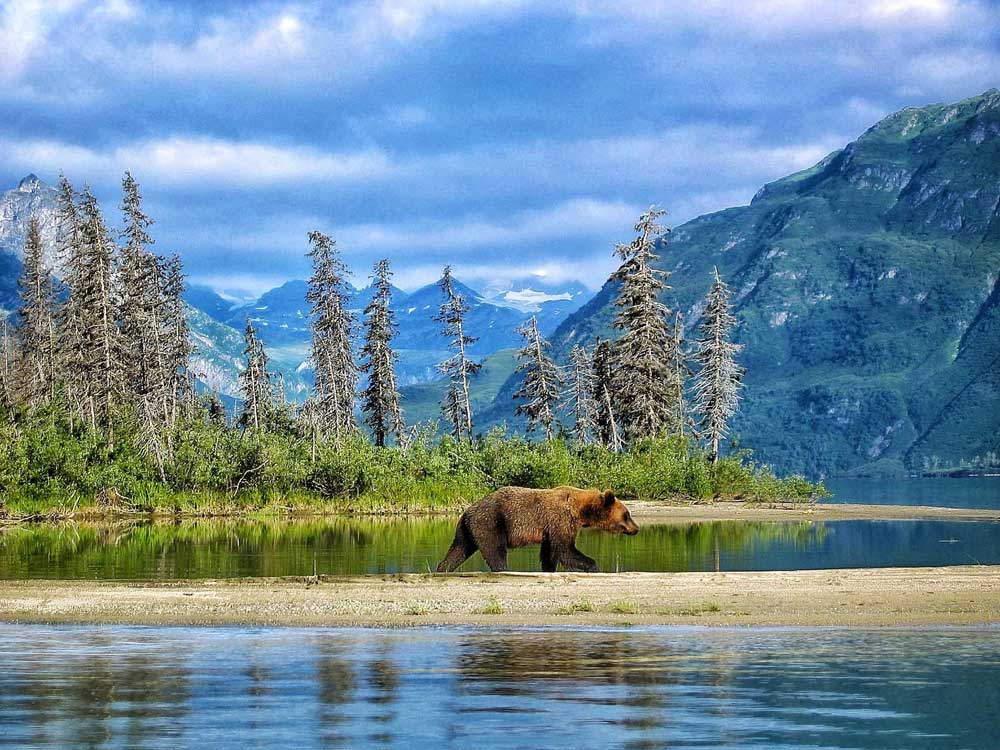
If you have ever dreamed of watching wild brown bears fish for salmon in a remote Alaskan river, a fly-out bear viewing trip might be the most unforgettable experience of your life. These adventures take you far beyond the reach of roads and crowds, dropping you into pristine wilderness where bears live entirely on their own terms.
Whether you are planning Alaska bear viewing tours on the Kenai Peninsula or exploring other regions of the state, knowing what to expect before you go will help you get the most out of every incredible moment.
Booking Your Trip and Choosing the Right Outfitter
The first step in planning any of the best Alaska bear viewing trips is finding a reputable outfitter who operates legally and ethically. Many companies based in towns like Homer, Soldotna, and Kodiak offer Kenai bear viewing excursions that depart by small aircraft and land near productive bear habitat. When comparing options, pay close attention to group size, as smaller groups tend to offer a more personal and less disruptive experience for both guests and wildlife.
Ask your outfitter about their guides’ experience levels, their safety record, and whether they hold proper permits from the Alaska Department of Fish and Game or the National Park Service. A good outfitter will be transparent about all of these details and will take time to answer your questions thoroughly. Pricing for fly-out bear viewing in Alaska varies widely depending on the destination, trip length, and group size, but most full-day excursions range from several hundred to over a thousand dollars per person. This is not a budget adventure, but for most visitors, the experience justifies every penny.
It is also worth booking as early as possible. Peak bear viewing season in Alaska runs from July through early September, when salmon runs draw bears to rivers in extraordinary numbers. Spots fill up quickly during these months, so securing your reservation several months in advance is strongly recommended.
Getting There: The Bush Plane Experience
One of the most thrilling parts of Alaska bear viewing tours is the journey itself. Bush plane tours in Alaska are a cultural institution, and climbing into a small float plane or wheel plane for the first time is an adventure all on its own. Most fly-out bear viewing excursions depart from small regional airports or lakeside docks, and the flights typically range from twenty minutes to over an hour depending on your destination.
During the flight, you will likely pass over glaciers, tidal flats, spruce forests, and winding river systems that look completely untouched from above. Pilots on these routes are often incredibly knowledgeable about the landscape and may point out wildlife or geographic features along the way. Dress in layers for the flight, as temperatures inside small aircraft can be unpredictable, and the cabins are not always climate controlled.
Upon landing, the transition from airplane to wilderness is immediate and striking. There are no visitor centers, no paved paths, and no amenities. You are simply there, in the wild, with bears. This is exactly what most guests are hoping for, and the rawness of the setting makes the whole experience feel genuinely remote and real.
What You Will See and How to Behave Around Bears
Bear behavior during salmon season is remarkably consistent, which is part of what makes Kenai bear viewing excursions so reliably spectacular. Brown bears, also known as grizzlies, congregate at river crossings and waterfalls where salmon are forced to leap upstream, making them easy targets. You may see bears wading into the current to swipe at fish, standing motionless waiting for the perfect moment to strike, or wrestling with siblings and rivals over prime fishing spots.
Your guide will establish a safe viewing distance before the group approaches any bears. In most cases, you will be standing or sitting quietly within clear view of the bears while they go about their business largely ignoring you. Bears that are accustomed to human presence at viewing sites are not tame, but they have learned that people pose no threat and tend to focus on fishing rather than on the group.
Behavior guidelines are non-negotiable on these trips. You should never run, never make sudden loud noises, and never approach bears on your own. Your guide carries bear spray and is trained to read bear behavior, so listening carefully and following instructions is essential. Most incidents on bear viewing trips result from guests ignoring guide instructions, not from unpredictable bear behavior.
Photography is one of the most popular activities on these excursions, and you will have ample opportunity to capture stunning images. A telephoto lens in the range of 200 to 400mm will serve you well if you have one, though many guests get perfectly usable shots with smartphone cameras given how close the bears sometimes come.
What to Pack and How to Prepare
Preparation makes a significant difference on fly-out bear viewing trips in Alaska. The weather on the Kenai Peninsula and in coastal Alaska generally can shift rapidly, so layering is your best strategy. Start with a moisture-wicking base layer, add an insulating mid-layer such as a fleece jacket, and bring a waterproof outer shell that can handle wind and rain. Waterproof boots or rubber rain boots are highly recommended, as riverbanks can be muddy and wet.
Bring enough food and water for the full day, as there will be no opportunities to purchase anything once you are in the field. High-energy snacks like trail mix, jerky, and granola bars pack well and keep your energy up during long hours of wildlife observation. A small dry bag or waterproof backpack will protect your gear during the flight and while moving through wet terrain.
Sun protection is often overlooked on Alaska bear viewing trips because the weather seems cool and overcast, but UV exposure at northern latitudes is still significant, especially on clear days near reflective water. Sunscreen, sunglasses, and a hat with a brim are worth including even if rain seems more likely than sunshine.
Leave your strong-smelling personal care products at the hotel. Bears have an extraordinary sense of smell, and while viewing site bears are habituated to people, there is no reason to introduce unnecessary scents into the environment. Keep your campsite, if you have one, and your clothing as scent-neutral as possible.
Managing Expectations and Embracing the Unpredictable
One of the most important things to understand before your first fly-out bear viewing trip in Alaska is that wildlife does not follow a script. On most trips, guests see multiple bears and have extended viewing time. On others, weather delays the flight, water conditions change, or the bears simply move to a different part of the river for reasons known only to them. A great guide will adapt and find viewing opportunities wherever possible, but going in with flexible expectations will make any outcome feel rewarding.
Alaska bear viewing is not a zoo experience. It is an encounter with wild animals in a wild landscape, and that unpredictability is precisely what gives it meaning. The sound of a float plane landing on a glassy river, the sight of a massive brown bear plunging into white water after a salmon, and the quiet enormity of an Alaskan wilderness morning are things that stay with you long after you return home.
Conclusion
A fly-out bear viewing trip in Alaska is one of those rare experiences that genuinely exceeds expectations. From the thrill of bush plane tours in Alaska to the quiet wonder of watching bears in their natural habitat, every part of the journey offers something worth savoring. Plan carefully, choose a trustworthy outfitter, respect the wildlife and your guides, and come ready to be amazed. The bears will take care of the rest.