Few wildlife experiences compare to watching Alaska’s iconic brown bears in their natural habitat. Visitors planning a trip to Kenai often ask when they have the best chance of seeing these incredible animals, and the answer depends on what kind of bear viewing experience they want. From salmon-filled rivers to coastal feeding grounds, timing can make all the difference.
Quick Answer
The best time of year to see brown bears near Kenai, Alaska, is generally from late June through early September, with July and August offering the most consistent viewing opportunities. During this period, salmon runs attract bears to rivers and coastal areas, making them easier to observe from a safe distance. Spring also provides opportunities to see bears emerging from hibernation, while early fall offers beautiful scenery and active wildlife before winter arrives.
What Local Readers Should Know
Brown bear viewing is at its peak during the summer salmon runs, especially from July through August.
Kenai serves as an excellent departure point for bear viewing flights to destinations such as Lake Clark National Park and Katmai National Park.
Weather along Cook Inlet can change quickly, so flexible travel plans often provide the best experience.
Morning flights frequently offer calmer flying conditions and active wildlife.
Wildlife sightings are never guaranteed because bears roam freely in their natural habitat.
Why This Matters Locally
Brown bears are one of Alaska’s most recognizable wildlife species, and the Kenai Peninsula offers convenient access to some of the state’s premier viewing locations. Travelers staying in Kenai can reach remote bear habitats by air without spending days traveling across Alaska.
Many visitors combine bear viewing with fishing, glacier tours, sightseeing, or photography. Because the viewing season is relatively short, planning around seasonal wildlife activity helps maximize the chances of an unforgettable experience.
At Alaska West Air Inc, we help visitors experience the incredible landscapes surrounding Kenai while providing access to remote areas that would otherwise be difficult to reach.
Local Data and Seasonal Wildlife Patterns
According to the National Park Service, coastal brown bears become especially active during the summer salmon runs, when fish provide a high-calorie food source needed to prepare for winter hibernation. Parks such as Katmai National Park and Lake Clark National Park are internationally recognized for their exceptional bear viewing opportunities during this season.
Spring vegetation, spawning salmon, tidal flats, berry patches, and changing food sources all influence where bears spend their time throughout the year.
How Each Season Affects Bear Viewing
Spring (May through June)
Spring offers excellent opportunities to see bears emerging from hibernation.
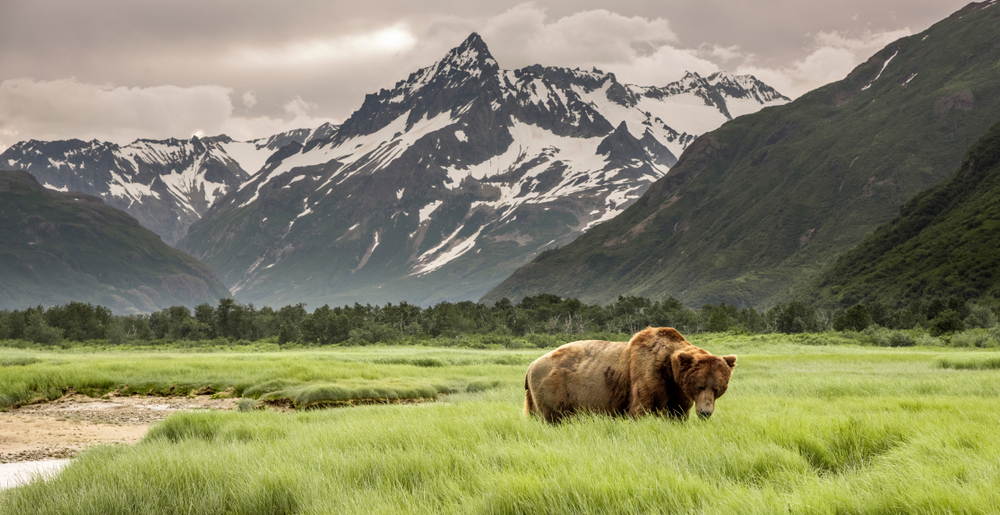
During this period, bears search for grasses, sedges, shellfish, and other early food sources along coastal meadows and beaches. Mothers with young cubs are often seen during spring because they spend more time feeding in open areas.
Spring also brings fewer visitors, creating a quieter viewing experience.
Summer (Late June through August)
Summer is widely considered the best season for brown bear viewing.
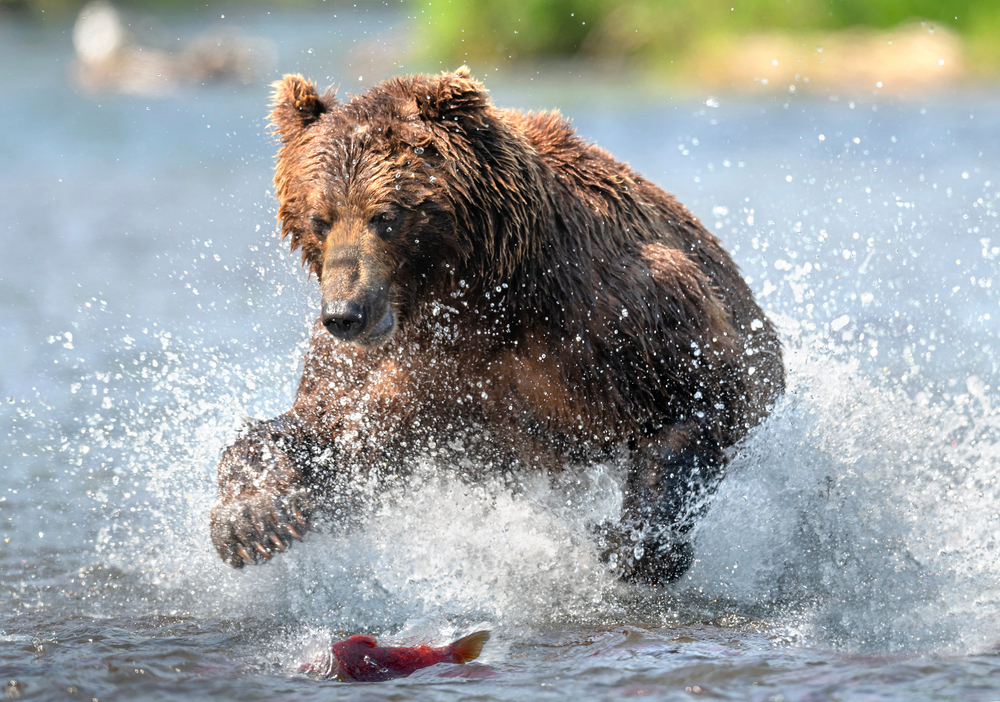
As salmon begin running through rivers and streams, bears gather near fishing locations to feed. This predictable food source allows visitors to observe natural bear behavior from approved viewing areas while maintaining safe distances.
Warm temperatures, long daylight hours, and generally favorable flying conditions also make summer ideal for flightseeing adventures departing from Kenai.
Early Fall (September)
Early fall remains an excellent time for wildlife viewing.
Although some salmon runs begin slowing down, bears continue feeding heavily before returning to their dens. Colorful autumn landscapes throughout the Kenai Peninsula provide outstanding photography opportunities.
Weather becomes more variable, but clear fall days often deliver spectacular mountain views stretching across Cook Inlet.
Local Impact
Brown bear viewing supports tourism throughout the Kenai Peninsula while encouraging responsible wildlife conservation. Visitors who experience bears in their natural environment often gain a greater appreciation for Alaska’s ecosystems.
Local communities including Soldotna, Nikiski, Homer, Seward, and Cooper Landing benefit from visitors who extend their trips to enjoy fishing, hiking, wildlife photography, and scenic flights.
Signs You’re Visiting During Peak Bear Season
If you’re planning your Alaska vacation, these indicators suggest excellent viewing conditions:
Salmon are actively running in local rivers.
Summer daylight provides extended viewing hours.
Coastal meadows remain green and productive.
Wildlife viewing tours are operating daily.
Weather conditions allow regular scenic flights.
Local lodges report active bear sightings.
Visitors are booking photography and wildlife excursions well in advance.
When to Book Your Bear Viewing Adventure
The best time to schedule your flight is several months before your planned trip, especially for July and August.
Peak travel season fills quickly throughout Kenai and nearby destinations. Booking early increases your chances of securing your preferred departure date while allowing flexibility if weather adjustments become necessary.
While pilots monitor weather carefully, safety always comes first, and flight schedules may change when conditions require.
Common Reasons Bear Viewing Changes Throughout the Season
Several natural factors influence where bears spend their time.
Salmon Runs
The arrival of salmon is the single biggest factor affecting bear activity. Bears naturally follow food sources throughout the season.
Weather
Rain, fog, wind, and coastal weather systems around Cook Inlet can influence both flying conditions and wildlife movement.
Tides
Coastal bears often feed on tidal flats during low tide, searching for clams and other marine food sources.
Berry Season
Later in summer, berries become another important food source, causing bears to travel between feeding areas.
Tips for a Successful Bear Viewing Trip
A little preparation helps make your trip more enjoyable.
Dress in layers for changing weather conditions.
Bring binoculars for distant wildlife viewing.
Carry a camera with extra batteries.
Follow all guide and pilot safety instructions.
Keep a respectful distance from wildlife.
Avoid strong fragrances that may attract insects.
Stay flexible since weather can influence flight schedules.
What to Expect During a Flightseeing Bear Tour
Most visitors can expect spectacular aerial views before arriving at remote bear habitat.
Depending on the destination, you’ll likely see glaciers, mountains, braided rivers, volcanoes, and the coastline surrounding Cook Inlet. Once at the viewing area, experienced guides help visitors observe wildlife safely while minimizing disturbance to the animals.
Because every trip occurs in a natural environment, every experience is unique.
Common Mistakes Visitors Make
Waiting until arrival to book.
Peak summer dates often sell out well in advance.
Assuming wildlife can be guaranteed.
Brown bears are wild animals, and sightings depend on natural behavior.
Packing for warm weather only.
Temperatures near coastal Alaska can change quickly, even during summer.
Ignoring weather flexibility.
Allowing extra days in your itinerary can improve your chances if flights need to be rescheduled.
A Common Kenai Visitor Scenario
A family arrives in Kenai during mid-July hoping to experience Alaska’s famous wildlife. They schedule a morning bear viewing flight, enjoying smooth flying conditions and excellent visibility. Along the way, they see glaciers, mountain ranges, and coastal scenery before watching several brown bears feeding naturally along a salmon stream.
While every trip is different, summer consistently offers some of the most rewarding opportunities for wildlife enthusiasts.
Related Flightseeing Experiences
Visitors interested in bear viewing often enjoy combining their adventure with other scenic experiences, including:
We proudly serve travelers departing from Kenai and welcome visitors staying throughout the Kenai Peninsula, including Soldotna, Nikiski, Homer, Seward, Cooper Landing, and surrounding Southcentral Alaska communities.
The Cost of Waiting Too Long
Waiting to reserve a summer bear viewing experience may limit available dates during the busiest travel season. Planning ahead gives you more scheduling flexibility and improves your chances of experiencing Alaska’s incredible wildlife during peak activity.
When is the absolute best month to see brown bears near Kenai?
July is generally considered the best month because salmon runs are active, bears feed frequently, and weather conditions often support flightseeing opportunities.
Can I see brown bears from Kenai without flying?
Yes, but opportunities are less predictable. Some wildlife can occasionally be seen on the Kenai Peninsula, while many of Alaska’s premier bear viewing locations require air access.
Are bear viewing flights from Kenai safe?
Yes, when operated by experienced aviation professionals. Flights are planned around weather conditions, aircraft maintenance, and safety procedures.
Is spring a good time for bear viewing near Kenai?
Yes. Spring offers the chance to see bears emerging from hibernation, especially along coastal feeding areas before salmon season begins.
What should I bring on a bear viewing trip?
Dress in layers and bring a camera, binoculars, and comfortable outdoor clothing. Alaska’s weather can change quickly, even during summer.
How long does the bear viewing season last?
The primary season typically runs from late spring through early fall. Peak viewing generally occurs between late June and early September.
Can families enjoy bear viewing tours from Kenai?
Yes. Many families choose scenic wildlife flights as part of their Alaska vacation, though age recommendations may vary depending on the specific tour.
Why do so many visitors choose Kenai for bear viewing?
Kenai offers convenient access to world-famous wildlife destinations. Its location on the Kenai Peninsula makes it an ideal starting point for scenic flights to remote bear habitats.
Experience Alaska’s Wildlife at the Right Time
Planning your visit around the natural rhythms of Alaska’s wildlife can make your trip even more memorable. Whether you’re visiting for photography, sightseeing, or simply hoping to witness brown bears in their natural environment, choosing the right season helps create an unforgettable adventure.
Ready to Explore Alaska from Above?
Experience breathtaking scenery, remarkable wildlife, and unforgettable views with a professionally planned flightseeing adventure.
Alaska is one of the last great wild places on Earth, and for wildlife enthusiasts planning their first-time bear viewing in Alaska, the experience can be nothing short of life-changing. Watching a brown bear wade through a rushing river to snag a sockeye salmon, or a black bear grazing peacefully across an open meadow, is the kind of moment that stays with you forever. But before you lace up your boots and board a floatplane, understanding Alaska wildlife excursion safety is essential.
The wilderness does not bend to inexperience, and a little preparation goes a long way toward keeping both you and the bears safe.
Choose the Right Guide and Tour Operator
The single most important decision you will make is who leads your trip. Opting for professionally guided bear viewing tours in Kenai, AK, or elsewhere in the state, means you are placing your safety in the hands of someone who knows the terrain, the animals, and the protocols. A reputable guide will be certified, experienced, and deeply familiar with bear behavior. They will know how to read the landscape and position the group at a respectful, safe distance.
When researching guided bear viewing tours in Alaska, look for operators who hold the proper permits from the U.S. Fish and Wildlife Service or the Alaska Department of Fish and Game. Check reviews from previous guests, ask about guide-to-guest ratios, and confirm that safety briefings are a standard part of the experience. A well-run tour operator will never cut corners when it comes to visitor safety or animal welfare.
For those considering fly-out bear viewing on the Kenai Peninsula, the same standards apply. The Kenai Peninsula offers stunning access to brown bear populations, particularly around rivers during salmon runs. A fly-out trip adds an additional layer of logistics, so confirm that the air charter service is FAA-certified and that the pilot has experience with backcountry landings specific to the region.
Understand Bear Behavior Before You Go
Knowledge is one of the most powerful safety tools available to any first-time bear viewer in Alaska. Bears are intelligent, curious, and largely predictable when you understand what drives their behavior. Most incidents involving bears and humans occur because the human did something unexpected, got too close, or surprised an animal.
Brown bears, which are the species most commonly encountered during guided bear viewing tours in Alaska, are generally more tolerant of humans than black bears when observed in structured settings. However, a mother with cubs is always a high-alert situation. If a sow perceives a threat to her offspring, she will act decisively. Your guide will brief you on this, but going into the excursion already informed means you will respond appropriately rather than freeze or panic.
Bears communicate through body language. A bear that is yawning, swaying its head, or popping its jaw is signaling stress. A bear that lowers its head and pins its ears back may be preparing to charge. Learning these signals before your trip, through books, documentaries, or pre-trip materials from your tour operator, gives you a significant edge in staying calm and making smart decisions in the field.
Follow All Alaska Bear Viewing Safety Tips from Your Guide
Once you are in the field, your guide’s instructions are not suggestions. They are rules. Alaska bear viewing safety tips exist because they work, and they are built on years of field experience and, in some cases, hard lessons learned. Never step out of the designated viewing area, never approach a bear independently, and never attempt to feed or attract wildlife in any way.
Proper food and scent management is critical on any Alaska wildlife excursion. Bears have a sense of smell roughly seven times stronger than a bloodhound. Scented items including food, beverages, sunscreen, lip balm, and even flavored lip products can attract bear attention. Store all food and scented items in bear-resistant containers or as directed by your guide. On overnight excursions, food should never be stored inside a tent, and cooking should always take place well away from sleeping areas.
Noise is your friend in bear country. Making your presence known as you move through the landscape gives bears the chance to avoid you, which is almost always what they prefer. Guides will often talk at a moderate volume or clap periodically when moving between viewing areas. Following this practice, rather than going silent because you want to see more animals, is a key part of safe wildlife viewing.
Dress Appropriately and Bring the Right Gear
Preparing your gear properly is a practical but often overlooked aspect of Alaska wildlife excursion safety. Alaska’s weather is famously unpredictable. Even during summer months, temperatures can drop quickly, rain can move in without warning, and wet conditions can make trails slippery and dangerous. Dressing in moisture-wicking base layers, an insulating mid-layer, and a waterproof outer shell gives you the flexibility to adapt to changing conditions.
Footwear matters enormously. Waterproof hiking boots with good ankle support are ideal for most bear viewing terrain, especially in marshy or riverine environments common to fly-out bear viewing on the Kenai Peninsula. Avoid cotton clothing, which retains moisture and can lead to hypothermia in cool, wet conditions. Wool and synthetic fabrics are far better choices.
Bear spray is a non-negotiable item on any serious Alaska wildlife excursion. Studies have consistently shown that bear spray is effective at deterring charging bears, and many guides will require that guests carry it. Learn how to use it before your trip, not after you have arrived in the field. Practice removing the safety clip and know the effective range, typically 25 to 30 feet. Carry it on your hip, accessible within seconds, not buried in your backpack.
Binoculars and a camera with a quality zoom lens allow you to observe bears from a respectful distance without the temptation to move closer for a better look. The best and safest bear viewing is always done from a distance that does not alter the animal’s natural behavior.
Respect the Wildlife and the Ecosystem
Responsible wildlife viewing is not just about personal safety. It is about preserving the experience for future visitors and protecting the animals themselves. Bears that become habituated to humans can lose their natural wariness, which often leads to dangerous encounters and, ultimately, the bear being destroyed. Your behavior in the field directly impacts the health and sustainability of bear populations across Alaska.
Always follow the principles of Leave No Trace. Pack out everything you bring in, stay on designated paths, and resist the urge to leave food scraps behind. On guided bear viewing tours in Alaska, reputable operators will already have these standards built into their practices, but individual responsibility reinforces the collective effort.
Photography is one of the great joys of bear viewing, but never let the pursuit of the perfect shot override your judgment. The image is not worth your safety or the animal’s wellbeing. Keep your eye on the bear, not just through the viewfinder, and always be ready to retreat calmly if your guide gives the word.
Conclusion
A first-time bear viewing excursion in Alaska is an extraordinary experience, and with the right preparation, it can be a completely safe one. Selecting experienced guided bear viewing tours in Alaska, learning bear behavior in advance, following all Alaska bear viewing safety tips from your guide, dressing for the conditions, and carrying bear spray are the foundations of a successful outing. Whether you are heading out on a fly-out bear viewing trip on the Kenai Peninsula or joining a group tour near a coastal river system, respect for the wilderness is what makes it all possible. Go prepared, stay aware, and the bears of Alaska will give you memories worth a lifetime.
If you have ever dreamed of watching wild brown bears fish for salmon in a remote Alaskan river, a fly-out bear viewing trip might be the most unforgettable experience of your life. These adventures take you far beyond the reach of roads and crowds, dropping you into pristine wilderness where bears live entirely on their own terms.
Whether you are planning Alaska bear viewing tours on the Kenai Peninsula or exploring other regions of the state, knowing what to expect before you go will help you get the most out of every incredible moment.
Booking Your Trip and Choosing the Right Outfitter
The first step in planning any of the best Alaska bear viewing trips is finding a reputable outfitter who operates legally and ethically. Many companies based in towns like Homer, Soldotna, and Kodiak offer Kenai bear viewing excursions that depart by small aircraft and land near productive bear habitat. When comparing options, pay close attention to group size, as smaller groups tend to offer a more personal and less disruptive experience for both guests and wildlife.
Ask your outfitter about their guides’ experience levels, their safety record, and whether they hold proper permits from the Alaska Department of Fish and Game or the National Park Service. A good outfitter will be transparent about all of these details and will take time to answer your questions thoroughly. Pricing for fly-out bear viewing in Alaska varies widely depending on the destination, trip length, and group size, but most full-day excursions range from several hundred to over a thousand dollars per person. This is not a budget adventure, but for most visitors, the experience justifies every penny.
It is also worth booking as early as possible. Peak bear viewing season in Alaska runs from July through early September, when salmon runs draw bears to rivers in extraordinary numbers. Spots fill up quickly during these months, so securing your reservation several months in advance is strongly recommended.
Getting There: The Bush Plane Experience
One of the most thrilling parts of Alaska bear viewing tours is the journey itself. Bush plane tours in Alaska are a cultural institution, and climbing into a small float plane or wheel plane for the first time is an adventure all on its own. Most fly-out bear viewing excursions depart from small regional airports or lakeside docks, and the flights typically range from twenty minutes to over an hour depending on your destination.
During the flight, you will likely pass over glaciers, tidal flats, spruce forests, and winding river systems that look completely untouched from above. Pilots on these routes are often incredibly knowledgeable about the landscape and may point out wildlife or geographic features along the way. Dress in layers for the flight, as temperatures inside small aircraft can be unpredictable, and the cabins are not always climate controlled.
Upon landing, the transition from airplane to wilderness is immediate and striking. There are no visitor centers, no paved paths, and no amenities. You are simply there, in the wild, with bears. This is exactly what most guests are hoping for, and the rawness of the setting makes the whole experience feel genuinely remote and real.
What You Will See and How to Behave Around Bears
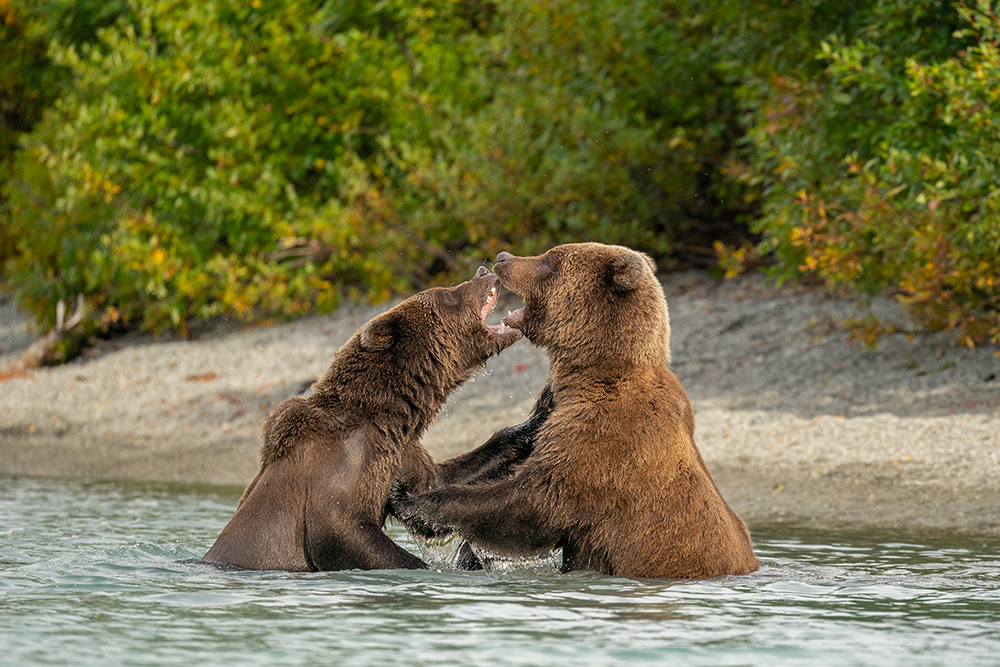
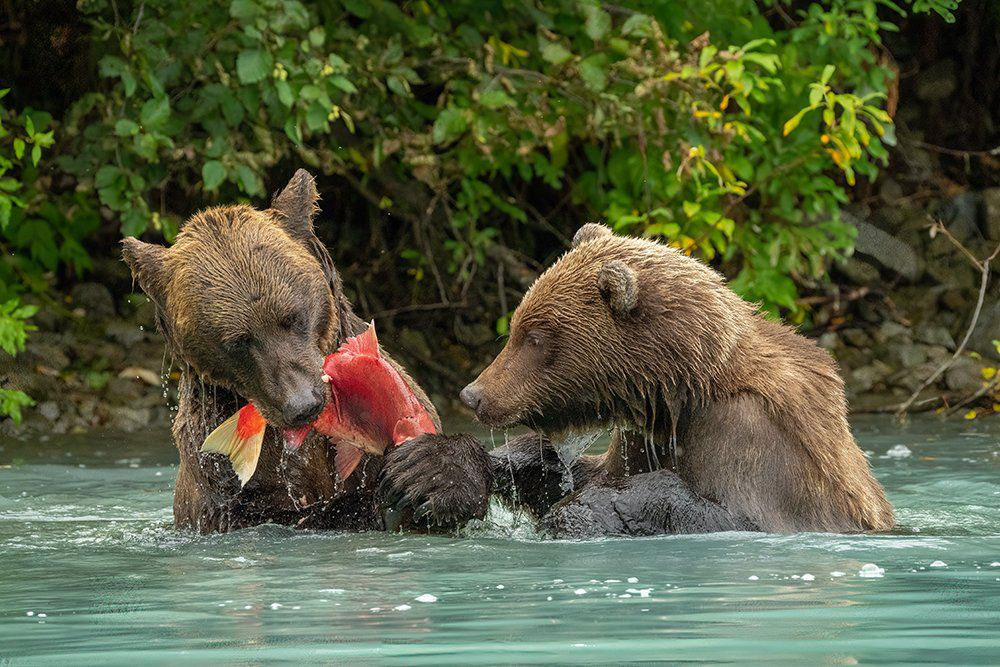
Bear behavior during salmon season is remarkably consistent, which is part of what makes Kenai bear viewing excursions so reliably spectacular. Brown bears, also known as grizzlies, congregate at river crossings and waterfalls where salmon are forced to leap upstream, making them easy targets. You may see bears wading into the current to swipe at fish, standing motionless waiting for the perfect moment to strike, or wrestling with siblings and rivals over prime fishing spots.
Your guide will establish a safe viewing distance before the group approaches any bears. In most cases, you will be standing or sitting quietly within clear view of the bears while they go about their business largely ignoring you. Bears that are accustomed to human presence at viewing sites are not tame, but they have learned that people pose no threat and tend to focus on fishing rather than on the group.
Behavior guidelines are non-negotiable on these trips. You should never run, never make sudden loud noises, and never approach bears on your own. Your guide carries bear spray and is trained to read bear behavior, so listening carefully and following instructions is essential. Most incidents on bear viewing trips result from guests ignoring guide instructions, not from unpredictable bear behavior.
Photography is one of the most popular activities on these excursions, and you will have ample opportunity to capture stunning images. A telephoto lens in the range of 200 to 400mm will serve you well if you have one, though many guests get perfectly usable shots with smartphone cameras given how close the bears sometimes come.
What to Pack and How to Prepare
Preparation makes a significant difference on fly-out bear viewing trips in Alaska. The weather on the Kenai Peninsula and in coastal Alaska generally can shift rapidly, so layering is your best strategy. Start with a moisture-wicking base layer, add an insulating mid-layer such as a fleece jacket, and bring a waterproof outer shell that can handle wind and rain. Waterproof boots or rubber rain boots are highly recommended, as riverbanks can be muddy and wet.
Bring enough food and water for the full day, as there will be no opportunities to purchase anything once you are in the field. High-energy snacks like trail mix, jerky, and granola bars pack well and keep your energy up during long hours of wildlife observation. A small dry bag or waterproof backpack will protect your gear during the flight and while moving through wet terrain.
Sun protection is often overlooked on Alaska bear viewing trips because the weather seems cool and overcast, but UV exposure at northern latitudes is still significant, especially on clear days near reflective water. Sunscreen, sunglasses, and a hat with a brim are worth including even if rain seems more likely than sunshine.
Leave your strong-smelling personal care products at the hotel. Bears have an extraordinary sense of smell, and while viewing site bears are habituated to people, there is no reason to introduce unnecessary scents into the environment. Keep your campsite, if you have one, and your clothing as scent-neutral as possible.
Managing Expectations and Embracing the Unpredictable
One of the most important things to understand before your first fly-out bear viewing trip in Alaska is that wildlife does not follow a script. On most trips, guests see multiple bears and have extended viewing time. On others, weather delays the flight, water conditions change, or the bears simply move to a different part of the river for reasons known only to them. A great guide will adapt and find viewing opportunities wherever possible, but going in with flexible expectations will make any outcome feel rewarding.
Alaska bear viewing is not a zoo experience. It is an encounter with wild animals in a wild landscape, and that unpredictability is precisely what gives it meaning. The sound of a float plane landing on a glassy river, the sight of a massive brown bear plunging into white water after a salmon, and the quiet enormity of an Alaskan wilderness morning are things that stay with you long after you return home.
Conclusion
A fly-out bear viewing trip in Alaska is one of those rare experiences that genuinely exceeds expectations. From the thrill of bush plane tours in Alaska to the quiet wonder of watching bears in their natural habitat, every part of the journey offers something worth savoring. Plan carefully, choose a trustworthy outfitter, respect the wildlife and your guides, and come ready to be amazed. The bears will take care of the rest.
There are few wildlife experiences as powerful as standing on a remote Alaskan shoreline and watching a brown bear move through the landscape. The rhythm of its stride, the way it pauses to test the air, the splash of salmon in a nearby river. For wildlife photographers visiting the Kenai Peninsula, capturing Alaska bear photos is often the highlight of a lifetime.
However, photographing bears requires far more than a good camera and a steady hand. It demands awareness, preparation, and respect for wildlife behavior. Safe wildlife photography is not about getting closer. It is about positioning yourself intelligently, understanding the animal’s intent, and working with experienced guides who prioritize safety. Alaska West Air provides expert-led bear viewing trips that combine remote access with education and preparation, allowing photographers to focus on capturing extraordinary images without unnecessary risk.
Understanding Bear Behavior Before You Raise the Camera
Before any lens is lifted, understanding wildlife behavior is essential. Bears are not aggressive by default, but they are powerful and unpredictable if surprised or threatened. The difference between defensive and predatory behavior can influence how you respond in the field.
Defensive bears may display warning signals such as huffing, jaw popping, or bluff charging. These actions are often meant to create distance rather than initiate pursuit. Predatory behavior, though far less common, is typically quieter and more deliberate. A bear that follows at a distance or circles with focused attention requires immediate caution.
Alaska West Air integrates wildlife safety education into every trip. Guides brief clients on bear aggression cues before entering prime habitats. Understanding these encounter types ensures that photographers can remain calm and respond appropriately.
When you are calm, you make better decisions. That clarity allows you to compose your shot while maintaining safe positioning.
Use Distance and Optics to Your Advantage
One of the most important bear photography tips is simple: let your equipment do the work. Modern telephoto lenses are designed to capture intimate detail from a safe distance. A 300mm, 400mm, or longer lens allows photographers to fill the frame without encroaching on a bear’s personal space.
Staying back protects both you and the animal. Bears that feel crowded may alter their behavior, move away from feeding areas, or react defensively. Ethical wildlife photography prioritizes the animal’s natural movement and comfort.
On bear viewing trips with Alaska West Air, guides position groups strategically based on terrain, wind direction, and seasonal activity. Photographers are placed at vantage points that maximize visibility while maintaining safe separation.
This professional oversight is especially valuable in remote Southcentral Alaska locations where bears roam freely. Unlike roadside wildlife encounters, these backcountry settings require careful distance management.
Read the Environment as Much as the Bear
Safe wildlife photography involves more than watching the bear itself. The surrounding environment provides important clues. Wind direction can determine whether a bear detects human scent. Dense brush may limit visibility and increase the chance of surprise encounters.
Alaska West Air’s deep local knowledge of the Kenai Peninsula helps mitigate these risks. Guides understand how bears use coastal sedge meadows, salmon streams near Homer, and tidal flats accessible only by bush plane. Seasonal patterns influence feeding behavior and movement routes.
For example, during peak salmon runs, bears are often focused on fishing and may tolerate distant human presence more readily. However, sows with cubs require additional space and caution. Photographers benefit from knowing where to position themselves to capture Alaska bear photos without disrupting natural activity.
Remote access by bush plane also enhances safety. By flying into carefully selected wildlife hotspots, Alaska West Air avoids heavily trafficked areas where bears may already be stressed by crowds. The result is a quieter, more controlled experience.
Maintain Calm Body Language and Group Awareness
Bears are highly perceptive animals. Sudden movements, loud voices, or erratic behavior can trigger defensive responses. When photographing bears, slow and deliberate movement is key.
Remain upright and visible. Avoid crouching or hiding in ways that may confuse the bear about your shape. Keep camera adjustments smooth and minimize unnecessary repositioning.
Group awareness is equally important. Families and outdoor enthusiasts participating in bear viewing trips should stay together and follow guide instructions closely. Scattered individuals create unpredictable patterns that may concern wildlife.
Alaska West Air’s expert-led trips emphasize coordinated group behavior. Guides manage spacing, monitor bear reactions, and adjust positioning as needed. This structured approach ensures that every participant, from seasoned photographers to first-time visitors, operates within safe parameters.
By combining discipline with observation, photographers can capture compelling images while preserving a respectful distance.
Timing and Light for Exceptional Results
Photographing bears in Alaska is not only about safety. It is also about creating unforgettable images. Early morning and late evening light often provide the most dramatic conditions. Soft golden light enhances fur texture and highlights natural landscapes.
Guides with Alaska West Air understand how seasonal daylight patterns affect wildlife activity. During long summer days, bears may feed at various times, but certain windows consistently offer optimal photographic conditions.
Remote access ensures that photographers are positioned in prime habitats at the right moments. Bush planes allow efficient travel to locations inaccessible by road, opening opportunities for high-value experiences that cannot be replicated elsewhere.
Custom adventure packages also allow photographers to combine bear photography with fishing, hunting, or flightseeing. This flexibility enriches the overall journey while maintaining consistent safety standards.
For those seeking exceptional Alaska bear photos, the combination of timing, location, and professional guidance makes a measurable difference.
Why Professional Guidance Makes All the Difference
Wildlife photographers often pride themselves on independence, but bear country is not a place for improvisation. Professional guides bring situational awareness that cannot be learned overnight. They recognize subtle changes in posture or movement that may signal discomfort.
Alaska West Air’s commitment to education and safety transforms bear viewing trips into immersive learning experiences. Clients leave not only with stunning images but also with a deeper understanding of wildlife behavior.
For families and outdoor enthusiasts, this reassurance is invaluable. Parents can focus on capturing memories while guides ensure safe distances. Adventure travelers can explore remote terrain with confidence.
The combination of expert-led trips, remote access, and local knowledge creates a rare opportunity. Photographers gain access to pristine landscapes around Homer, Seward, and beyond without compromising safety.
Capture the Moment Without Compromising Respect
The thrill of photographing a bear in the wild is unmatched. Yet the most powerful images come from patience and distance rather than proximity. Safe wildlife photography protects both the photographer and the animal.
By understanding behavior, using proper equipment, reading the environment, and following experienced guidance, you can capture remarkable Alaska bear photos while preserving the integrity of the encounter.
Alaska West Air offers more than transportation into remote terrain. They provide education, preparation, and structured safety that elevate every trip. For those seeking bear photography tips rooted in real-world experience, their approach ensures that each image reflects both artistry and respect.
In the vast landscapes of the Kenai Peninsula, the opportunity to photograph bears responsibly is a privilege. With the right preparation and professional support, that privilege becomes a memory that lasts far beyond the click of the shutter.
There is something unforgettable about locking eyes with a bear in the wild. The sheer size, the quiet power, the awareness that you are sharing space with one of Alaska’s most iconic animals. For adventure travelers visiting the Kenai Peninsula, bear viewing is often at the top of the bucket list. Whether you are flying into remote river corridors near Homer, exploring coastal flats outside Seward, or venturing into wildlife-rich back country beyond Anchorage, understanding bear behavior is essential.
Not all Alaska bear encounters are the same. Some are defensive reactions to perceived threats. Others, though far less common, involve predatory bear behavior. Knowing the difference between these encounter types can make the difference between a safe experience and a dangerous one. At Alaska West Air, education and preparation are part of every guided trip. Their experienced pilots and wilderness guides not only take clients into some of the most remote wildlife hot spots in South Central Alaska, they also ensure visitors understand wildlife behavior before ever stepping off the bush plane.
Understanding the Nature of Defensive Bear Encounters
Defensive encounters are the most common type of bear aggression cues in Alaska’s back country. In these situations, the bear is not hunting you. It is reacting to something it perceives as a threat. This could involve surprising a bear at close range, approaching a sow with cubs, or unintentionally getting between a bear and its food source.
Defensive bear signs often include loud vocalizations such as huffing or jaw popping. The bear may swat the ground, bluff charge, or appear agitated while maintaining a fixed position. Its goal is typically to intimidate and drive you away rather than pursue you.
On the Kenai Peninsula, dense brush and winding salmon streams can reduce visibility, increasing the chances of accidentally startling a bear. That is why guided safety expertise matters. Alaska West Air ensures that clients traveling into remote bear-viewing areas are briefed on spacing, noise awareness, and positioning to reduce surprise encounters.
In defensive scenarios, backing away slowly, avoiding direct eye contact, and giving the animal space are often appropriate responses. The key is recognizing that the bear is reacting, not stalking.
Recognizing Predatory Bear Behavior
Predatory encounters are significantly less common but far more serious. In these encounter types, the bear is not defending cubs or food. Instead, it is assessing you as potential prey. Predatory bear behavior often appears quieter and more deliberate.
Unlike a defensive bear that may bluff charge and then stop, a predatory bear may follow at a distance, circle, or approach silently. Its posture is focused and intent. The absence of loud vocalizations can be deceptive. This behavior is most often associated with black bears, though brown bears are capable of predatory actions as well.
In Alaska bear encounters involving predatory cues, the recommended response shifts dramatically. Instead of retreating passively, individuals may need to assert dominance, maintain eye contact, and prepare to defend themselves if necessary. Understanding the distinction between defensive bear signs and predatory behavior is critical.
Alaska West Air guides are trained to interpret subtle wildlife behavior cues. Their familiarity with seasonal bear patterns around Homer, Seward, and more remote South Central Alaska locations allows them to anticipate when bears are feeding heavily, protecting cubs, or transitioning between food sources. This local knowledge reduces the likelihood of misreading a situation.
How Season and Location Influence Encounter Types
The Kenai Peninsula offers diverse bear habitats, from coastal sedge meadows to inland river systems. Seasonal factors heavily influence wildlife behavior. During salmon runs, bears are often concentrated along rivers and may be highly focused on feeding. In these cases, defensive reactions are more common if humans approach too closely.
Late summer and fall can introduce different dynamics. As food sources fluctuate, bears may roam more widely. While predatory bear behavior remains rare, hunger-driven movement can increase curiosity or territorial responses.
Remote access plays a role in encounter frequency. Alaska West Air uses bush planes to transport clients to areas far beyond road systems. These locations offer unparalleled bear viewing opportunities but also require heightened awareness. Unlike roadside wildlife viewing, remote back country experiences demand preparation.
Before each trip, guides provide briefings on encounter types, bear aggression cues, and safe positioning. Education reduces panic and empowers visitors to interpret what they see with clarity rather than fear.
The Role of Guided Safety Expertise
Adventure travelers often seek authentic wilderness experiences, but authenticity should never mean unnecessary risk. Alaska West Air emphasizes guided safety expertise as a core component of its bear-viewing and wilderness tours.
Experienced guides accompany clients into bear habitats, maintaining appropriate distances and reading animal body language. They understand how wind direction, terrain, and group behavior influence bear responses. This professional oversight transforms potentially tense Alaska bear encounters into controlled, educational experiences.
Families, photographers, and hunting clients benefit equally from this approach. Photographers can focus on capturing powerful images while guides monitor bear aggression cues in real time. Families can introduce children to wildlife with confidence. Hunters and anglers traveling to remote camps receive thorough briefings on wildlife behavior before heading into the field.
Guided expertise does not eliminate risk entirely, but it significantly reduces the chance of escalating a defensive situation or misinterpreting predatory behavior.
Remote Access and Custom Wilderness Experiences
One of the unique advantages of Alaska West Air is its ability to access remote wildlife hot spots by bush plane. Many of the most productive bear-viewing areas on the Kenai Peninsula and in broader Southcentral Alaska are unreachable by road. Flying into these locations not only enhances the experience but also allows for careful site selection based on seasonal bear activity.
Custom adventure experiences often combine bear viewing with fishing, hunting, or flightseeing. This flexibility means travelers can tailor their wilderness journey while benefiting from consistent safety protocols across activities.
Local knowledge plays a decisive role in choosing landing sites and observation areas. Understanding where bears typically feed, den, or travel during certain times of year reduces the unpredictability of encounter types. Guides factor in wind patterns, recent wildlife sightings, and current food availability when planning outings.
Fleet reliability and aviation safety are equally important. Bush planes operated by experienced pilots ensure efficient, secure transportation into remote terrain. This level of professionalism enhances both adventure and peace of mind.
Reading Wildlife Behavior for a Safer Experience
Ultimately, the difference between defensive and predatory bear encounters lies in understanding intent. Defensive bear signs usually stem from surprise or protection. Predatory bear behavior involves assessment and pursuit. Recognizing these distinctions empowers travelers to respond appropriately.
For anyone planning bear viewing on the Kenai Peninsula, knowledge is as important as excitement. Alaska West Air integrates education and preparation into every trip. By briefing clients on wildlife behavior and bear aggression cues before takeoff, they help prevent dangerous situations from developing.
Adventure in Alaska’s back country should inspire awe, not fear. With experienced guides, remote access to prime habitats, and a commitment to safety, Alaska West Air transforms Alaska bear encounters into unforgettable yet responsible wilderness experiences.