
The Best Camera Gear for Capturing Alaska’s Brown Bears in the Wild
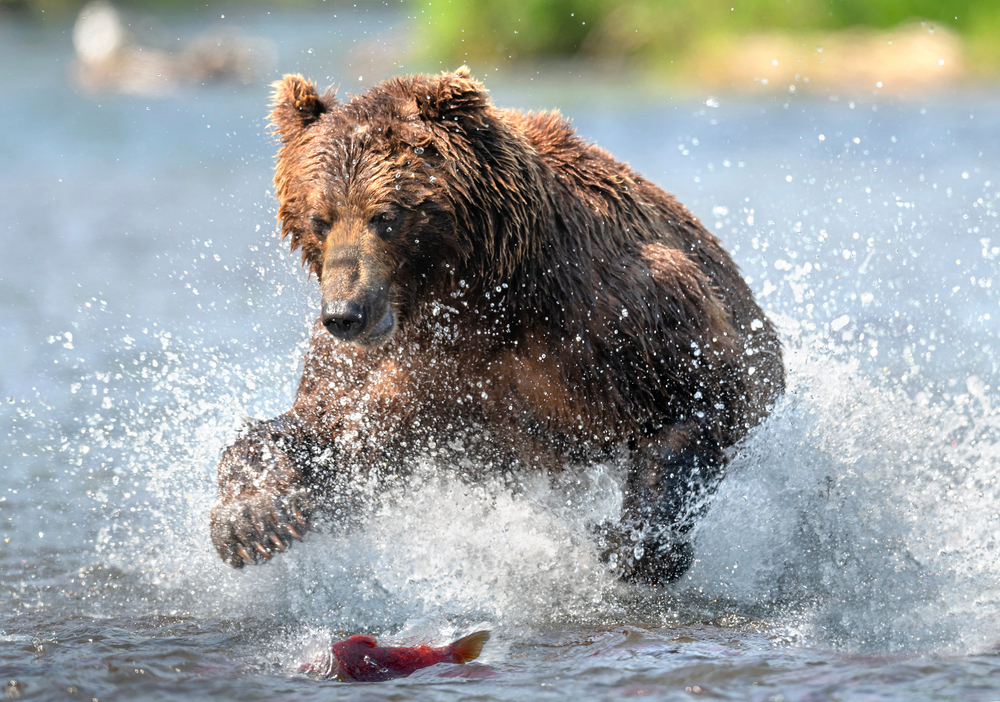
There are few wildlife photography experiences that compare to watching Alaska’s coastal brown bears in their natural habitat. Whether you’re photographing bears feeding along salmon streams or roaming remote tidal flats, the right camera gear can make the difference between a once-in-a-lifetime image and a missed opportunity.
Quick Answer
The best camera gear for photographing Alaska’s brown bears includes a weather-sealed camera body, a telephoto lens in the 100 to 600mm range, fast memory cards, extra batteries, a sturdy monopod or tripod, and protective gear for changing coastal weather. Equally important is choosing an air charter that safely transports photographers to remote bear viewing locations where wildlife encounters are possible without disturbing the animals.
What Local Readers Should Know
-
Coastal weather around the Kenai Peninsula can change quickly, so weather-resistant equipment is a major advantage.
-
Brown bear viewing areas near Lake Clark National Park and Katmai National Park are only accessible by aircraft or boat.
-
Long telephoto lenses allow photographers to capture natural behavior while maintaining a respectful distance.
-
Early morning and evening light often provide the best opportunities for dramatic wildlife photography in Southcentral Alaska.
-
Packing efficiently matters because bush aircraft typically have weight limitations for passengers and gear.
Why Camera Gear Matters for Bear Photography in Coastal Alaska
The right camera gear helps photographers capture sharp, detailed images while respecting wildlife and adapting to Alaska’s unpredictable conditions. Around Kenai, changing weather, variable lighting, and remote access all present challenges that require thoughtful preparation.
Many of Alaska’s premier bear photography destinations, including Lake Clark National Park, Katmai National Park, and the west side of Cook Inlet, experience rain, wind, and rapidly shifting light throughout the day. Moisture, sand, and salt spray can all affect sensitive camera equipment.
Alaska West Air Inc helps visitors reach remote bear viewing locations by air, allowing photographers to access landscapes that are otherwise difficult or impossible to reach. After that first introduction, we focus on providing safe, efficient transportation so visitors can spend more time enjoying Alaska’s remarkable wildlife.
Local Field Observations
Professional wildlife photographers who regularly visit coastal Alaska often prioritize reliability over carrying every available piece of equipment. In remote locations, changing lenses repeatedly can expose camera sensors to blowing sand, moisture, and dust.
Many experienced visitors also carry a second camera body. This reduces lens changes and provides a backup should equipment malfunction during a trip where returning to town is not an option.
The Best Camera Body for Brown Bear Photography
A weather-sealed camera body is one of the most valuable investments for photographing Alaska’s brown bears.
Features worth prioritizing include:
-
Fast continuous shooting speeds
-
Reliable autofocus with animal tracking
-
Excellent low-light performance
-
Strong weather sealing
-
Long battery life
Mirrorless cameras have become increasingly popular thanks to their autofocus capabilities, while many DSLR systems remain excellent choices for photographers who already own compatible lenses.
Choosing the Right Telephoto Lens
A telephoto lens between 100mm and 600mm offers the versatility needed for most bear photography situations.
Common options include:
-
100 to 400mm for larger environmental portraits
-
200 to 600mm for distant wildlife
-
400mm prime lenses for exceptional image quality
-
500mm or 600mm primes for professional wildlife specialists
Because bear behavior is unpredictable, zoom lenses often provide more flexibility than fixed focal lengths.
Essential Accessories You Shouldn’t Leave Behind
The best accessories improve reliability during long days in remote Alaska.
Recommended gear includes:
-
Extra batteries stored in warm pockets
-
Multiple high-speed memory cards
-
Rain covers
-
Microfiber cleaning cloths
-
Lens cleaning supplies
-
Waterproof backpack
-
Monopod or lightweight tripod
-
Circular polarizing filter for certain landscape shots
Portable battery chargers can also be valuable during multi-day adventures.
Weather Protection Is Just as Important as Camera Equipment
Protecting your gear from Alaska’s coastal weather is every bit as important as selecting the camera itself.
Rain showers can appear unexpectedly around Cook Inlet, and wind-driven moisture may continue throughout the day. Waterproof bags, dry sacks, and protective covers help prevent unnecessary equipment damage.
Keeping silica gel packs inside camera bags can also help reduce moisture buildup after returning indoors.
Warning Signs That Your Gear Needs Better Preparation
Several issues suggest your equipment setup may need improvement before a bear photography trip.
Common warning signs include:
-
Batteries draining rapidly
-
Lens fogging during temperature changes
-
Difficulty focusing in low light
-
Camera struggling in rain
-
Insufficient focal length requiring heavy cropping
-
Running out of storage space
-
Carrying too much unnecessary equipment
Addressing these issues before departure helps photographers focus on wildlife rather than equipment problems.
When Professional Planning Makes the Difference
Professional planning helps photographers maximize both safety and photography opportunities in remote Alaska.
While selecting camera equipment can be done at home, logistics such as transportation, weather timing, landing locations, and flight coordination benefit from experienced local operators.
Planning ahead also allows photographers to better match their gear to the locations they’ll be visiting.
Common Challenges for Wildlife Photographers in This Region
Several local conditions influence photography success.
Rapid Weather Changes
Clouds, rain, and sunshine can all occur within a single afternoon.
Weight Restrictions
Bush aircraft have practical baggage limitations, making efficient packing essential.
Variable Lighting
Overcast conditions can actually produce excellent wildlife images by reducing harsh shadows.
Remote Locations
Many premier bear viewing destinations have no services, requiring photographers to bring everything they need for the day.
Preventing Equipment Problems
Good preparation reduces stress during your trip.
Helpful practices include:
-
Charge every battery before departure.
-
Format memory cards in advance.
-
Test all equipment before traveling.
-
Pack lenses securely.
-
Carry waterproof storage.
-
Organize gear for quick access after landing.
Simple preparation often leads to a much smoother experience in the field.
What Results Can You Expect?
Quality camera gear improves image potential, but patience remains one of the most important tools in wildlife photography.
Bear behavior changes throughout the day, and natural interactions cannot be predicted. Spending time observing wildlife often produces stronger photographs than constantly repositioning for different angles.
Every outing offers unique opportunities depending on weather, light, salmon activity, and seasonal conditions.
Common Mistakes Wildlife Photographers Make
Mistake: Bringing only one battery.
Consequence: Missing photo opportunities after unexpected battery drain.
Better Approach: Carry several fully charged batteries.
Mistake: Packing too many lenses.
Consequence: Extra weight and slower response times.
Better Approach: Choose versatile focal lengths.
Mistake: Ignoring weather protection.
Consequence: Equipment damage from rain or moisture.
Better Approach: Pack protective covers and waterproof storage.
Mistake: Standing too close to wildlife.
Consequence: Safety risks and disturbing natural behavior.
Better Approach: Use longer lenses and follow guide instructions.
A Common Local Photography Scenario
A photographer departs from the Kenai area on an early morning flight toward the west side of Cook Inlet. Low clouds gradually clear, revealing bears feeding along salmon streams. With a weather-sealed camera, a 100 to 400mm lens, and extra batteries already organized, they spend the day photographing natural bear behavior without needing to return to the aircraft for forgotten equipment.
Related Travel Solutions
Choosing dependable transportation is an important part of any bear photography adventure.
We help visitors access remote bear viewing areas that cannot be reached by road, allowing photographers to spend more time in the field and less time managing complicated travel logistics.
Comparing Your Options
| Option | Advantages | Considerations |
|---|---|---|
| Basic Zoom Lens | Lightweight and affordable | Limited reach |
| Telephoto Zoom | Flexible framing for wildlife | Larger and heavier |
| Prime Telephoto | Outstanding image quality | Less flexible composition |
| Single Camera Body | Simpler packing | No backup if equipment fails |
| Two Camera Bodies | Reduces lens changes | Additional weight |
Service Areas
We serve visitors departing from Kenai and provide access to remote wildlife destinations across Cook Inlet, including areas near Lake Clark National Park and Katmai National Park. These scenic regions are among Alaska’s premier locations for viewing coastal brown bears in the wild.
The Cost of Poor Preparation
Waiting until the last minute to organize your gear can result in missed wildlife encounters, equipment issues, or unnecessary stress during your trip. Preparing your equipment before departure helps you spend more time enjoying Alaska’s extraordinary landscapes and wildlife.
Frequently Asked Questions
What lens is best for photographing brown bears near Kenai?
A telephoto zoom between 100mm and 400mm or 200mm and 600mm provides excellent flexibility for wildlife photography while maintaining a safe distance from bears.
Do I need weather-sealed camera gear in coastal Alaska?
Yes. Weather-sealed equipment offers added protection against rain, moisture, and changing conditions commonly experienced around Cook Inlet and nearby coastal areas.
Can I bring professional camera equipment on a bush flight?
Yes, but baggage capacity varies depending on the aircraft and passenger load. Packing efficiently helps ensure a smooth experience.
What time of year offers the best bear photography opportunities?
Many photographers visit during salmon runs when bears gather along streams. Exact timing varies by location and seasonal conditions.
Is a tripod necessary for wildlife photography in Alaska?
Not always. Many photographers prefer monopods or handheld shooting because wildlife movement often requires greater mobility.
Why are remote bear viewing locations so popular?
Remote areas provide opportunities to observe bears behaving naturally in expansive wilderness settings with fewer distractions than more accessible locations.
How many batteries should I bring?
Bringing at least two or three fully charged batteries is recommended, especially during cooler weather when battery life may decrease.
Why do photographers choose air charters from Kenai?
Air charters provide efficient access to remote wildlife viewing areas that cannot be reached by road, allowing photographers to maximize their time in the field.
Capture Alaska’s Wild Beauty with Confidence
The right camera gear prepares you for unforgettable encounters with Alaska’s iconic brown bears. Careful planning, reliable equipment, and access to remote locations all contribute to a rewarding photography experience.
Ready to Photograph Alaska’s Brown Bears?
We help visitors reach some of Alaska’s most spectacular bear viewing destinations safely and efficiently.