
Guide to Alaska’s Salmon Species
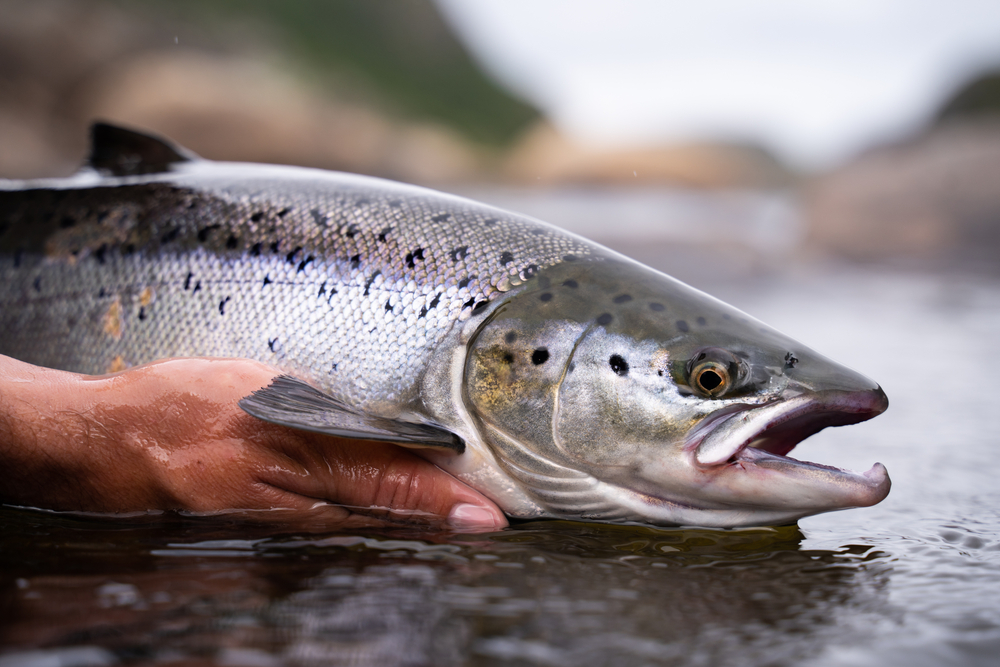
Salmon are woven into life across Alaska, and the Kenai Peninsula offers a front-row seat to their remarkable annual migrations. Around Kenai, the Kenai River, Cook Inlet, and surrounding waters support several Pacific salmon species, each with its own appearance, life cycle, and seasonal patterns.
If you are visiting Kenai, AK, knowing the differences between Alaska’s salmon species can make time on the water more meaningful. It also helps explain why fishing opportunities can change throughout the season as different runs arrive and fisheries are managed.
Quick answer: Alaska is home to five species of Pacific salmon: Chinook, sockeye, coho, pink, and chum. Alaskans commonly know them as king, red, silver, pink or humpy, and chum or dog salmon. Around the Kenai Peninsula, the timing and prominence of each species vary by river, drainage, and year.
What local visitors should know
-
Chinook, or king salmon, are the largest of Alaska’s five Pacific salmon species.
-
Sockeye, commonly called reds, are closely associated with summer fishing on the Kenai River and other Kenai Peninsula waters.
-
Coho, or silver salmon, provide fishing opportunities later in the summer in many Southcentral Alaska fisheries.
-
Pink salmon are especially abundant during their dominant return years in many Alaska waters.
-
Chum salmon occur throughout Alaska, although they are more prominent in some regions and drainages than others.
Why Salmon Species Matter Around Kenai
Knowing the different salmon species matters around Kenai because each species follows its own migration patterns, and fishing regulations and opportunities can vary accordingly. The Kenai River is one of the defining natural features of the central Kenai Peninsula, while Cook Inlet connects the area’s rivers with the marine environment salmon use during their lives.
The region also includes nearby Soldotna, the Kasilof River, Skilak Lake, Kenai Lake, and numerous smaller waterways. Together, these places create a diverse salmon landscape.
For visitors, identifying the species is only part of understanding the fishery. Run timing, current abundance, location, gear restrictions, and emergency orders can all affect what fishing is available on a particular day.
Alaska West Air Inc serves visitors in Kenai, AK. When we discuss Alaska salmon, we think it is helpful to understand both the fish themselves and the local waters that make salmon such an important part of the Kenai Peninsula experience.
King Salmon: Alaska’s Chinook
King salmon, also called Chinook, are the largest Pacific salmon species and one of Alaska’s most recognizable game fish. Their size gives them an unmistakable reputation, and the Kenai River has long been closely associated with Chinook salmon.
Kings generally have dark spots along their back and on both lobes of the tail. Their gums are dark or black, another useful identification feature.
The Kenai River supports both early-run and late-run king salmon. However, anglers should never assume that historical run timing means fishing is currently open.
That distinction is especially important in 2026. Alaska Department of Fish and Game has closed Kenai River king salmon sport fishing during significant portions of the season to protect returning fish. Visitors should check current regulations and emergency orders before planning to target kings.
Sockeye Salmon: The Famous Alaska Red
Sockeye salmon, usually called reds in Alaska, are one of the most important summer salmon species around the Kenai Peninsula. Large numbers migrate from salt water into freshwater systems, creating one of the region’s most recognizable seasonal events.
In the ocean, sockeye are silver-bodied fish with blue-green backs. As they approach spawning, their appearance changes dramatically. Mature spawning sockeye develop the brilliant red body and greenish head responsible for the familiar nickname “red salmon.”
The Kenai River is particularly well known for sockeye. The nearby Kasilof River also supports sockeye returns, making this species a major part of summer life across the central peninsula.
Visitors should remember that run strength and regulations can change. Current Alaska Department of Fish and Game information is more useful for trip planning than relying solely on a calendar from a previous year.
Coho Salmon: Alaska’s Silver Salmon
Coho salmon, better known as silvers in Alaska, are a popular later-season salmon species around Kenai and other parts of Southcentral Alaska. Their arrival helps extend salmon fishing opportunities beyond the peak periods associated with some earlier summer runs.
Fresh coho are bright silver with a darker back. They have spots on their back and typically on the upper lobe of the tail. Their gums are lighter than those of king salmon, which can help distinguish the two.
For travelers planning an Alaska fishing experience later in summer, coho are a species worth knowing. Their timing varies by waterway and year, so current local conditions remain important.
Around Kenai, anglers may encounter coho opportunities in freshwater and Cook Inlet-connected fisheries depending on season and regulations.
Pink Salmon: Alaska’s Humpies
Pink salmon are the smallest Pacific salmon species and are commonly called humpies because spawning males develop a pronounced hump on their backs. They have a distinctive two-year life cycle, which produces especially noticeable returns in particular years.
Pinks can be identified by large oval spots on their backs and tail fins. Before spawning, they have bright silver sides. Their physical appearance changes considerably after entering freshwater.
Pink salmon are found across Alaska and can appear in Southcentral waters accessible from the Kenai Peninsula.
Because abundance can differ sharply from one year to another, visitors should consider both the year and the specific drainage when researching pink salmon opportunities.
Chum Salmon: A Distinctive Pacific Species
Chum salmon, sometimes called dog salmon, are one of Alaska’s five Pacific salmon species and become particularly distinctive as they approach spawning. Although chum are less closely associated with Kenai River sport fishing than sockeye or coho, they are an important part of Alaska’s broader salmon story.
Ocean-bright chum can look relatively similar to other silver salmon at first glance. As spawning approaches, however, they develop dramatic bands of color along their sides.
Chum salmon are distributed widely across Alaska. Their importance and abundance vary considerably by region, so visitors should not assume every Alaska salmon destination offers the same mix of species.
That regional variation is one reason learning about salmon in Kenai is different from reading a general guide to fishing elsewhere in Alaska.
Local Data and Current Kenai River Conditions
Current Alaska Department of Fish and Game information shows why salmon fishing plans around Kenai should always account for in-season management. Fishery managers can change seasons, methods, bag limits, or access to particular fisheries when conservation needs require action.
For example, Alaska Department of Fish and Game announced closures affecting Kenai River early-run and late-run king salmon sport fishing in 2026. The late-run closure includes a prohibition on targeting king salmon, including catch-and-release fishing, through August 15, 2026 unless superseded by another emergency order.
Other salmon fishing remains possible where regulations allow, but gear restrictions can accompany king salmon conservation measures.
The practical lesson is simple: identifying a salmon species is only the beginning. Always confirm the regulations that apply to the exact water, date, and species you intend to fish.
When Do Salmon Run Around Kenai?
Salmon runs around Kenai generally span the warmer months, but there is no single salmon season that accurately describes every species or fishery. Kings, sockeye, coho, and other salmon can overlap, while individual runs may have early and late components.
This creates a changing seasonal picture. A visitor arriving in June may encounter very different opportunities from someone visiting the same area in late July or August.
Weather, water conditions, fish abundance, conservation measures, and emergency orders can further affect what is available.
For that reason, travelers should plan around the species they hope to experience while keeping enough flexibility to respond to current conditions.
How to Tell Alaska Salmon Species Apart
The easiest way to tell Alaska salmon species apart is to examine several features together, including size, spots, tail markings, gums, and spawning coloration. Color alone can be misleading because salmon change substantially as they move from salt water toward their spawning grounds.
A few useful identification clues include:
-
King salmon typically have black gums and spots on both lobes of the tail.
-
Sockeye generally lack prominent spots on the back and tail and develop striking red spawning coloration.
-
Coho have spots primarily on the upper tail lobe and lighter gums than kings.
-
Pink salmon have large oval spots on the back and tail, with spawning males developing a noticeable hump.
-
Chum develop distinctive vertical or irregular bands of color as spawning approaches.
When regulations depend on species identification, anglers should be confident about what they have caught before retaining a fish.
Common Mistakes Visitors Make With Alaska Salmon
The most common salmon mistakes around Kenai involve assuming run timing, regulations, or fish identification will be the same throughout an Alaska trip. Local fisheries are dynamic, and a better approach is to plan with current conditions in mind.
Mistake: Assuming every salmon species runs at once.
Consequence: A trip may be timed poorly for the species you most want to see or pursue.
Better approach: Research the specific species and drainage before choosing travel dates.
Mistake: Using last year’s fishing regulations.
Consequence: Emergency orders may have changed what species can be targeted or which gear can be used.
Better approach: Check current Alaska Department of Fish and Game information.
Mistake: Identifying salmon by color alone.
Consequence: Ocean-bright and spawning salmon can look dramatically different.
Better approach: Use spots, tail markings, gums, body shape, and coloration together.
Mistake: Treating “Alaska salmon fishing” as one fishery.
Consequence: Visitors can overlook major differences between the Kenai River, Kasilof River, Cook Inlet, and other waters.
Better approach: Plan for the specific area and species.
A Common Kenai Visitor Scenario
A common Kenai visitor scenario is arriving with one salmon species in mind only to discover that another species offers the more relevant opportunity during the trip. This is not a case study, but it illustrates why flexibility matters when visiting Alaska.
Someone may associate the Kenai River primarily with king salmon, for example, while current conservation restrictions prevent king fishing. Depending on timing and regulations, sockeye, coho, or other fishing opportunities may still be available.
Understanding the five salmon species helps visitors appreciate those alternatives rather than viewing a trip around a single fish.
Planning a Salmon-Focused Alaska Experience
A good salmon-focused Alaska experience starts by matching the species, season, location, and current regulations rather than choosing dates from a generic fishing calendar. Around the Kenai Peninsula, the combination of rivers, lakes, and Cook Inlet creates multiple ways to experience Alaska’s salmon country.
Before making plans, consider which species interests you, when you will be in Alaska, and how much flexibility you have if conditions change.
Comparing Alaska’s Five Salmon Species
Alaska’s five Pacific salmon species differ most noticeably in size, appearance, run patterns, and how commonly visitors encounter them in particular regions. For Kenai travelers, recognizing those differences provides useful context before heading into the field.
| Species | Common Alaska Name | Helpful Identification Feature |
|---|---|---|
| Chinook | King | Large size, black gums, spotted tail |
| Sockeye | Red | No prominent tail spots, vivid spawning colors |
| Coho | Silver | Spots on upper tail lobe, lighter gums |
| Pink | Humpy | Large tail spots, spawning male develops hump |
| Chum | Dog | Dramatic spawning bands along body |
These characteristics are useful starting points, but anglers should use reliable fish-identification resources when species identification affects retention or regulations.
Salmon Country Beyond Kenai
The salmon story around Kenai extends across the central Kenai Peninsula and the waters feeding Cook Inlet. Nearby Soldotna sits along the Kenai River, while the Kasilof River, Skilak Lake, Kenai Lake, and surrounding drainages add to the region’s freshwater diversity.
Together, these waters make the peninsula a particularly interesting place to learn how Alaska’s salmon species use connected marine and freshwater habitats.
Why Current Regulations Matter
Ignoring current salmon regulations can create legal problems and can conflict with conservation measures designed to protect vulnerable runs. Around Kenai, emergency orders are a normal part of active fishery management, particularly when salmon returns differ from preseason expectations.
Do not assume a fishery is open because it normally operates during a particular month. Confirm the current rules for your destination and date before fishing.
FAQ About Alaska Salmon Species
How many salmon species are found in Alaska?
Alaska has five species of Pacific salmon: Chinook, sockeye, coho, pink, and chum. They are commonly called king, red, silver, pink or humpy, and chum or dog salmon. Their distribution and run timing vary across the state, so not every Alaska destination offers identical salmon opportunities.
What salmon is the Kenai River best known for?
The Kenai River is strongly associated with both king and sockeye salmon, while coho also contribute to its seasonal fisheries. Which species visitors can pursue depends on timing and current regulations. In 2026, significant king salmon closures make checking Alaska Department of Fish and Game emergency orders particularly important.
When is salmon season in Kenai, AK?
Salmon opportunities around Kenai generally occur across the warmer months rather than during one universal salmon season. Individual species and runs arrive at different times, and management actions can change fishing opportunities. Visitors should choose travel dates based on the species they want to experience and verify current regulations.
Are king salmon and Chinook salmon the same fish?
Yes, king salmon and Chinook salmon are two names for the same species. “King” is widely used in Alaska and reflects the species’ exceptional size. Around the Kenai Peninsula, Chinook have considerable historical and cultural importance, although conservation restrictions can limit when anglers may target them.
Are red salmon and sockeye salmon the same species?
Yes, red salmon is the common Alaska name for sockeye salmon. The nickname is especially fitting once mature sockeye develop vivid red spawning coloration. Sockeye are a major part of the summer salmon story around the Kenai River and elsewhere on the Kenai Peninsula.
What are silver salmon called outside Alaska?
Silver salmon are more formally known as coho salmon. Fresh coho have bright silver sides, and they are a popular later-season species in many Alaska fisheries. Around Kenai and Cook Inlet, their timing can provide salmon opportunities after portions of the main summer sockeye season.
Can I fish for king salmon in the Kenai River in 2026?
Kenai River king salmon fishing is subject to major closures in 2026. Alaska Department of Fish and Game closed the late-run king salmon sport fishery downstream of Skilak Lake’s outlet through August 15, 2026 unless superseded. Anglers should check the latest emergency orders immediately before fishing.
What is the easiest way to identify Alaska salmon?
The easiest approach is to combine several physical characteristics rather than relying on color alone. Look at tail spots, gums, body size, overall shape, and spawning coloration. This is particularly important around Kenai when regulations differ by species and correctly identifying a caught fish matters.
Do all five salmon species return to Kenai at the same time?
No, Alaska’s five Pacific salmon species do not all return to Kenai waters at the same time or in equal abundance. Runs vary by species, drainage, season, and year. That variation is why visitors should research the specific waterway and current fishery conditions instead of relying on a statewide salmon calendar.
Experience Alaska’s Salmon Country From Kenai
Understanding kings, reds, silvers, pinks, and chum adds another layer to exploring the Kenai Peninsula. These fish connect Cook Inlet with some of Southcentral Alaska’s most recognizable rivers and help define the rhythm of summer across the region.
See More of Alaska From Kenai
We can help you explore an Alaska experience shaped around the landscape, season, and opportunities available during your visit.