
Why Alaska Has High Brown Bear Density
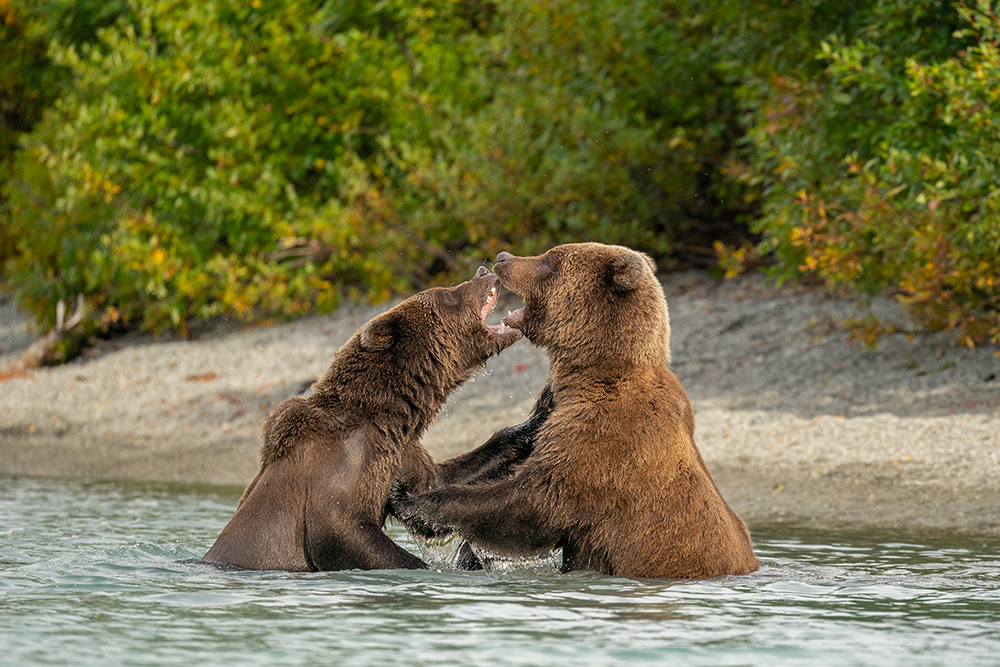
Seeing several brown bears feeding along the same river or coastal flat can seem unusual almost anywhere else. Around Southcentral and Southwest Alaska, however, exceptionally productive salmon streams, rich coastal habitat, and vast stretches of wilderness can support concentrations of bears that few other places can match.
For travelers starting in Kenai, understanding why these bears gather also explains why destinations across Cook Inlet have become some of Alaska’s best-known wildlife viewing areas.
Quick answer: Alaska has high brown bear density because large areas provide abundant food, productive salmon runs, varied coastal vegetation, and extensive habitat with relatively little development. Alaska Department of Fish and Game reports that resource-rich areas such as the Alaska Peninsula, Kodiak, and Admiralty Island can support densities as high as roughly one brown bear per square mile.
What local readers and visitors should know
-
Salmon are one of the biggest reasons coastal Alaska can support large, healthy brown bears.
-
Coastal sedge flats, berries, roots, and other plants provide additional seasonal food before and after salmon runs.
-
Areas across Cook Inlet from Kenai connect travelers with some of the state’s most productive brown bear habitat.
-
Brown bears and grizzly bears are the same species, although the term “brown bear” is commonly used for large coastal populations.
-
Bear concentrations change through the season as different foods become available.
Why Brown Bear Density Is So High in Coastal Alaska
Coastal Alaska supports high brown bear density primarily because bears can find large quantities of nutritious food within productive ecosystems. Salmon-filled streams are especially important, but bears also use wetlands, tidal flats, berry-producing areas, river bottoms, and other habitats throughout the year.
Alaska Department of Fish and Game explains that coastal brown bears generally have access to more abundant food and a milder climate than many bears living farther inland. Those conditions can support both larger individual bears and greater numbers of bears in the same general landscape.
This distinction matters around the Kenai Peninsula. The region sits near Cook Inlet and within flying range of remote coastal country where rivers, lakes, mountains, and tidal habitats create productive feeding areas.
At Alaska West Air Inc, we provide fly-out bear viewing and flightseeing experiences from the Kenai area, giving visitors access to remote Alaska landscapes where wildlife can be observed in natural habitat.
Salmon Are a Major Driver of Brown Bear Concentrations
Salmon runs allow many brown bears to concentrate near the same waterways because they deliver an unusually rich seasonal food supply. During summer and early fall, bears may shift their movements toward rivers, creeks, and lake systems where spawning salmon become available.
The National Park Service identifies salmon as a major reason brown bears gather in places such as Katmai National Park and Preserve. Bears spend much of their active season searching for food, so locations offering dependable, concentrated calories naturally draw more animals.
For visitors departing Kenai, this is why bear viewing is closely connected to season and destination. Bears are not evenly distributed across Alaska. They move according to changing food availability.
Coastal Habitat Provides More Than Fish
Alaska’s productive coast supports bears with sedges, berries, roots, shellfish, and other foods in addition to salmon. That dietary variety helps explain why areas along the Alaska Peninsula and the coast of Katmai can support so many animals.
National Park Service observations from Katmai show brown bears using coastal sedge flats in early summer and moving toward salmon streams as fish become available. Some coastal bears also forage on tidal flats.
That variety matters because a bear does not depend on one food source every day of the season. A landscape containing multiple productive habitats can give bears feeding opportunities from spring through fall.
Why Katmai and the Alaska Peninsula Stand Out
Katmai and the Alaska Peninsula stand out because their coastal ecosystems combine plentiful food with large areas of relatively undeveloped habitat. The National Park Service describes portions of the Katmai coastline as supporting some of the highest documented brown bear densities in North America.
Katmai National Park and Preserve estimates roughly 2,200 brown bears within its approximately 4.2 million acres. Those animals are not spread evenly throughout the park. Food-rich rivers, lakeshores, coastal flats, and salmon streams can produce much greater local concentrations than less productive terrain.
From Kenai, remote destinations across Cook Inlet can therefore offer a dramatically different wildlife experience from what travelers see along developed roads and communities.
How Brown Bear Activity Changes Through the Season
Brown bear concentrations change throughout the year because bears follow the most useful food source available at the time. Spring vegetation, summer salmon, berries, roots, and fall feeding opportunities can all influence where animals spend their time.
In spring, recently emerged bears often seek early vegetation in lower-elevation areas. As summer develops, bears may use river bottoms, herbaceous areas, berry habitat, and salmon waterways. During fall, salmon streams and riparian areas can continue to attract feeding bears before denning season.
For visitors planning wildlife trips from Kenai, this seasonal movement is one reason there is no single bear-viewing location that behaves exactly the same throughout the year.
What High Bear Density Means for Wildlife Viewing
High brown bear density can create excellent viewing opportunities, but it never means a wildlife sighting is guaranteed. Bears remain wild animals that choose where and when to move according to food, weather, competition, and other natural conditions.
The advantage of traveling into productive bear habitat is not that bears appear on command. Instead, visitors are entering landscapes that naturally attract bears because the habitat provides what they need.
Our fly-out bear viewing trips are designed around access to remote wildlife areas, including locations across Cook Inlet. Depending on the trip and seasonal conditions, visitors may observe bears feeding, traveling, or interacting within their natural environment.
Common Signs You Are in Productive Brown Bear Habitat
Productive brown bear habitat usually combines food, water, cover, and enough space for animals to move naturally. Around Southcentral and Southwest Alaska, several landscape features can indicate areas where bear activity may be more likely.
-
Active salmon streams can attract feeding bears during fish runs.
-
Coastal sedge flats provide important vegetation during portions of the season.
-
River corridors give bears access to food and travel routes.
-
Berry-producing slopes and openings become valuable as berries ripen.
-
Tidal flats can provide additional coastal feeding opportunities.
-
Remote shorelines and undeveloped watersheds often provide greater habitat continuity.
-
Trails, tracks, disturbed vegetation, or other bear sign can indicate recent activity, although visitors should never approach wildlife to investigate.
Why Professional Bear Viewing Makes Sense
Professional bear viewing helps visitors reach remote habitat while benefiting from local knowledge of aircraft operations, destinations, and seasonal conditions. Much of Alaska’s strongest brown bear habitat is far beyond the road system, making access an important part of planning the experience.
Visitors should never treat high-density bear habitat like a zoo or controlled attraction. National Park Service guidance emphasizes giving bears room to feed, travel, sleep, and behave naturally.
From our base near Kenai, air access makes it possible to reach areas that would otherwise require substantially more travel or may not be road-accessible at all.
Common Bear Viewing Mistakes
The most common bear viewing mistakes involve assuming wildlife will behave predictably or focusing so heavily on photographs that visitors lose awareness of their surroundings.
Mistake: Expecting guaranteed sightings.
Wild animals move freely, so even excellent habitat cannot produce guaranteed encounters. A better approach is to view the entire flight and landscape as part of the experience.
Mistake: Assuming all parts of Alaska have the same bear density.
Bear density varies dramatically with habitat quality. Food-rich coastal areas can support many more bears than less productive country.
Mistake: Planning without considering season.
A productive viewing location in one month may look very different later. Salmon runs and other food sources influence bear movement.
Mistake: Getting too focused on the perfect photograph.
Wildlife needs space. Visitors should follow guide instructions and allow bears to move and feed without interference.
A Common Local Bear Viewing Scenario
A common Kenai bear viewing trip starts with a flight across or around Cook Inlet toward remote habitat where road access is limited or nonexistent. From the air, travelers begin to see just how much the landscape changes beyond the developed portions of the peninsula.
Instead of neighborhoods and highways, the view may include large waterways, mountains, wetlands, shoreline habitat, and extensive wilderness. Once in productive bear country, the reason for Alaska’s high bear density becomes easier to understand. There is simply an extraordinary amount of habitat and seasonal food available.
Actual wildlife activity varies from trip to trip because these are wild animals in an uncontrolled environment.
Bear Viewing and Flightseeing Options From Kenai
Bear viewing and flightseeing offer different ways to experience Alaska’s wildlife landscapes from Kenai. Bear viewing focuses more directly on reaching productive wildlife habitat, while flightseeing emphasizes the larger landscape, including mountains, glaciers, volcanoes, waterways, and possible wildlife sightings from the air.
We offer fly-out bear viewing trips as well as flightseeing and custom charter options. The right choice depends on whether your priority is spending time around bear habitat or seeing a broader range of Alaska scenery.
Comparing Bear Viewing With General Flightseeing
Bear viewing is the better fit when brown bears are the main reason for your trip, while general flightseeing is better for travelers who want a broader scenic overview. Both can reveal how enormous and lightly developed the country surrounding the peninsula really is.
A dedicated bear trip focuses on destinations selected for wildlife viewing potential. A scenic flight may include glaciers, mountains, Cook Inlet, volcanoes, and opportunities to spot wildlife along the way. Neither experience should be treated as guaranteeing a particular wildlife sighting.
Service Areas and Destinations
Our base in Kenai provides access to the Kenai Peninsula, Cook Inlet, and remote destinations throughout Southcentral and Southwest Alaska. Bear viewing destinations may include areas across the inlet where rich coastal habitat and salmon systems attract brown bears.
Trip destinations depend on the experience selected, seasonal conditions, weather, and operational considerations.
What You Miss by Viewing Bears Only From the Road System
Limiting an Alaska wildlife trip to the road system can mean missing some of the state’s most productive remote habitat. The greatest concentrations of coastal brown bears are often associated with waterways and wilderness landscapes that are difficult or impossible to reach by ordinary vehicle.
Flying also provides perspective. From above, visitors can see the relationship between mountains, rivers, wetlands, shorelines, and undeveloped land that makes this region so productive for wildlife.
FAQ
Why does Alaska have such a high density of brown bears?
Alaska has high brown bear density because many regions combine abundant food with extensive habitat. Productive salmon runs are especially valuable along the coast, while sedges, berries, roots, and other foods support bears at different times of year. Areas with the richest resources can sustain far greater densities than less productive regions.
Are brown bears common around Kenai?
Brown bears occur on the Kenai Peninsula, but their distribution is not uniform. Habitat, food sources, human development, and seasonal movement all influence where bears are found. Travelers interested in concentrated viewing often fly from the peninsula toward remote coastal habitats across Cook Inlet where productive feeding areas attract bears.
Are Alaska brown bears and grizzly bears different species?
No. Brown bears and grizzly bears are the same species, Ursus arctos. In Alaska, the term brown bear is commonly associated with coastal animals that have access to rich food sources such as salmon, while grizzly is often used for bears living in interior or northern environments.
Where are some of Alaska’s highest brown bear densities?
Some of Alaska’s highest brown bear densities occur in highly productive coastal areas. Alaska Department of Fish and Game identifies the Alaska Peninsula, Kodiak, and Admiralty Island among places capable of supporting exceptionally high densities, while the National Park Service notes particularly high documented densities along portions of Katmai’s coast.
Why do salmon attract so many bears?
Salmon attract brown bears because they provide a concentrated, calorie-rich seasonal food source. When spawning fish enter rivers and streams, bears can gather where those fish are accessible. This abundance helps explain why salmon watersheds around the Alaska Peninsula and other coastal regions support such significant bear populations.
When is bear viewing available from Kenai?
Summer is a key bear-viewing period because seasonal food sources, including salmon, can concentrate bears in accessible feeding areas. Alaska West Air currently lists fly-out bear viewing trips among its experiences, with individual destinations having their own operating seasons. Weather and wildlife movement can influence any particular day’s experience.
Can I see brown bears while flightseeing near Cook Inlet?
Wildlife can sometimes be seen during flightseeing around Cook Inlet and surrounding wilderness, but sightings are never guaranteed. A general scenic flight covers broader landscapes, while a dedicated fly-out bear viewing trip is a better choice when observing brown bears is the primary goal of your Alaska visit.
Why can coastal Alaska support larger bears?
Coastal Alaska can support larger brown bears because many coastal habitats provide exceptionally rich food resources, particularly spawning salmon. Alaska Department of Fish and Game notes that abundant coastal food and comparatively mild conditions allow many coastal brown bears to grow larger and occur at higher densities than bears in less productive northern and interior habitats.
See Alaska’s Brown Bear Country From a Local Starting Point
Alaska’s extraordinary brown bear populations are the result of productive ecosystems, abundant seasonal food, and enormous stretches of habitat. Starting in Kenai puts travelers within reach of some remarkable coastal wilderness and gives them a chance to see the landscape that makes these bear populations possible.
Experience Alaska’s Wild Habitat Beyond the Road System
Explore remote bear country with a local flight experience built around Alaska’s landscapes and wildlife.