
What Not to Do Around Bear Cubs in Alaska
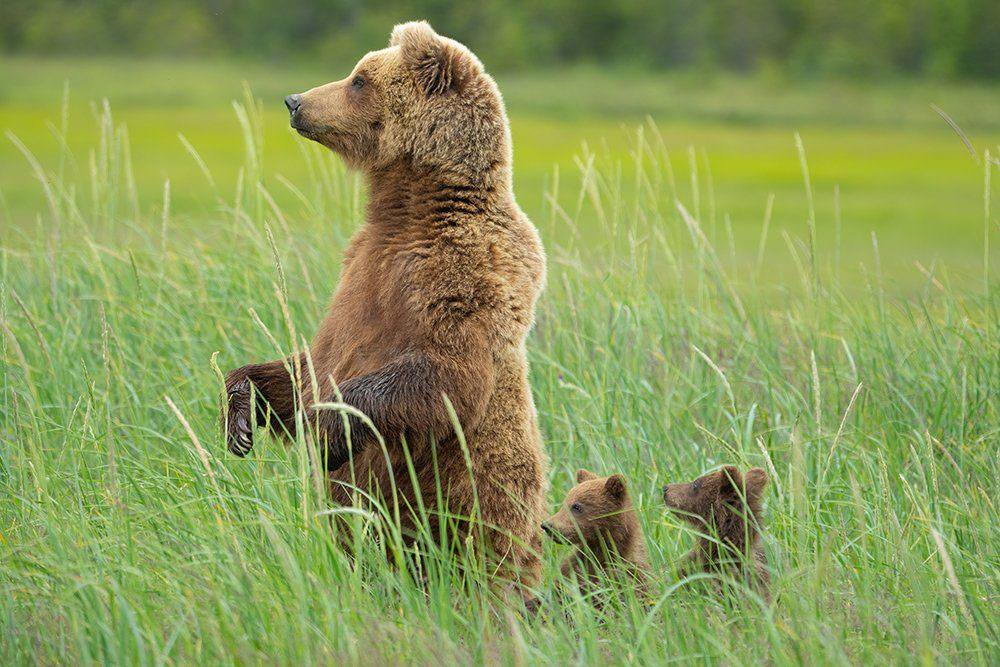
Seeing bear cubs in Alaska can be unforgettable, but it is also a situation that calls for restraint. Around Kenai and the greater Kenai Peninsula, both black and brown bears live in the region, and a cub that appears to be alone may still have its mother nearby.
The safest approach is simple: give bear cubs plenty of space, do not approach them, and never place yourself between cubs and an adult bear.
Quick answer: If you encounter bear cubs in Alaska, do not approach them for a closer look or photo, do not feed or touch them, and do not assume they have been abandoned. Alaska Department of Fish and Game advises people who find bear cubs alone to leave the area because the sow may be nearby and may aggressively defend her young.
What local visitors should know
-
Never move closer to a bear cub, even when you cannot see an adult bear nearby.
-
Around Kenai and the Kenai Peninsula, travelers should remember that both black and brown bears may be encountered in bear habitat.
-
Do not get between a sow and her cubs, since a mother bear may interpret your presence as a threat.
-
Never run from a bear during an encounter.
-
Give wildlife room to continue its natural behavior rather than trying to create a better viewing or photography opportunity.
Why Bear Cubs Require Extra Caution in Alaska
Bear cubs require extra caution because a mother bear may be close even when you cannot see her, and she may react defensively if she believes her cubs are threatened. Alaska Department of Fish and Game specifically warns people not to assume a young animal found alone is orphaned.
A sow may temporarily move out of sight while her cubs remain behind. Black bear cubs may also be sent up trees while their mother is elsewhere.
That makes distance especially important in Southcentral Alaska. Visitors exploring the Kenai Peninsula may encounter wildlife around forests, streams, salmon habitat, trails, and other areas where visibility can change quickly.
At Alaska West Air Inc, we want visitors to appreciate Alaska wildlife without forgetting that these animals remain wild. When we encounter wildlife country, respecting distance and following established bear-safety practices helps protect both people and bears.
Local Bear Safety Guidance Visitors Should Know
Local bear safety guidance emphasizes avoiding close encounters, staying alert, making your presence known in limited-visibility areas, and never approaching bears. The Alaska Department of Fish and Game and U.S. Fish & Wildlife Service both provide guidance designed to reduce surprise encounters and conflicts.
The Kenai National Wildlife Refuge notes that both black and brown bears occur throughout the refuge. Visitors are advised to watch for tracks, scat, claw marks, and other fresh bear signs and to make noise, particularly near noisy streams, thick brush, and places with poor visibility.
U.S. Fish & Wildlife Service guidance also recommends giving female bears extra space because mothers can strongly defend their young.
These precautions are particularly relevant on the Kenai Peninsula, where bear habitat and outdoor recreation frequently overlap.
What Not to Do If You See Bear Cubs
If you see bear cubs, do not approach, touch, feed, follow, surround, or attempt to rescue them. Your priority should be creating distance while avoiding behavior that could make a nearby sow perceive you as a threat.
1. Do Not Walk Toward the Cubs
A cub is not an invitation to get closer. Alaska Department of Fish and Game advises leaving the area immediately if you find bear cubs alone because their mother is likely nearby.
A close approach can also put you in the dangerous position of unknowingly moving between the sow and her young.
2. Do Not Assume They Are Orphaned
A cub by itself is not necessarily an abandoned cub. Mother bears may leave their young temporarily or send cubs into trees.
Trying to intervene can create unnecessary danger for you and interfere with the animals.
3. Do Not Approach for a Better Photo
A longer lens is a much safer choice than moving closer. U.S. Fish & Wildlife Service guidance recommends using zoom when photographing bears rather than entering their space.
If a bear changes its behavior because of your presence, consider that a signal that you are too close.
4. Do Not Get Between a Sow and Her Cubs
This is one of the most important mistakes to avoid. A bear surprised or crowded near cubs may react defensively.
If you realize you are between a mother and her cubs, Alaska Department of Fish and Game guidance is to back away and leave the area rather than holding your position there.
5. Do Not Run
Running can trigger a chase response. If a bear notices you, stay calm and follow appropriate bear-encounter guidance rather than turning and sprinting away.
6. Do Not Feed Bears
Never offer food to cubs or adult bears. Food conditioning can create dangerous situations for wildlife and people.
Food, garbage, fish, and other attractants should also be handled responsibly when traveling in Alaska bear country.
7. Do Not Crowd Wildlife With Your Group
A group does not make it acceptable to surround or approach cubs. Keep the group together and give the bears a clear path and adequate space.
Warning Signs That You Need More Distance
Signs that a bear is reacting to your presence mean you should take the encounter seriously and follow established bear-safety guidance. Defensive behavior can occur when a bear is surprised, crowded, protecting food, or protecting cubs.
Watch for:
-
A bear repeatedly focusing its attention on you.
-
Huffing or other obvious agitation.
-
Stomping.
-
Teeth popping.
-
Ears laid back.
-
A bear moving toward you.
-
A defensive charge.
-
Cubs nearby when an adult bear is present.
Do not deliberately remain close enough to observe these behaviors. The goal is to avoid creating the situation in the first place.
What to Do Instead Around Bear Cubs
The better approach around bear cubs is to stay calm, avoid getting closer, and leave the area safely while maintaining awareness of the bears. If the animals have not noticed you, Alaska wildlife guidance recommends quietly moving away without drawing attention to yourself.
If a bear has noticed you, the appropriate response changes. Face the bear, remain calm, talk in a normal or calm voice, stay with your group, and do not run. Keep an appropriate deterrent accessible where recommended.
Visitors should learn bear-encounter procedures before heading into bear country rather than trying to remember them for the first time during an encounter.
Common Bear-Cub Mistakes on the Kenai Peninsula
The most common bear-cub mistakes involve getting too close, misreading normal wildlife behavior, or prioritizing a photograph over distance. Around Kenai, Soldotna, Cooper Landing, the Kenai River corridor, and other parts of the peninsula, visitors should treat every bear encounter as an encounter with a wild animal.
Mistake: Assuming a cub alone needs help.
Consequence: You may approach while the sow is nearby.
Better approach: Leave the area and do not interfere.
Mistake: Moving closer for a photograph.
Consequence: You reduce the bear’s space and increase the possibility of a defensive response.
Better approach: Maintain distance and use optical zoom or a telephoto lens.
Mistake: Running when surprised.
Consequence: Running can trigger a chase response.
Better approach: Stay calm and follow established bear-encounter procedures.
Mistake: Standing between cubs and their mother.
Consequence: The sow may perceive you as an immediate threat.
Better approach: Back away and leave the area.
A Common Local Scenario
A common local scenario is spotting one or more cubs before noticing the sow, especially where vegetation, terrain, or distance limits your view. On the Kenai Peninsula, forests, brush, river corridors, and changing terrain can make it difficult to immediately see every animal in the area.
The wrong reaction is to assume the cubs are alone and move closer.
The safer assumption is that an adult bear could be nearby. Stop advancing, remain alert, and create distance according to bear-safety guidance.
That mindset allows the wildlife encounter to remain exactly what it should be: an opportunity to observe wild Alaska without interfering with it.
How Responsible Wildlife Viewing Improves an Alaska Trip
Responsible wildlife viewing gives animals room to behave naturally while reducing unnecessary risks for visitors. A memorable bear sighting does not require getting close, and the best viewing opportunities are those where wildlife remains undisturbed.
Travelers around Kenai often come to Southcentral Alaska because they want to experience landscapes and wildlife that feel genuinely wild. Maintaining that experience requires respecting the animals rather than trying to control the encounter.
Our goal is to help guests experience Alaska with an appreciation for both its beauty and its wild character.
Distance vs. Getting the Perfect Photo
Choosing distance over the perfect photograph is the better option whenever wildlife safety is involved. A photograph can be cropped or taken with a longer lens, but a close approach cannot be undone once a bear feels threatened.
Wildlife viewing should never depend on making a bear move, look at you, change direction, or tolerate a close human presence.
If your presence changes what the animal is doing, increase your distance.
Bear Safety Around Kenai and Nearby Areas
Bear awareness matters throughout Kenai and the surrounding Kenai Peninsula because bear habitat extends well beyond any single trail, river, or recreation area. Visitors traveling around Soldotna, Cooper Landing, the Kenai River, and Kenai National Wildlife Refuge should be prepared for the possibility of encountering bears.
Conditions and wildlife activity can vary by destination, so follow current guidance for the specific public lands you plan to visit.
The Cost of Ignoring Bear-Cub Safety
Ignoring bear-cub safety can turn a peaceful wildlife sighting into a dangerous encounter for both people and bears. Getting too close may provoke defensive behavior, disrupt natural activity, or encourage future visitors to make similarly risky choices.
The better outcome is simple: observe, respect the animal’s space, and leave without changing its behavior.
FAQ
Should I approach a bear cub if I cannot see its mother?
No, you should not approach a bear cub even if its mother is nowhere in sight. Alaska Department of Fish and Game warns that a sow may simply be out of view and is likely to return. Back away and leave the area rather than assuming the cub has been abandoned.
What should I do if I see bear cubs near Kenai?
If you see bear cubs near Kenai, maintain your distance and do not approach them. Be alert for an adult bear that may be nearby. If the bears have not noticed you, quietly move away. If an adult bear notices you, stay calm and follow established Alaska bear-encounter guidance.
Are there black bears and brown bears on the Kenai Peninsula?
Yes, both black bears and brown bears occur on the Kenai Peninsula. The U.S. Fish & Wildlife Service specifically notes that both species are found throughout Kenai National Wildlife Refuge. Visitors should therefore practice bear awareness whenever they travel through suitable habitat in the region.
Should I run if a mother bear approaches?
No, you should not run from a bear. Alaska Department of Fish and Game and U.S. Fish & Wildlife Service guidance warns that running may trigger a chase response. Stay calm, keep your group together, follow appropriate encounter procedures, and have your bear deterrent accessible if you carry one.
Can I take pictures of bear cubs in Alaska?
Yes, you can photograph bears when you can do so without approaching, crowding, or disturbing them. Use zoom or a telephoto lens instead of moving closer. Around Kenai and elsewhere in Alaska, the animal’s space and natural behavior should always take priority over getting a particular photograph.
What if I accidentally get between a sow and her cubs?
If you realize you are between a sow and her cubs, leave that position by backing away rather than remaining between them. Alaska Department of Fish and Game specifically advises people not to stand their ground when they are between a sow and cubs. Remain calm and do not run.
Are bear cubs alone usually abandoned?
No, a bear cub seen alone should not automatically be considered abandoned. Alaska wildlife officials explain that mothers can temporarily leave their young or send cubs into trees while they forage. Approaching or attempting to rescue the cub can create danger and interfere with normal wildlife behavior.
Why is bear awareness important around the Kenai River?
Bear awareness is important around the Kenai River and surrounding peninsula because visitors are traveling through active wildlife habitat. Thick vegetation, waterways, and areas with limited visibility can increase the possibility of surprise encounters. Staying alert and making noise where visibility is poor can help reduce that risk.
Enjoy Alaska Wildlife With the Space It Deserves
Seeing bear cubs can become one of the moments you remember most from a trip to Alaska. The best way to protect that experience is to remember that wild bears need space, especially when cubs are present.
Experience Wild Alaska Responsibly
We believe a great Alaska experience combines incredible scenery with respect for the wildlife that makes this region unique.