
The Best Time of Year to See Brown Bears Near Kenai, Alaska
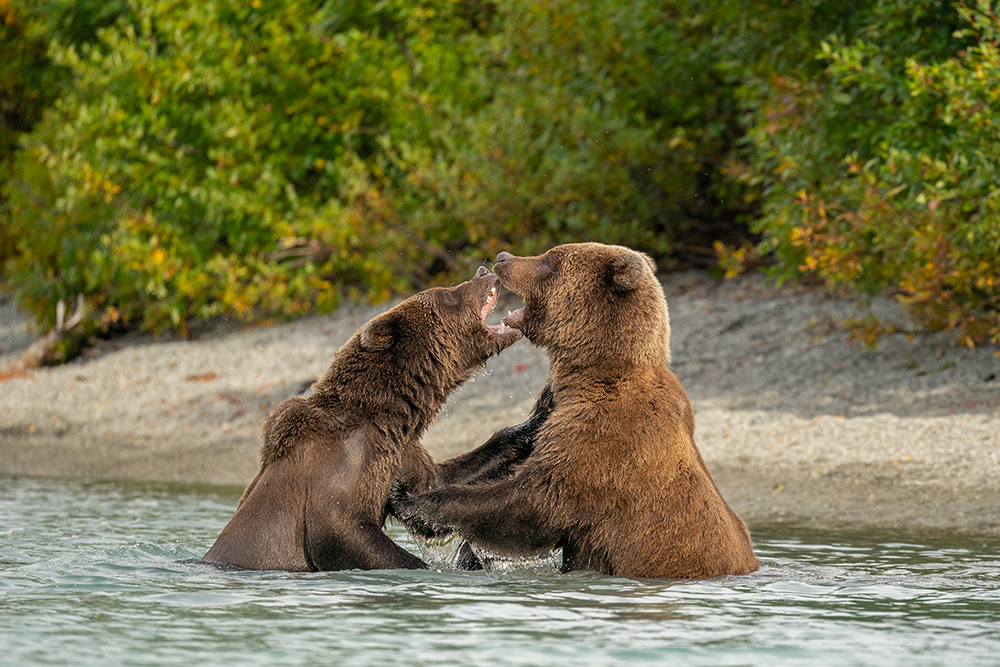
Few wildlife experiences compare to watching Alaska’s iconic brown bears in their natural habitat. Visitors planning a trip to Kenai often ask when they have the best chance of seeing these incredible animals, and the answer depends on what kind of bear viewing experience they want. From salmon-filled rivers to coastal feeding grounds, timing can make all the difference.
Quick Answer
The best time of year to see brown bears near Kenai, Alaska, is generally from late June through early September, with July and August offering the most consistent viewing opportunities. During this period, salmon runs attract bears to rivers and coastal areas, making them easier to observe from a safe distance. Spring also provides opportunities to see bears emerging from hibernation, while early fall offers beautiful scenery and active wildlife before winter arrives.
What Local Readers Should Know
-
Brown bear viewing is at its peak during the summer salmon runs, especially from July through August.
-
Kenai serves as an excellent departure point for bear viewing flights to destinations such as Lake Clark National Park and Katmai National Park.
-
Weather along Cook Inlet can change quickly, so flexible travel plans often provide the best experience.
-
Morning flights frequently offer calmer flying conditions and active wildlife.
-
Wildlife sightings are never guaranteed because bears roam freely in their natural habitat.
Why This Matters Locally
Brown bears are one of Alaska’s most recognizable wildlife species, and the Kenai Peninsula offers convenient access to some of the state’s premier viewing locations. Travelers staying in Kenai can reach remote bear habitats by air without spending days traveling across Alaska.
Many visitors combine bear viewing with fishing, glacier tours, sightseeing, or photography. Because the viewing season is relatively short, planning around seasonal wildlife activity helps maximize the chances of an unforgettable experience.
At Alaska West Air Inc, we help visitors experience the incredible landscapes surrounding Kenai while providing access to remote areas that would otherwise be difficult to reach.
Local Data and Seasonal Wildlife Patterns
According to the National Park Service, coastal brown bears become especially active during the summer salmon runs, when fish provide a high-calorie food source needed to prepare for winter hibernation. Parks such as Katmai National Park and Lake Clark National Park are internationally recognized for their exceptional bear viewing opportunities during this season.
Spring vegetation, spawning salmon, tidal flats, berry patches, and changing food sources all influence where bears spend their time throughout the year.
How Each Season Affects Bear Viewing
Spring (May through June)
Spring offers excellent opportunities to see bears emerging from hibernation.
During this period, bears search for grasses, sedges, shellfish, and other early food sources along coastal meadows and beaches. Mothers with young cubs are often seen during spring because they spend more time feeding in open areas.
Spring also brings fewer visitors, creating a quieter viewing experience.
Summer (Late June through August)
Summer is widely considered the best season for brown bear viewing.
As salmon begin running through rivers and streams, bears gather near fishing locations to feed. This predictable food source allows visitors to observe natural bear behavior from approved viewing areas while maintaining safe distances.
Warm temperatures, long daylight hours, and generally favorable flying conditions also make summer ideal for flightseeing adventures departing from Kenai.
Early Fall (September)
Early fall remains an excellent time for wildlife viewing.
Although some salmon runs begin slowing down, bears continue feeding heavily before returning to their dens. Colorful autumn landscapes throughout the Kenai Peninsula provide outstanding photography opportunities.
Weather becomes more variable, but clear fall days often deliver spectacular mountain views stretching across Cook Inlet.
Local Impact
Brown bear viewing supports tourism throughout the Kenai Peninsula while encouraging responsible wildlife conservation. Visitors who experience bears in their natural environment often gain a greater appreciation for Alaska’s ecosystems.
Local communities including Soldotna, Nikiski, Homer, Seward, and Cooper Landing benefit from visitors who extend their trips to enjoy fishing, hiking, wildlife photography, and scenic flights.
Signs You’re Visiting During Peak Bear Season
If you’re planning your Alaska vacation, these indicators suggest excellent viewing conditions:
-
Salmon are actively running in local rivers.
-
Summer daylight provides extended viewing hours.
-
Coastal meadows remain green and productive.
-
Wildlife viewing tours are operating daily.
-
Weather conditions allow regular scenic flights.
-
Local lodges report active bear sightings.
-
Visitors are booking photography and wildlife excursions well in advance.
When to Book Your Bear Viewing Adventure
The best time to schedule your flight is several months before your planned trip, especially for July and August.
Peak travel season fills quickly throughout Kenai and nearby destinations. Booking early increases your chances of securing your preferred departure date while allowing flexibility if weather adjustments become necessary.
While pilots monitor weather carefully, safety always comes first, and flight schedules may change when conditions require.
Common Reasons Bear Viewing Changes Throughout the Season
Several natural factors influence where bears spend their time.
Salmon Runs
The arrival of salmon is the single biggest factor affecting bear activity. Bears naturally follow food sources throughout the season.
Weather
Rain, fog, wind, and coastal weather systems around Cook Inlet can influence both flying conditions and wildlife movement.
Tides
Coastal bears often feed on tidal flats during low tide, searching for clams and other marine food sources.
Berry Season
Later in summer, berries become another important food source, causing bears to travel between feeding areas.
Tips for a Successful Bear Viewing Trip
A little preparation helps make your trip more enjoyable.
-
Dress in layers for changing weather conditions.
-
Bring binoculars for distant wildlife viewing.
-
Carry a camera with extra batteries.
-
Follow all guide and pilot safety instructions.
-
Keep a respectful distance from wildlife.
-
Avoid strong fragrances that may attract insects.
-
Stay flexible since weather can influence flight schedules.
What to Expect During a Flightseeing Bear Tour
Most visitors can expect spectacular aerial views before arriving at remote bear habitat.
Depending on the destination, you’ll likely see glaciers, mountains, braided rivers, volcanoes, and the coastline surrounding Cook Inlet. Once at the viewing area, experienced guides help visitors observe wildlife safely while minimizing disturbance to the animals.
Because every trip occurs in a natural environment, every experience is unique.
Common Mistakes Visitors Make
Waiting until arrival to book.
Peak summer dates often sell out well in advance.
Assuming wildlife can be guaranteed.
Brown bears are wild animals, and sightings depend on natural behavior.
Packing for warm weather only.
Temperatures near coastal Alaska can change quickly, even during summer.
Ignoring weather flexibility.
Allowing extra days in your itinerary can improve your chances if flights need to be rescheduled.
A Common Kenai Visitor Scenario
A family arrives in Kenai during mid-July hoping to experience Alaska’s famous wildlife. They schedule a morning bear viewing flight, enjoying smooth flying conditions and excellent visibility. Along the way, they see glaciers, mountain ranges, and coastal scenery before watching several brown bears feeding naturally along a salmon stream.
While every trip is different, summer consistently offers some of the most rewarding opportunities for wildlife enthusiasts.
Related Flightseeing Experiences
Visitors interested in bear viewing often enjoy combining their adventure with other scenic experiences, including:
-
Glacier flightseeing
-
Aerial photography tours
-
Wildlife viewing flights
-
Remote Alaska sightseeing
-
Custom scenic air tours
Comparing Your Bear Viewing Options
| Option | Best For | Advantages |
|---|---|---|
| Scenic Flight to Remote Viewing Areas | Visitors wanting maximum wildlife opportunities | Access to remote habitats with incredible scenery |
| Driving the Kenai Peninsula | Independent travelers | Scenic roads and occasional wildlife sightings |
| Guided Wildlife Excursions | First-time visitors | Professional guidance and local knowledge |
Service Areas
We proudly serve travelers departing from Kenai and welcome visitors staying throughout the Kenai Peninsula, including Soldotna, Nikiski, Homer, Seward, Cooper Landing, and surrounding Southcentral Alaska communities.
The Cost of Waiting Too Long
Waiting to reserve a summer bear viewing experience may limit available dates during the busiest travel season. Planning ahead gives you more scheduling flexibility and improves your chances of experiencing Alaska’s incredible wildlife during peak activity.
Frequently Asked Questions
When is the absolute best month to see brown bears near Kenai?
July is generally considered the best month because salmon runs are active, bears feed frequently, and weather conditions often support flightseeing opportunities.
Can I see brown bears from Kenai without flying?
Yes, but opportunities are less predictable. Some wildlife can occasionally be seen on the Kenai Peninsula, while many of Alaska’s premier bear viewing locations require air access.
Are bear viewing flights from Kenai safe?
Yes, when operated by experienced aviation professionals. Flights are planned around weather conditions, aircraft maintenance, and safety procedures.
Is spring a good time for bear viewing near Kenai?
Yes. Spring offers the chance to see bears emerging from hibernation, especially along coastal feeding areas before salmon season begins.
What should I bring on a bear viewing trip?
Dress in layers and bring a camera, binoculars, and comfortable outdoor clothing. Alaska’s weather can change quickly, even during summer.
How long does the bear viewing season last?
The primary season typically runs from late spring through early fall. Peak viewing generally occurs between late June and early September.
Can families enjoy bear viewing tours from Kenai?
Yes. Many families choose scenic wildlife flights as part of their Alaska vacation, though age recommendations may vary depending on the specific tour.
Why do so many visitors choose Kenai for bear viewing?
Kenai offers convenient access to world-famous wildlife destinations. Its location on the Kenai Peninsula makes it an ideal starting point for scenic flights to remote bear habitats.
Experience Alaska’s Wildlife at the Right Time
Planning your visit around the natural rhythms of Alaska’s wildlife can make your trip even more memorable. Whether you’re visiting for photography, sightseeing, or simply hoping to witness brown bears in their natural environment, choosing the right season helps create an unforgettable adventure.
Ready to Explore Alaska from Above?
Experience breathtaking scenery, remarkable wildlife, and unforgettable views with a professionally planned flightseeing adventure.